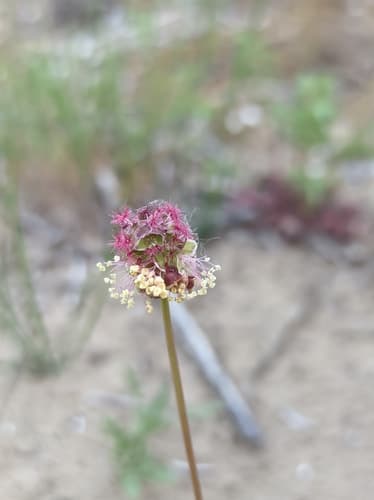
Salad Burnet
NameSalad Burnet
Scientific NameSanguisorba minor
Common NamesSalad Burnet, Garden Burnet, Small Burnet
Plant FamilyRosaceae
Natural HabitatNative to Europe, North Africa, and Western Asia, Salad Burnet thrives in dry grasslands, meadows, chalky soils, and disturbed areas. It is often found in sunny, well-drained locations.
Parts Usedleaf,root
Medicinal Actionsastringent, anti-inflammatory, antioxidant
Traditional UsesTraditionally, Salad Burnet leaves and roots have been used for their astringent properties to stop bleeding, both internally (e.g., nosebleeds, internal hemorrhages) and externally (e.g., wounds). It was also employed to treat diarrhea, dysentery, and as a gargle for sore throats. The fresh leaves are also a popular culinary herb, adding a cucumber-like flavor to salads.
Active Constituentstannins, flavonoids, triterpenes, saponins
Preparation Methodsinfusion, decoction, poultice, powder
Contraindications & WarningsGenerally considered safe when consumed in culinary amounts. Large medicinal doses may cause mild stomach upset. Pregnant or nursing women, and individuals with known allergies to the Rosaceae family, should consult a healthcare professional before using medicinally.
Cultivation NotesSalad Burnet is easy to grow, preferring full sun to partial shade and well-drained soil. It is drought-tolerant once established and can be propagated by seed or division. Regular harvesting of leaves encourages new growth.
Raritycommon
Description
Salad Burnet is a hardy perennial herb characterized by its rosette of pinnate leaves with serrated leaflets and distinctive globular flower heads, typically reddish-purple at the top and greenish-white at the base. The flowers are small and densely packed, appearing on slender stems.