Runyon's Dodder
NameRunyon's Dodder
Scientific NameCuscuta runyonii
Common NamesRunyon's Dodder, Dodder
Plant FamilyConvolvulaceae
Natural HabitatThis species is typically found in arid and semi-arid regions, often parasitizing various herbaceous plants in grasslands, disturbed areas, and desert scrub. It requires a host plant for survival.
Parts Usedwhole_plant,seed
Medicinal Actionsantioxidant, anti-inflammatory, adaptogen
Traditional UsesIn traditional medicine, particularly Traditional Chinese Medicine (TCM) where other *Cuscuta* species (like *Cuscuta chinensis* or *Cuscuta japonica*) are known as "Tu Si Zi," the seeds are used as a kidney and liver tonic. They are traditionally employed to support vision, strengthen bones, and address issues related to kidney deficiency.
Active Constituentsflavonoids, lignans, polysaccharides, coumarins
Preparation Methodsinfusion, decoction, powder
Contraindications & WarningsGenerally, dodder species are not recommended for use during pregnancy or for individuals with conditions characterized by excess heat or qi deficiency without dampness. Consultation with a healthcare professional is advised due to its potent nature.
Cultivation NotesAs a parasitic plant, *Cuscuta runyonii* cannot be cultivated independently. It requires a suitable host plant to germinate and grow, making traditional cultivation methods inapplicable. It is often considered an agricultural weed.
Rarityuncommon
Description
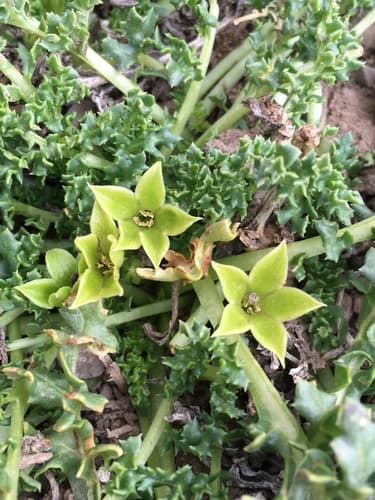
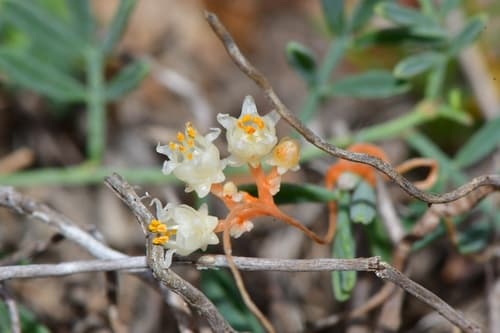
Runyon's Dodder is a parasitic annual plant characterized by its slender, leafless, orange-yellow stems that twine around host plants. It produces small, pale, clustered flowers with prominent yellow stamens, as seen in the image.