Rosemary
NameRosemary
Scientific NameSalvia rosmarinus
Common NamesRosemary, Garden Rosemary
Plant FamilyLamiaceae
Natural HabitatNative to the Mediterranean basin, rosemary thrives in dry, rocky, and sunny coastal areas. It prefers well-drained, sandy or loamy soils and is drought-tolerant once established.
Parts Usedleaf,flower
Medicinal Actionsantioxidant, anti-inflammatory, antimicrobial, carminative, nervine
Traditional UsesTraditionally, rosemary has been used to improve memory and concentration, stimulate circulation, and relieve digestive issues like indigestion and flatulence. It is also applied topically for muscle pain, arthritis, and to stimulate hair growth.
Active ConstituentsRosmarinic acid, Carnosic acid, Camphor, 1,8-cineole, Alpha-pinene
Preparation Methodsinfusion, decoction, tincture, essential oil, powder, salve
Contraindications & WarningsHigh doses of rosemary, especially the essential oil, should be avoided during pregnancy and by individuals with epilepsy or high blood pressure. It may also interact with anticoagulant medications.
Cultivation NotesRosemary prefers full sun exposure and well-drained soil, tolerating poor soil conditions. It is drought-tolerant and thrives in warm, Mediterranean-like climates, but can be grown in containers and brought indoors in colder regions.
Raritycommon
Description
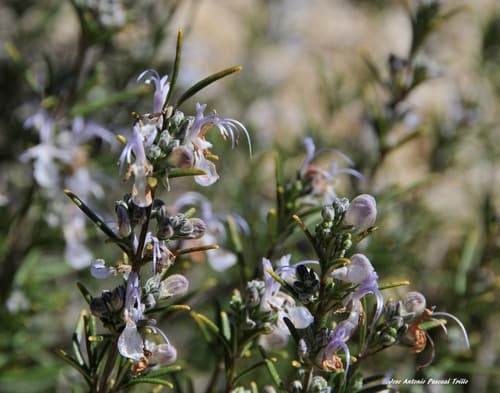
Rosemary is an aromatic, evergreen shrub with needle-like leaves and small, pale blue to purple flowers, typically blooming in late winter to early spring. It is native to the Mediterranean region and is widely cultivated for its culinary and medicinal properties.