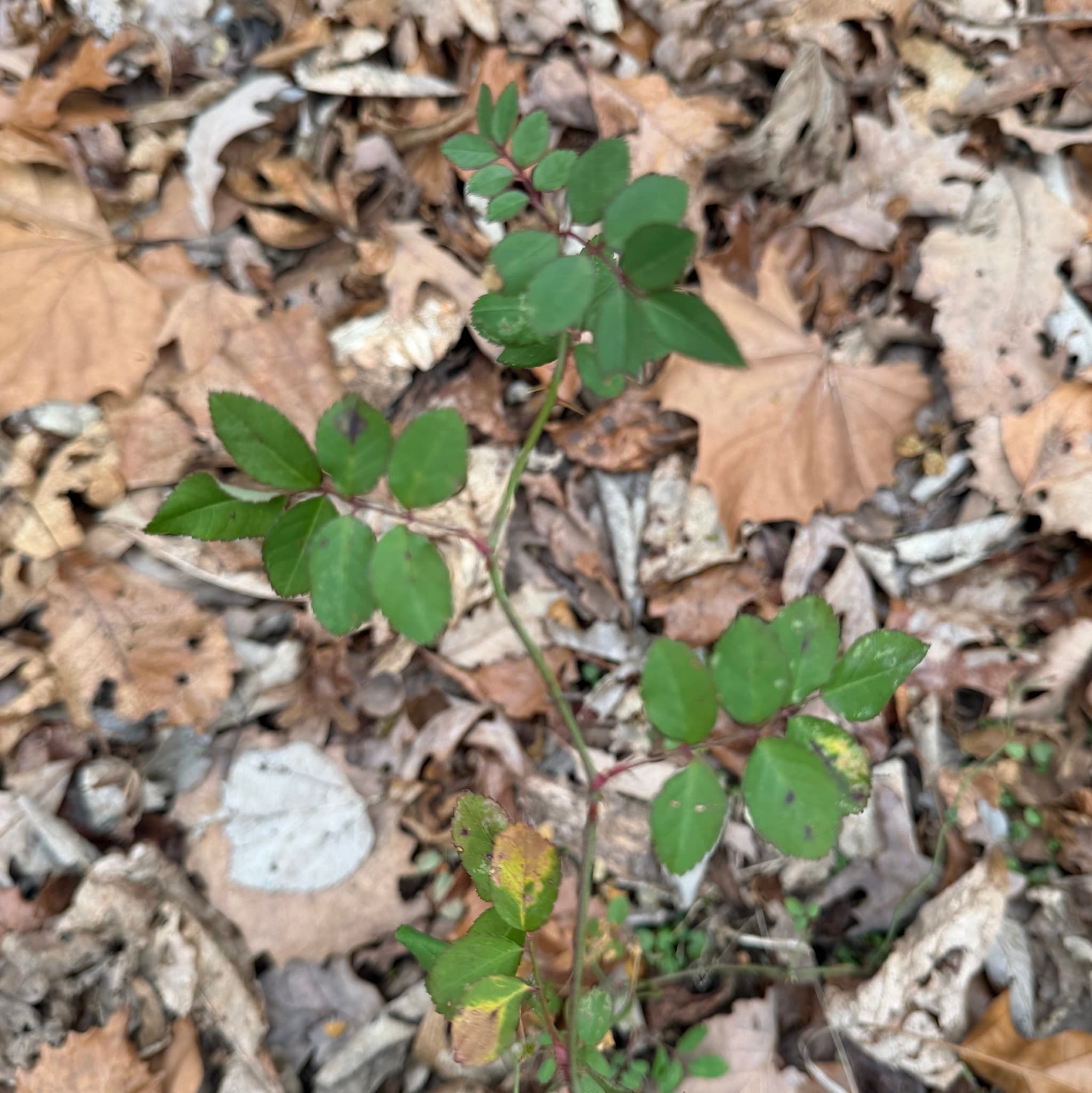
Rose Hips
Image: Conway Hawn (cc-by)
NameRose Hips
Scientific NameRosa multiflora
Common NamesRose Hips, Multiflora Rose, Japanese Rose, Rambler Rose
Plant FamilyRosaceae
Natural HabitatNative to eastern Asia, Rosa multiflora is widely naturalized and often considered invasive in North America and Europe. It thrives in disturbed areas such as roadsides, forest edges, fields, and pastures, preferring full sun to partial shade and well-drained soil.
Parts Usedfruit,flower,leaf
Medicinal Actionsantioxidant, anti-inflammatory, diuretic
Traditional UsesRose hips are traditionally used to boost the immune system, prevent and treat colds and flu, and as a general tonic. They are also employed for their anti-inflammatory properties to alleviate joint pain associated with conditions like arthritis, and to support urinary tract health. Topically, rose hip oil is used for skin regeneration and healing.
Active ConstituentsVitamin C (ascorbic acid), carotenoids (beta-carotene, lycopene), flavonoids, polyphenols, galactolipids, pectin
Preparation Methodsinfusion, decoction, tincture, powder, essential oil
Contraindications & WarningsGenerally considered safe, but high doses may cause mild digestive upset. Due to its Vitamin K content, it may potentially interact with anticoagulant medications. The diuretic effect could also interact with lithium.
Cultivation NotesRosa multiflora is a hardy and adaptable plant that prefers full sun to partial shade and well-drained soil. It is known for its vigorous growth and can be invasive in some regions, so careful management is required if planted. It propagates easily from seeds or cuttings.
Raritycommon
Description
Rosa multiflora is a vigorous, thorny, perennial shrub native to eastern Asia, known for its abundant clusters of small white flowers. These flowers mature into small, red to orange-red fruits called rose hips, which are highly valued for their nutritional and medicinal properties. The image displays a young shoot with characteristic pinnate leaves.