Rooibos
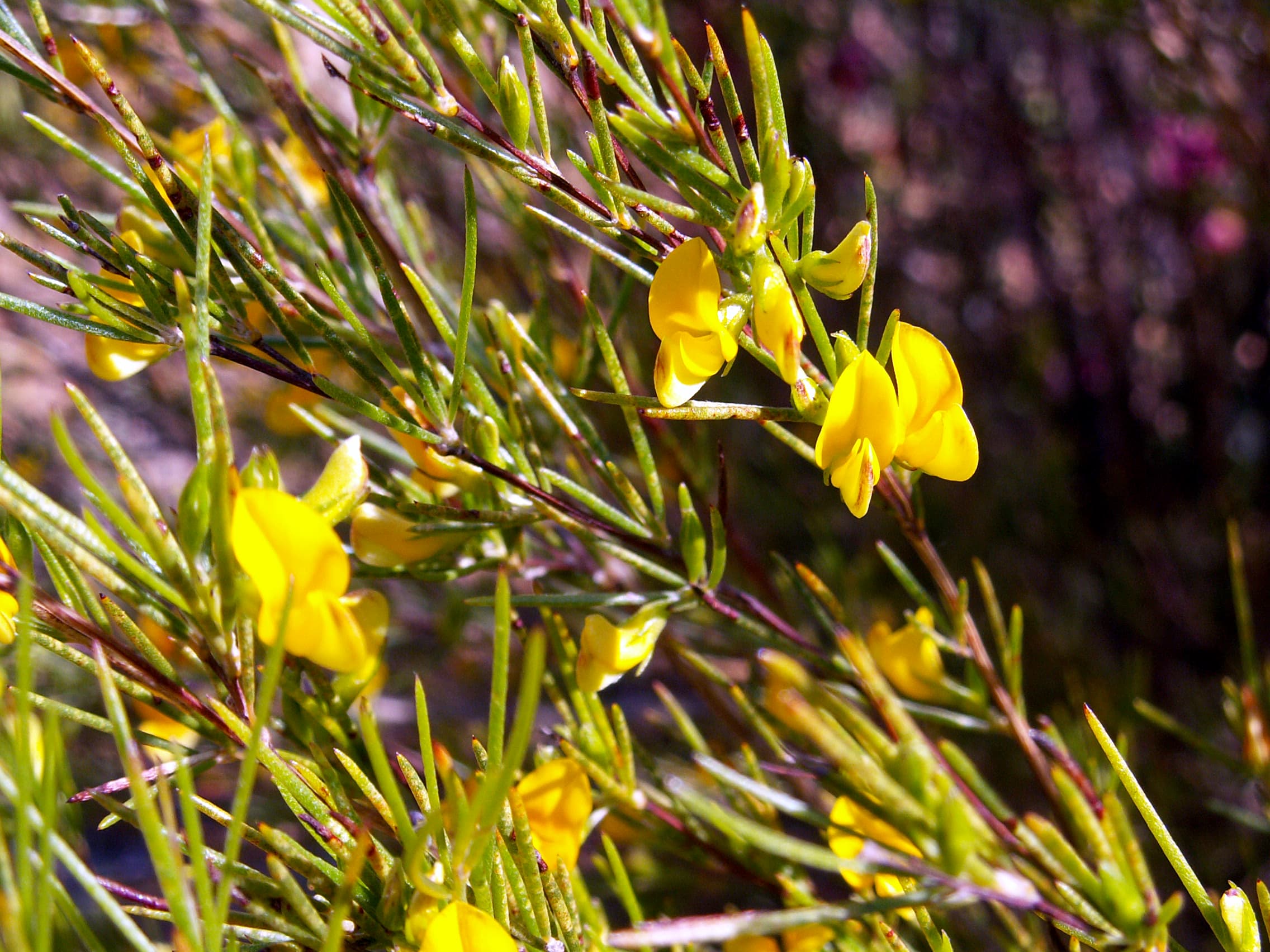
Image: Winfried Bruenken (Amrum) (CC BY-SA 2.5)
NameRooibos
Scientific NameAspalathus linearis
Common NamesRooibos, Red Bush, African Red Tea
Plant FamilyFabaceae
Natural HabitatEndemic to the Cederberg region of the Western Cape province of South Africa, it thrives in mountainous fynbos shrubland environments with well-drained, acidic, sandy soils.
Parts Usedleaf
Medicinal Actionsantioxidant, anti-inflammatory
Traditional UsesTraditionally used by indigenous Khoisan people as a medicinal beverage for various ailments, Rooibos is now globally consumed as a caffeine-free tea. It is valued for its high antioxidant content, potential to soothe digestive issues, support skin health, and is often given to infants for colic.
Active ConstituentsAspalathin, Nothofagin, Quercetin, Luteolin, Orientin, Vitexin, Polyphenols, Flavonoids
Preparation Methodsinfusion, powder
Contraindications & WarningsRooibos is generally considered safe for consumption with no known significant contraindications or drug interactions at typical intake levels. Very high consumption might theoretically influence liver enzymes or estrogen levels, but this is not well-established for normal tea drinking.
Cultivation NotesRooibos requires specific climatic conditions, including hot, dry summers and wet winters, and prefers well-drained, acidic, sandy soils. It is primarily propagated by seed and is challenging to cultivate successfully outside its native region.
Raritycommon
Description
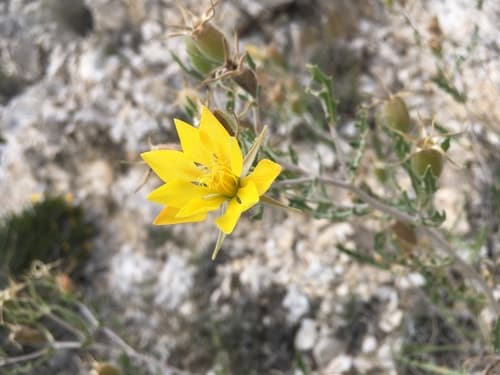
Rooibos is a shrubby plant native to South Africa, characterized by its fine, needle-like leaves and small, bright yellow, pea-like flowers. It typically grows up to 1.5 meters tall and is widely cultivated for its distinctive reddish-brown infusion.