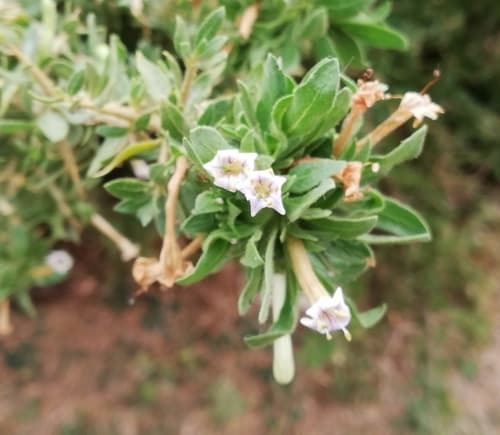
River Honeythorn
NameRiver Honeythorn
Scientific NameLycium barbarum
Common NamesGoji Berry, Wolfberry, Matrimony Vine, Duke of Argyll's Tea Tree, River Honeythorn
Plant FamilySolanaceae
Natural HabitatNative to Asia, particularly China, it thrives in temperate and subtropical regions, often found in riverbanks, disturbed areas, and cultivated fields. It prefers well-drained soil and full sun.
Parts Usedfruit,leaf,root
Medicinal Actionsantioxidant, adaptogen, anti-inflammatory, antimicrobial
Traditional UsesTraditionally used in Chinese medicine to nourish the liver and kidneys, improve eyesight, boost immunity, and enhance longevity. The berries are consumed fresh, dried, or as juice, while leaves and root bark (often referred to as root) are also used in various preparations.
Active ConstituentsPolysaccharides (Lycium barbarum polysaccharides - LBP), Carotenoids (zeaxanthin, beta-carotene), Betaine, Flavonoids, Vitamins (C, A), Minerals
Preparation Methodsinfusion, decoction, powder, tincture
Contraindications & WarningsMay interact with anticoagulant medications (e.g., warfarin) due to potential blood-thinning effects. Caution advised for individuals with pollen allergies or those with low blood pressure.
Cultivation NotesPrefers full sun and well-drained soil. Drought-tolerant once established. Can be grown from seed or cuttings. Requires pruning to maintain shape and encourage fruit production.
Raritycommon
Description
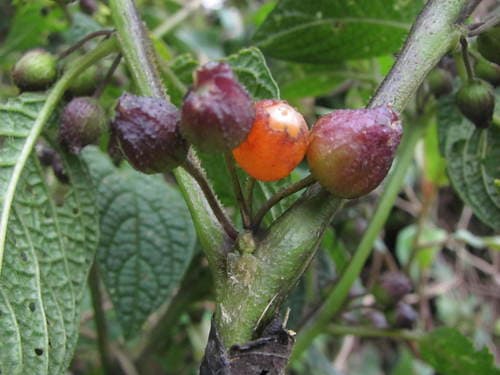
A deciduous woody shrub growing 1-3 meters tall, featuring small, ovate to lanceolate leaves and delicate, pale purple to white tubular flowers. It produces bright red-orange berries, which are highly prized for their nutritional and medicinal properties.