Purple Morning Glory
NamePurple Morning Glory
Scientific NameBarleria cristata
Common NamesPurple Morning Glory, Philippine Violet, Crested Philippine Violet, Bush Violet
Plant FamilyAcanthaceae
Natural HabitatNative to tropical Asia, particularly India, Myanmar, and Thailand, it thrives in open woodlands, forest edges, and disturbed areas. It prefers warm, humid climates and well-drained soils, and has naturalized in many tropical and subtropical regions worldwide.
Parts Usedleaf,root,whole_plant
Medicinal Actionsanalgesic, anti-inflammatory, antimicrobial, antioxidant, diuretic
Traditional UsesIn traditional medicine, the leaves are often applied topically as a poultice for swelling, wounds, and skin infections. A decoction of the leaves or roots is taken internally for fever, coughs, respiratory issues, urinary tract infections, and as an anti-inflammatory for joint pain and rheumatism.
Active ConstituentsFlavonoids, Iridoid glycosides, Phenylethanoid glycosides, Triterpenoids, Steroids, Lignans
Preparation Methodsinfusion, decoction, poultice, powder
Contraindications & WarningsLimited information is available on specific contraindications. Pregnant and breastfeeding women should exercise caution. Potential for allergic reactions may exist, and large doses could potentially cause gastrointestinal upset.
Cultivation NotesThis plant is relatively easy to grow in tropical and subtropical climates, preferring full sun to partial shade and well-drained soil. It is drought-tolerant once established but benefits from regular watering. It can be propagated by seeds or cuttings and is often grown as an ornamental shrub.
Raritycommon
Description
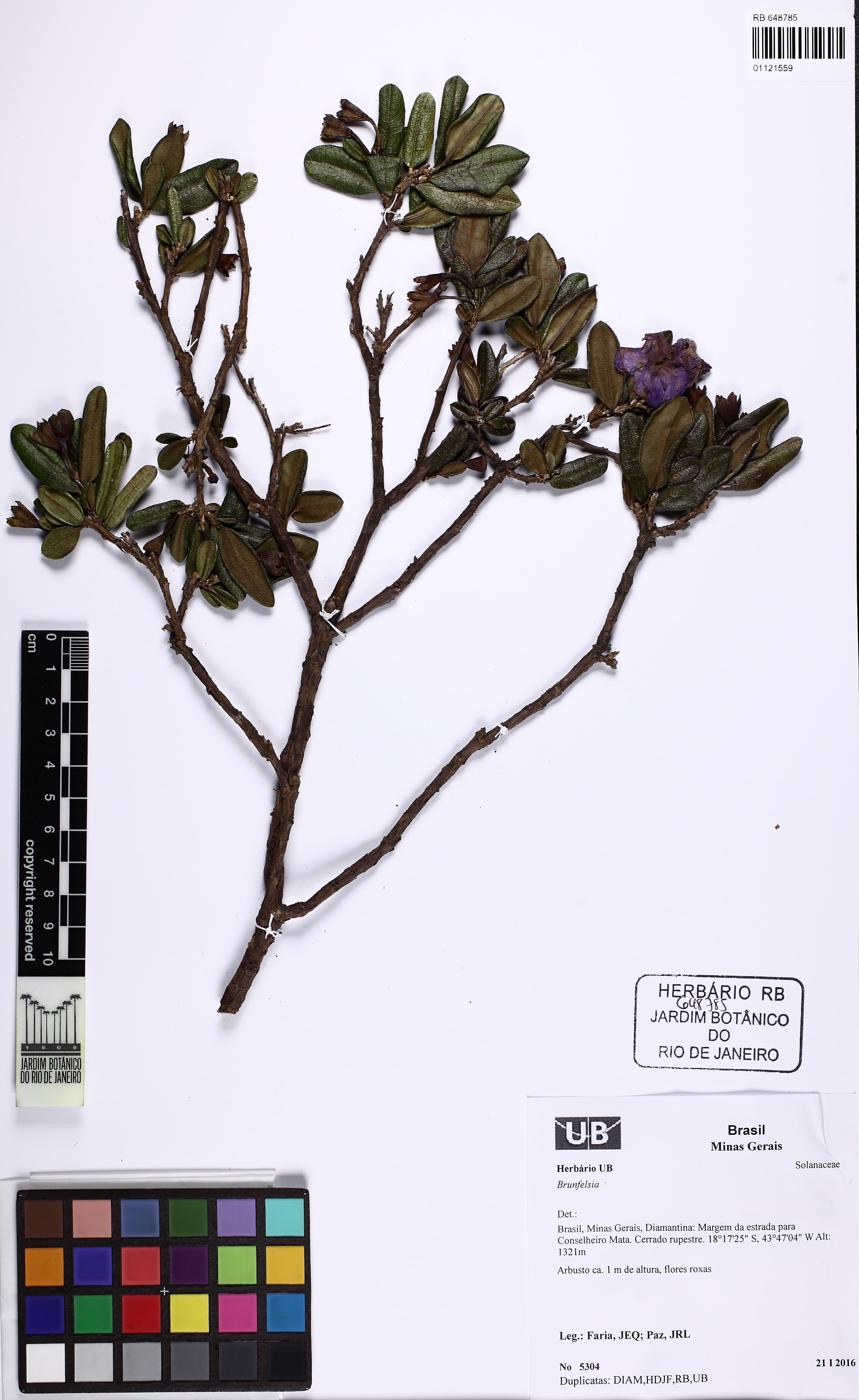
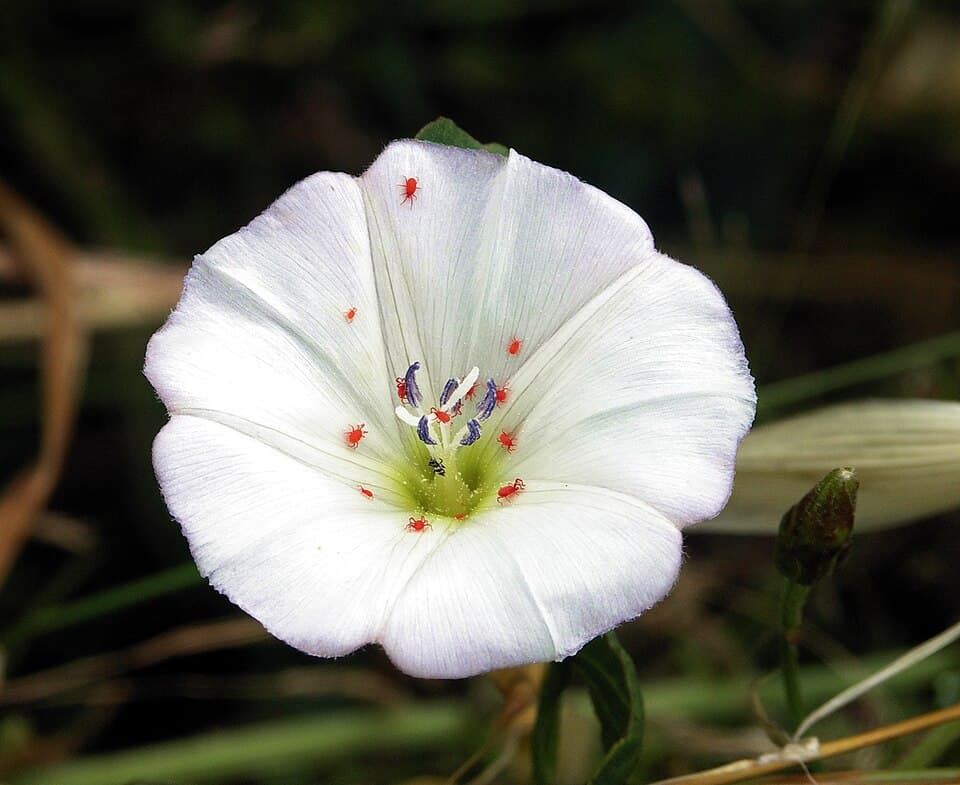
Purple Morning Glory is a bushy, evergreen shrub growing up to 1-2 meters tall, characterized by its opposite, ovate to elliptic, dark green leaves. It produces showy, trumpet-shaped flowers, typically purple, blue, or white, often with a white throat, blooming profusely in autumn and winter.