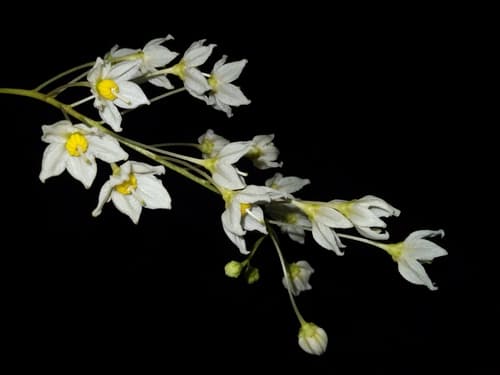
Pupunharana
NamePupunharana
Scientific NamePouteria macrophylla
Common NamesPupunharana, Cutite, Abiurana
Plant FamilySapotaceae
Natural HabitatNative to the Amazon basin, thriving in humid tropical and subtropical forests. It prefers well-drained, fertile soils found in its natural rainforest environment.
Parts Usedfruit
Medicinal Actionsantioxidant, anti-inflammatory
Traditional UsesThe fruit is traditionally consumed fresh for its nutritional value and sweet taste, serving as an important food source in indigenous Amazonian communities. While specific strong medicinal claims for Pouteria macrophylla are not widely documented, related species in the Sapotaceae family are sometimes used in traditional medicine for their general health-promoting properties, including antioxidant and anti-inflammatory effects.
Active ConstituentsVitamins (e.g., Vitamin C, B vitamins), Minerals (e.g., potassium, calcium), Carbohydrates, Dietary fiber, Phenolic compounds
Preparation Methodspowder
Contraindications & WarningsGenerally considered safe for consumption as a food. No specific contraindications or significant drug interactions are widely reported for the fruit.
Cultivation NotesPrefers tropical climates with high humidity and abundant rainfall. Requires well-drained, fertile soil and can be propagated from seeds. It is a slow-growing tree that benefits from full sun exposure.
Rarityuncommon
Description
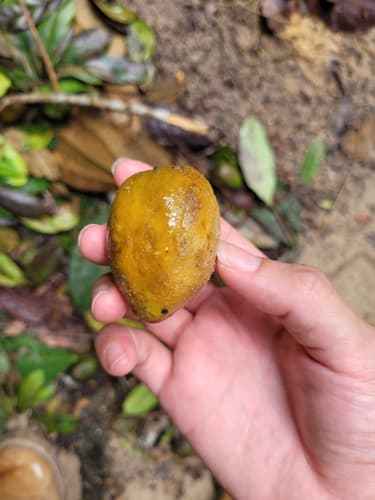
Pouteria macrophylla is a medium-sized tree native to the Amazon rainforest, known for its edible, ovoid fruits. The fruit typically has a yellowish-brown skin and a sweet, creamy pulp, often consumed fresh.