Puerto Rican raintree
NamePuerto Rican raintree
Scientific NameBrunfelsia portoricensis
Common NamesPuerto Rican Raintree, Palo de San Juan
Plant FamilySolanaceae
Natural HabitatEndemic to the limestone forests and moist mountainous regions of Puerto Rico, often found in shaded, humid understory environments.
Parts Usedroot,bark,leaf
Medicinal Actionsanalgesic, anti-inflammatory
Traditional UsesHistorically, indigenous peoples used very small, carefully controlled doses of this plant as a potent purgative and emetic. It was also traditionally employed to treat fevers, rheumatism, and syphilis, though its use is highly restricted due to significant toxicity.
Active ConstituentsScopolamine, Atropine, Brunfelsamidine, Brunfelsine
Preparation Methodsdecoction, powder
Contraindications & WarningsHighly toxic; not for internal use without expert supervision. Ingestion can cause severe gastrointestinal distress, neurological symptoms (including hallucinations and delirium), paralysis, and can be fatal. Contraindicated in pregnancy, lactation, children, and individuals with heart or neurological conditions. Interacts with anticholinergic drugs.
Cultivation NotesPrefers moist, well-drained, acidic to neutral soil and partial shade. Thrives in tropical or subtropical climates with high humidity. Can be propagated from seed or cuttings.
Rarityrare
Description
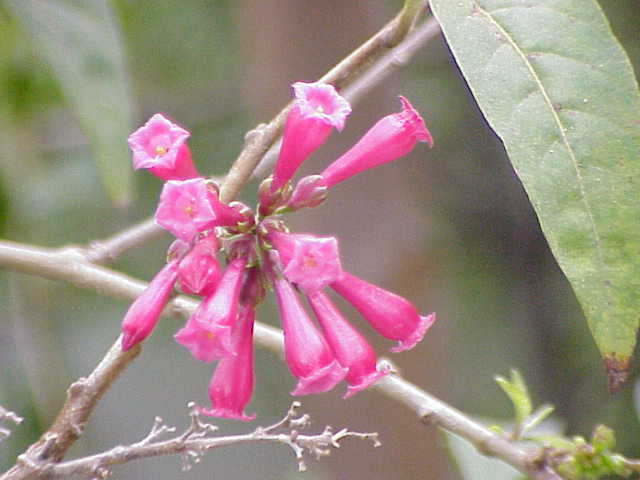
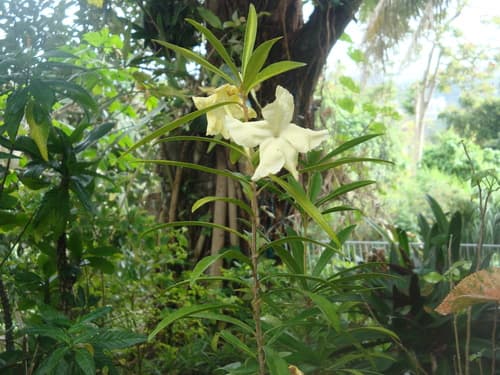
A small tree or shrub endemic to Puerto Rico, characterized by its elliptic to obovate leaves. It produces fragrant, trumpet-shaped flowers that typically open purple and gradually fade to white over several days.