Pink Bindweed
NamePink Bindweed
Scientific NameConvolvulus arvensis
Common NamesPink Bindweed, Field Bindweed, Creeping Jenny, Morning Glory (wild)
Plant FamilyConvolvulaceae
Natural HabitatNative to Europe and Asia, this plant has become naturalized globally and is considered a noxious weed in many regions. It thrives in disturbed soils, agricultural fields, gardens, roadsides, and waste areas, often forming dense, invasive mats.
Parts Usedroot,leaf
Medicinal Actionsastringent, diuretic
Traditional UsesTraditionally, the root and sometimes the whole plant have been used as a strong purgative and laxative to treat severe constipation. Externally, the plant has been applied as a poultice for wounds, skin irritations, and insect bites, leveraging its astringent properties.
Active ConstituentsResin glycosides (e.g., convolvulin), tannins, alkaloids (e.g., pseudotropine), flavonoids
Preparation Methodsinfusion, decoction, poultice
Contraindications & WarningsDue to its potent purgative action, Pink Bindweed can cause severe gastrointestinal upset, cramping, and diarrhea. It is contraindicated in pregnancy, breastfeeding, and individuals with intestinal obstruction, inflammatory bowel conditions, or other digestive disorders. It can be toxic in large doses.
Cultivation NotesConsidered a highly invasive and noxious weed, Pink Bindweed is extremely difficult to eradicate once established due to its deep, extensive root system. It prefers full sun and can tolerate a wide range of soil types, making it a persistent problem in agricultural and garden settings.
Raritycommon
Description
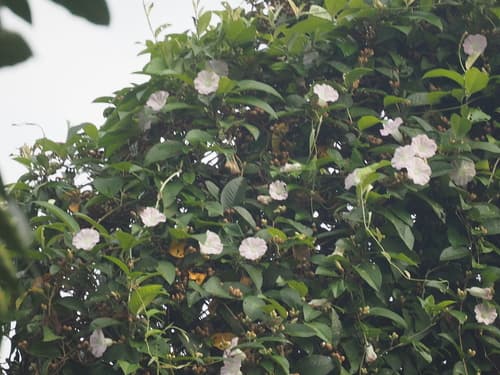
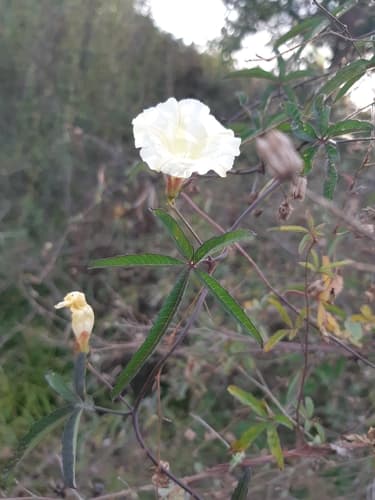
Convolvulus arvensis is a perennial herbaceous vine characterized by its delicate, trumpet-shaped flowers, which are typically white or pink, often with darker radiating stripes. It features arrow-shaped leaves and a distinctive creeping, twining growth habit, allowing it to spread extensively.