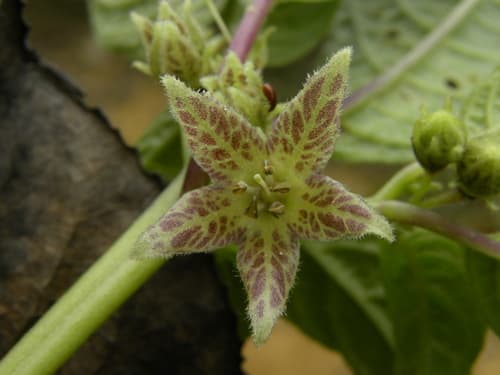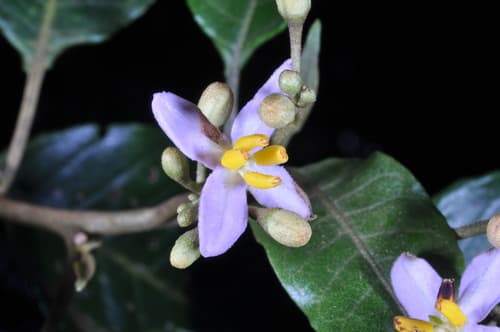
Cestrum sessiliflorum
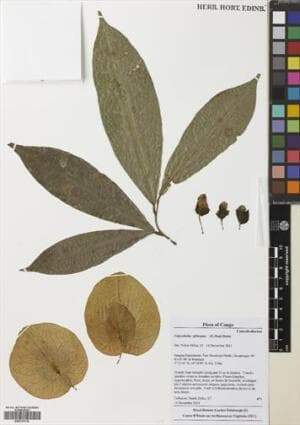
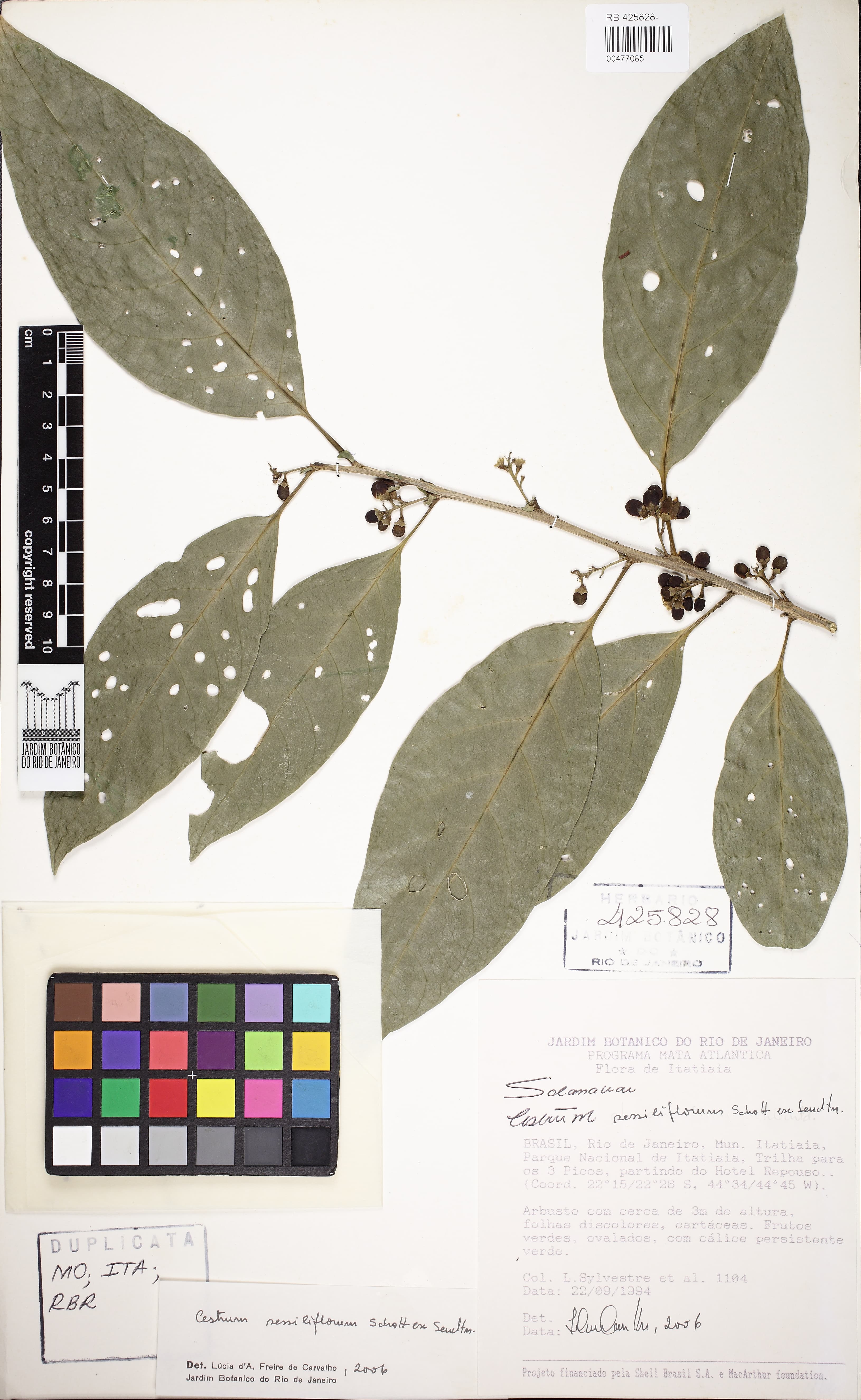
Image: L. Sylvestre; et al (cc-by)
NameCestrum sessiliflorum
Scientific NameCestrum sessiliflorum Schott ex Sendtn.
Plant FamilySolanaceae
Natural HabitatNative to Brazil, specifically found in the Atlantic Forest biome of Rio de Janeiro state, including areas like Itatiaia National Park. It thrives in subtropical to tropical conditions, likely in montane or submontane forest environments.
Parts Used
Traditional UsesThere is no widely documented traditional medicinal use for Cestrum sessiliflorum. The genus Cestrum is known to contain toxic compounds, and many species are not used medicinally or are used with extreme caution.
Contraindications & WarningsAs with many species in the genus Cestrum, Cestrum sessiliflorum is likely to contain toxic steroidal saponins and alkaloids. Ingestion of any part of the plant should be avoided due to potential for gastrointestinal upset, neurological symptoms, and other adverse effects. Specific toxicity data for this species is limited, but caution is advised.
Cultivation NotesSpecific cultivation notes for Cestrum sessiliflorum are not widely available. However, as a native of the Atlantic Forest, it would likely prefer well-drained soil, a humid environment, and protection from frost. It may tolerate full sun to partial shade.
Rarityuncommon
Description
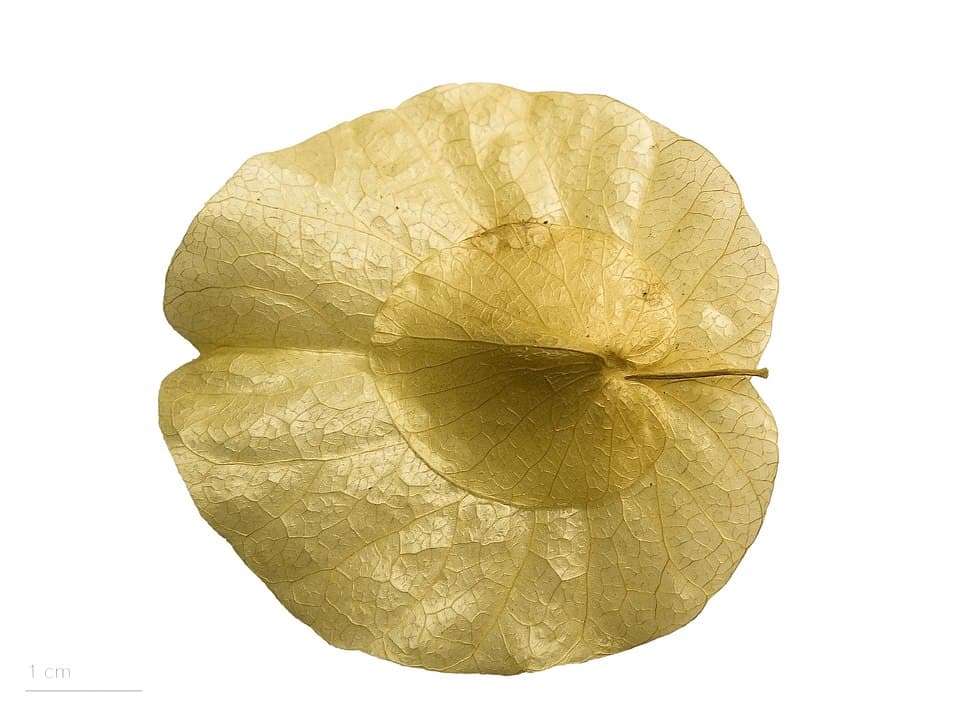
This plant is a shrub, typically growing to about 3 meters in height. It features discolorous, papery leaves and produces oval-shaped fruits with a persistent calyx, as observed on the herbarium specimen.