Physochlaina orientalis
NamePhysochlaina orientalis
Scientific NamePhysochlaina orientalis
Common NamesOriental Physochlaina, Eastern Physochlaina
Plant FamilySolanaceae
Natural HabitatNative to Central Asia, including regions like Kazakhstan, Kyrgyzstan, and parts of China, growing in rocky slopes, steppes, and dry, open areas.
Parts Usedwhole_plant,root,leaf
Medicinal Actionsanalgesic, sedative, nervine
Traditional UsesTraditionally used in Central Asian folk medicine for its potent analgesic and sedative properties to relieve pain, spasms, and as a hypnotic. It has been employed for conditions like toothache, rheumatism, and insomnia, always with extreme caution due to its toxicity.
Active Constituentshyoscyamine, scopolamine, atropine
Preparation Methodsinfusion, decoction, tincture, poultice, powder
Contraindications & WarningsAll parts of the plant are highly toxic and poisonous. Contraindicated in pregnancy, lactation, glaucoma, prostatic hypertrophy, cardiac conditions, and children. Avoid use with other anticholinergic drugs or sedatives. Use only under strict expert supervision due to extreme danger.
Cultivation NotesPrefers dry, well-drained soil and full sun to partial shade. It is drought tolerant once established. Propagation is typically by seed or root division. Cultivation is primarily for botanical study, not for self-medication due to its extreme toxicity.
Rarityuncommon
Description
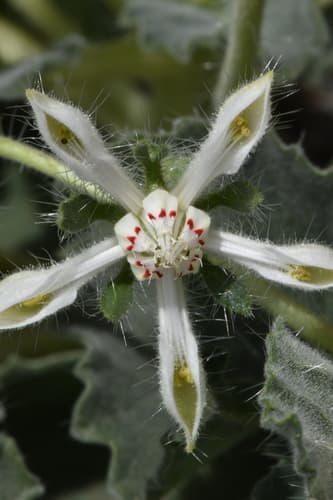
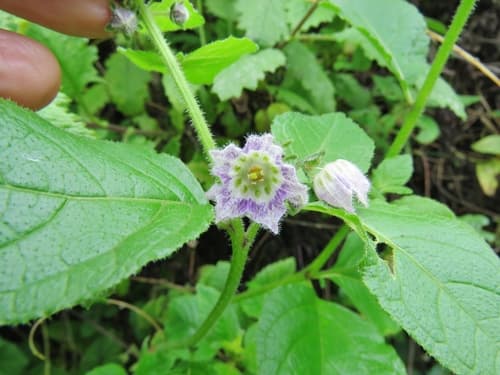
Physochlaina orientalis is a perennial herbaceous plant characterized by its broad, ovate to oblong leaves, often with wavy or toothed margins. It produces clusters of bell-shaped, pale purplish-pink flowers, typically blooming in early spring.