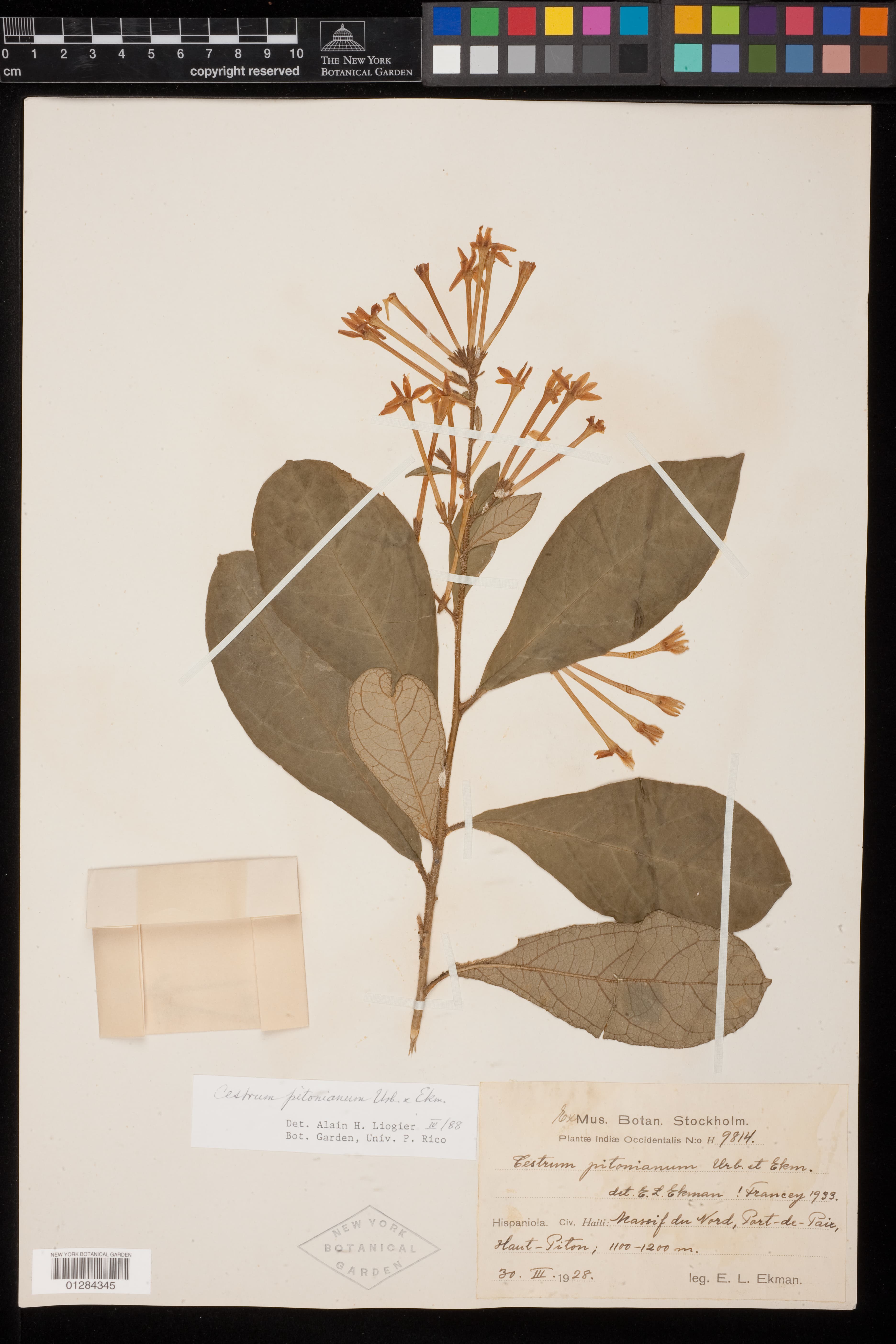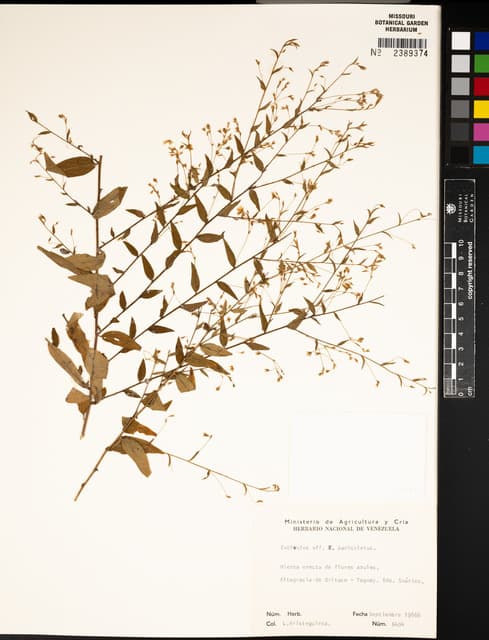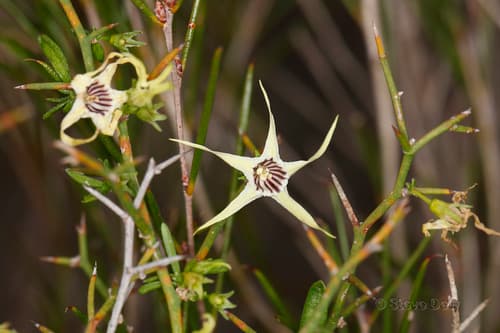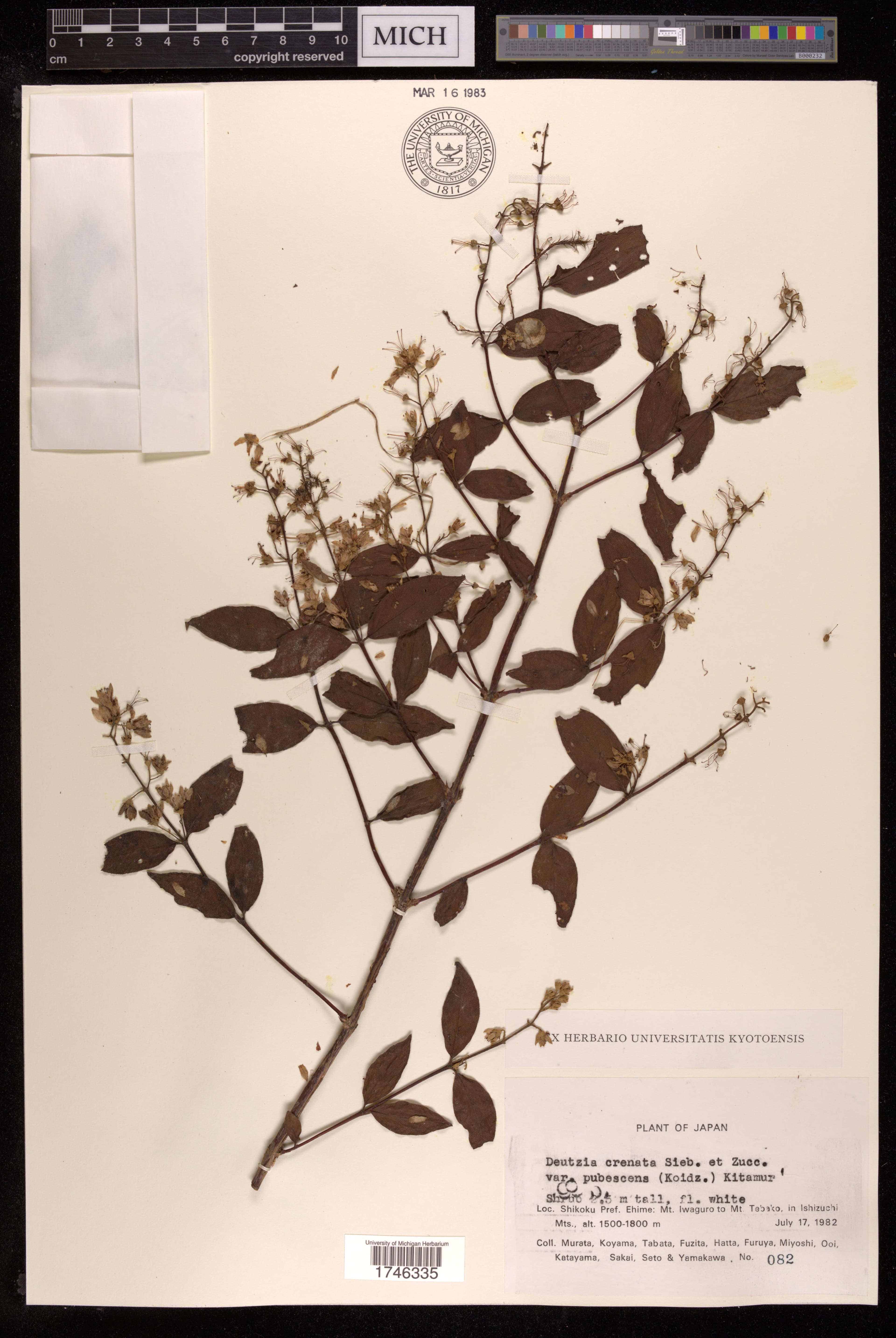
Physochlaina macrocalyx
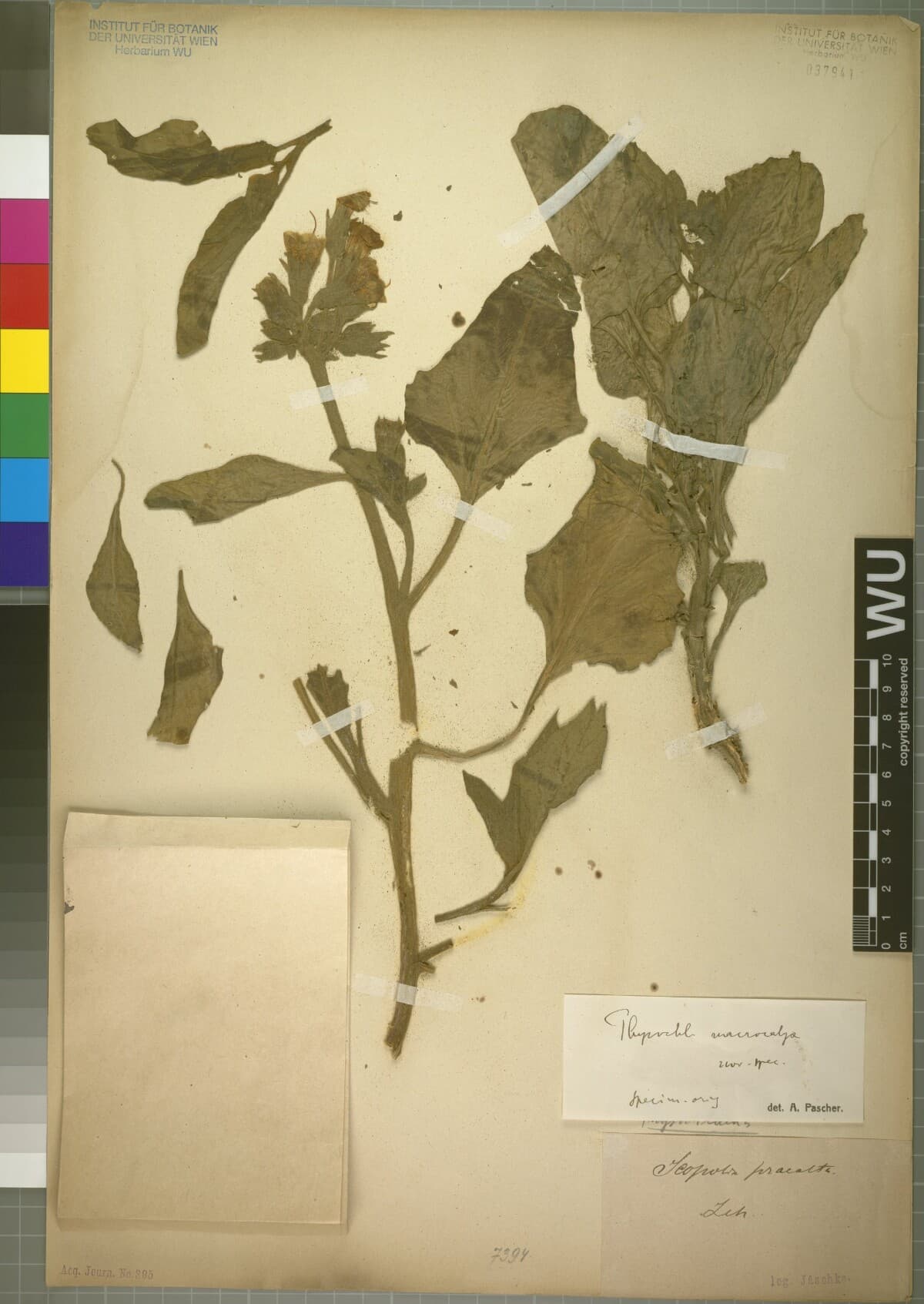
Image: Jäschke,H.A. s.n. [s.d.] (cc-by)
NamePhysochlaina macrocalyx
Scientific NamePhysochlaina macrocalyx
Common NamesPhysochlaina, Himalayan Belladonna
Plant FamilySolanaceae
Natural HabitatTypically found in arid to semi-arid regions, often on rocky slopes, dry riverbeds, and disturbed grounds in Central Asia and the Himalayas.
Parts Usedleaf,flower,root,whole_plant
Medicinal Actionsanalgesic, sedative, antimicrobial, anti-inflammatory
Traditional UsesTraditionally used in folk medicine for its potent analgesic and sedative properties, often to relieve pain, spasms, and as a narcotic. Due to its high toxicity, it is used with extreme caution, often externally or in highly controlled, minute doses for conditions like asthma or inflammatory pain.
Active ConstituentsHyoscyamine, Scopolamine, Atropine
Preparation Methodstincture, powder, poultice
Contraindications & WarningsHighly toxic due to tropane alkaloids; not for self-medication. Contraindicated in glaucoma, prostatic hypertrophy, heart conditions, pregnancy, lactation, and in children. May interact with other anticholinergic medications.
Cultivation NotesPrefers full sun and well-drained, dry to semi-dry soil. It is drought-tolerant and typically propagated from seeds.
Rarityuncommon
Description
Physochlaina macrocalyx is a perennial herbaceous plant characterized by its broad, often ovate leaves and terminal clusters of bell-shaped flowers. It is notable for its prominent calyx, as indicated by its species name, and contains potent tropane alkaloids.