Physalis longiloba
NamePhysalis longiloba
Scientific NamePhysalis longiloba
Common NamesLongleaf Groundcherry, Prairie Groundcherry
Plant FamilySolanaceae
Natural HabitatNative to North America, it thrives in prairies, open woodlands, disturbed areas, roadsides, and fields, preferring full sun to partial shade and well-drained soils.
Parts Usedfruit,leaf
Medicinal Actionsantioxidant, anti-inflammatory, diuretic
Traditional UsesTraditionally, the ripe fruits of Physalis species, including P. longiloba, have been consumed for their nutritional value and mild diuretic properties, often used to support urinary health. Some indigenous groups have also utilized the plant for general wellness, though specific medicinal applications for P. longiloba are less documented than for other Physalis species. Leaves may be used externally in poultices.
Active ConstituentsPhysalins, Carotenoids, Flavonoids, Vitamin C
Preparation Methodsinfusion, powder, poultice
Contraindications & WarningsUnripe fruits of Physalis species contain solanine-like alkaloids and are considered toxic; only ripe fruits should be consumed. Caution is advised for pregnant or nursing women, children, and individuals with allergies to the Solanaceae family. Overconsumption may lead to digestive upset.
Cultivation NotesThis plant is generally easy to cultivate from seed, preferring full sun to partial shade and well-drained soil. It is relatively drought-tolerant once established and can self-seed readily, sometimes becoming weedy.
Raritycommon
Description
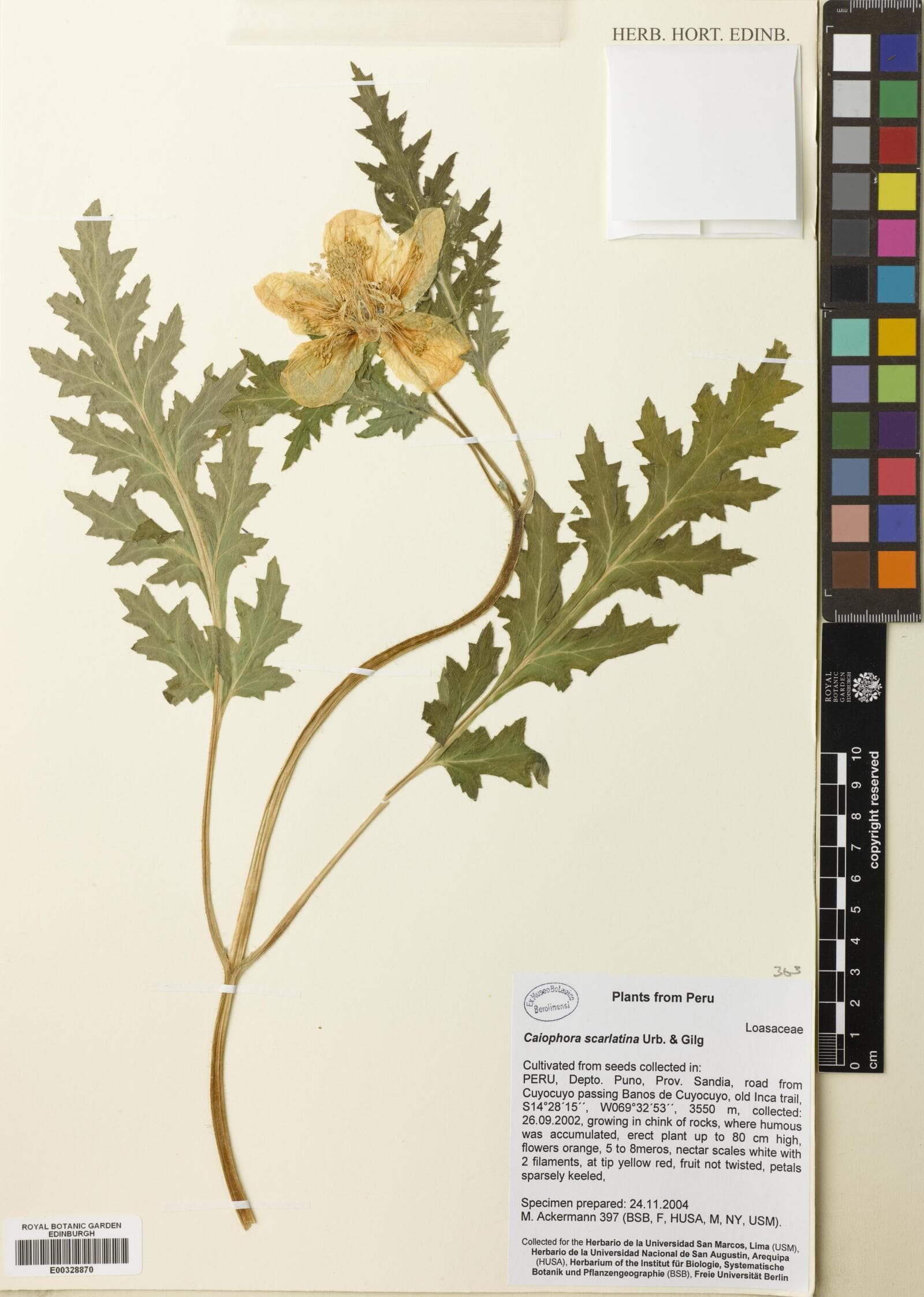
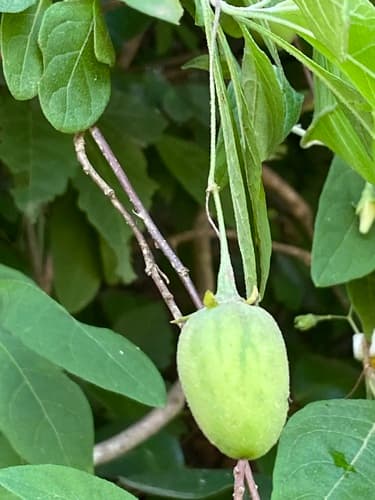
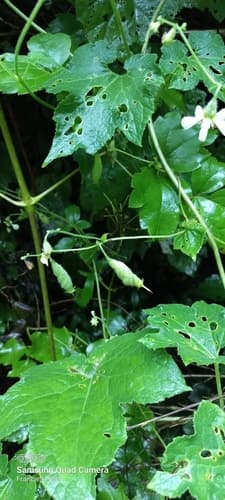
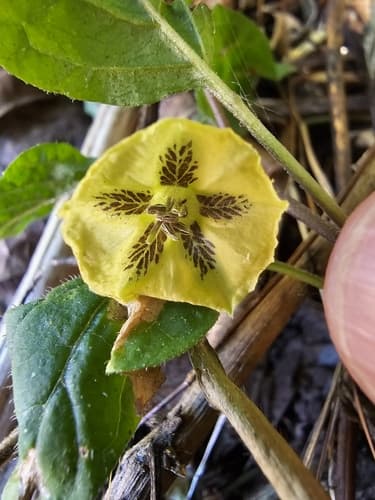
Physalis longiloba is an herbaceous annual or short-lived perennial plant characterized by its sprawling habit and distinctive yellow, bell-shaped flowers with dark brown or purplish markings in the throat. It produces small, edible berries encased within an inflated, papery calyx that resembles a Chinese lantern.