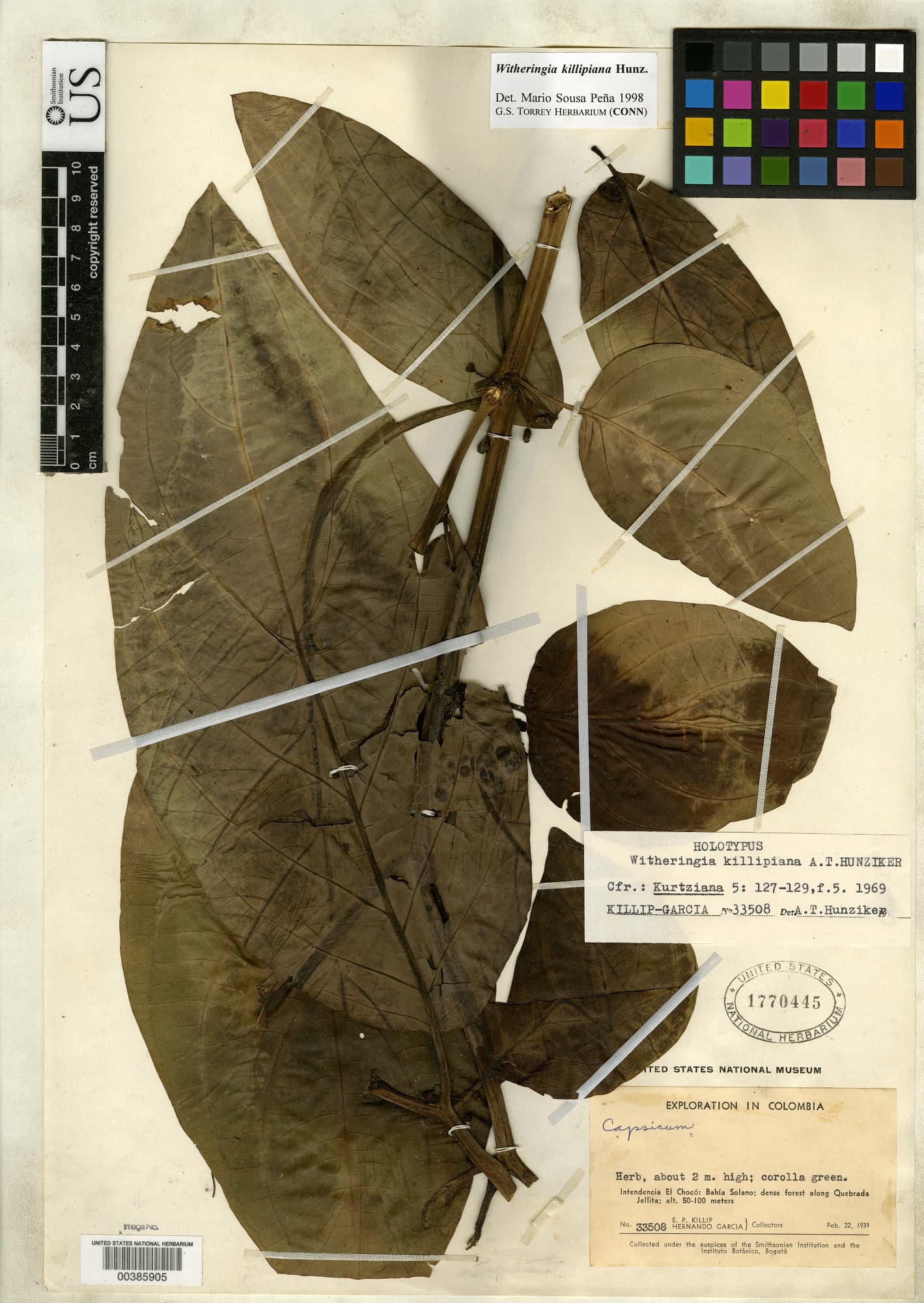
Physalis arborescens
NamePhysalis arborescens
Scientific NamePhysalis arborescens L.
Common NamesTree Groundcherry, Tomatillo de árbol
Plant FamilySolanaceae
Natural HabitatNative to Mexico and Central America, it typically grows in tropical and subtropical dry forests, disturbed areas, roadsides, and forest edges, often at elevations between 1000-2000 meters.
Parts Usedleaf,fruit,root
Medicinal Actionsanti-inflammatory, antioxidant, diuretic, antimicrobial
Traditional UsesTraditionally, various parts of Physalis arborescens have been used in folk medicine, particularly in its native regions. The fruits are sometimes consumed, and infusions or decoctions from leaves and roots have been used for their anti-inflammatory properties, to treat fevers, and as a diuretic.
Active ConstituentsPhysalins, Withanolides, Flavonoids, Steroids
Preparation Methodsinfusion, decoction, powder
Contraindications & WarningsUnripe fruits of Physalis species can be toxic due to solanine-like alkaloids; consumption should be limited to ripe fruits. Pregnant or breastfeeding women and individuals with nightshade allergies should exercise caution.
Cultivation NotesPrefers full sun to partial shade and well-drained soil. It is drought-tolerant once established and can be propagated by seed or cuttings. It thrives in warm, subtropical to tropical climates.
Raritycommon
Description
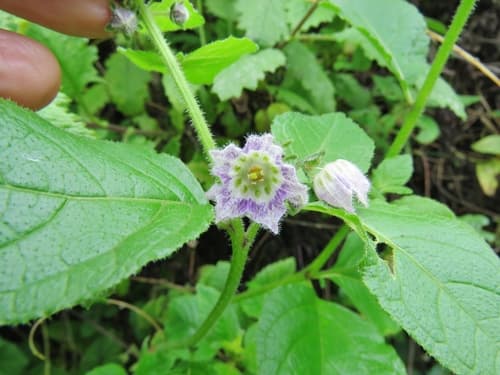
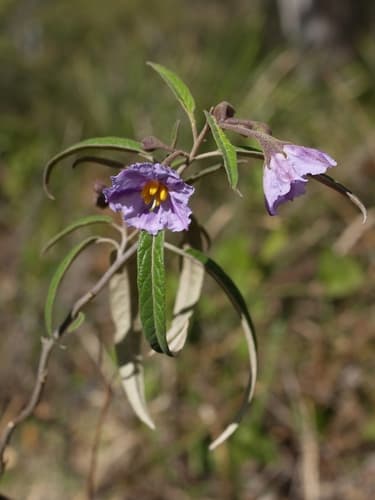
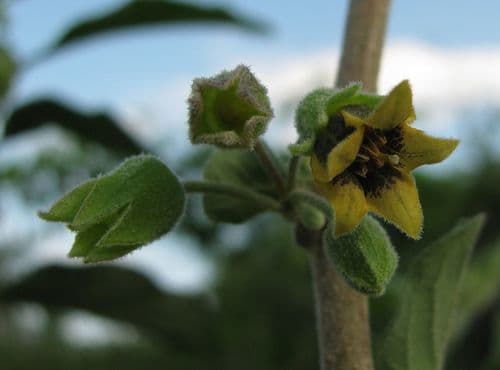
Physalis arborescens is a woody perennial shrub or small tree, reaching up to 3 meters in height, characterized by its velvety stems and leaves. It produces distinctive bell-shaped, yellow flowers with a dark purple or brown center, which later develop into edible berries enclosed within an inflated, papery calyx.