Peruvian Dodder
NamePeruvian Dodder
Scientific NameCuscuta odorata
Common NamesPeruvian Dodder, Dodder
Plant FamilyConvolvulaceae
Natural HabitatNative to Peru and other parts of South America, this parasitic plant thrives in diverse habitats where it can find suitable host plants, including agricultural fields, disturbed areas, and natural grasslands.
Parts Usedseed,whole_plant
Medicinal Actionsantioxidant, anti-inflammatory, diuretic, astringent
Traditional UsesTraditionally, various Cuscuta species, including those found in Peru, have been used in folk medicine as a general tonic, particularly for kidney and liver support. It has been employed to address issues such as frequent urination, impotence, and blurry vision. Topically, it may be used for skin ailments.
Active Constituentsflavonoids, lignans, polysaccharides
Preparation Methodsinfusion, decoction, powder, tincture
Contraindications & WarningsAvoid during pregnancy and lactation. Due to its parasitic nature, it's important to ensure proper identification and sourcing if used medicinally. Consult a healthcare professional, especially if on other medications.
Cultivation NotesCultivation is challenging as it is an obligate parasitic plant, requiring a suitable host plant to grow and survive. It cannot be grown independently from seed in soil.
Raritycommon
Description
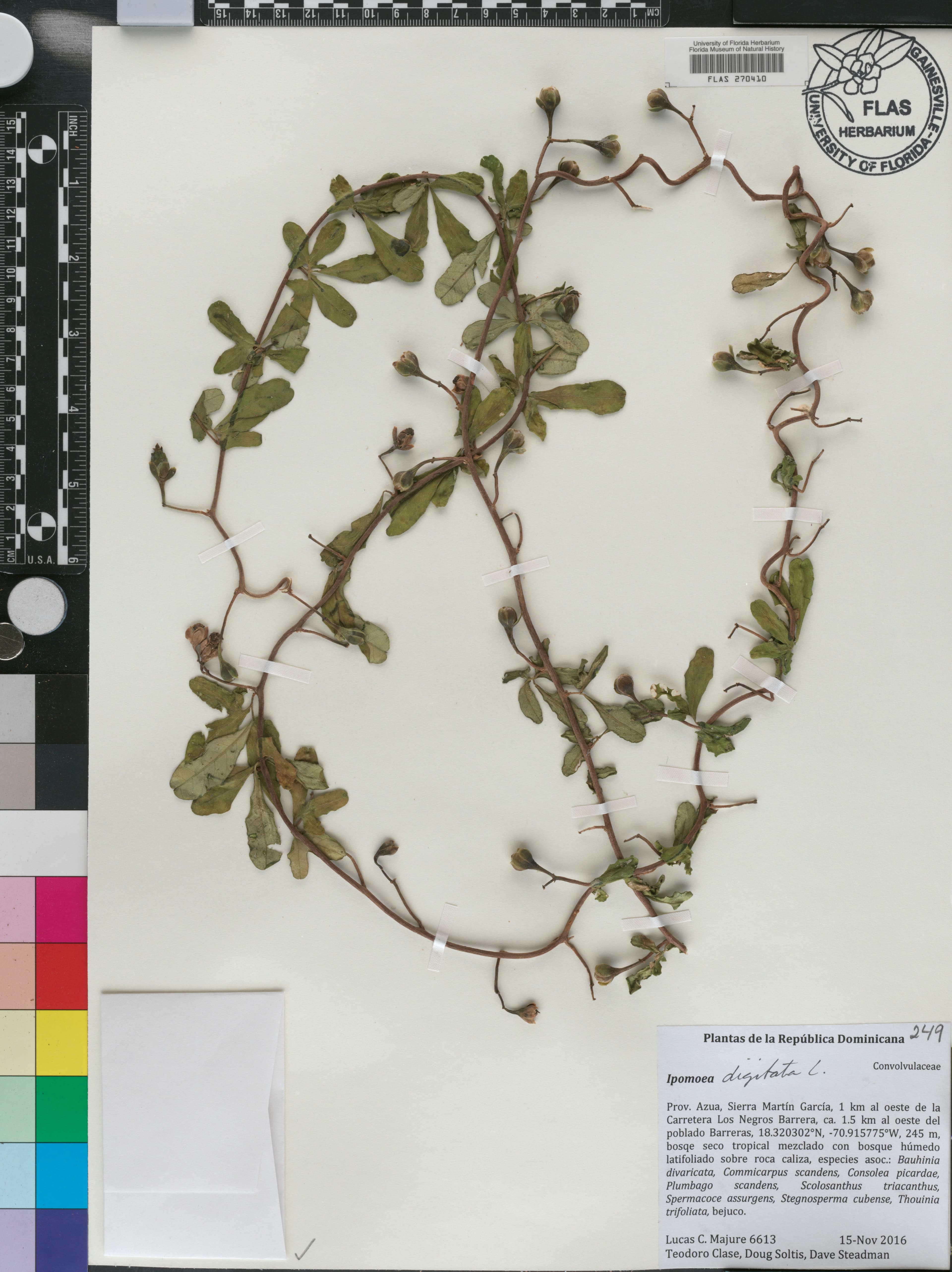
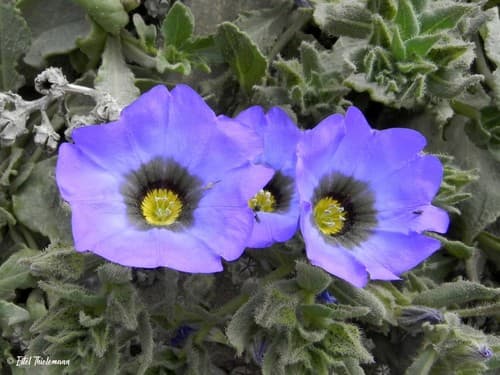
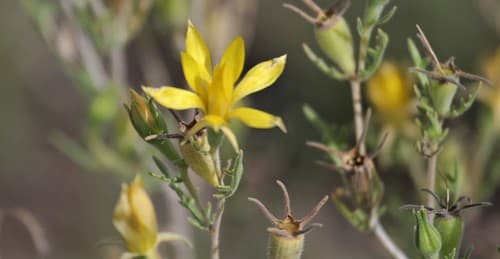
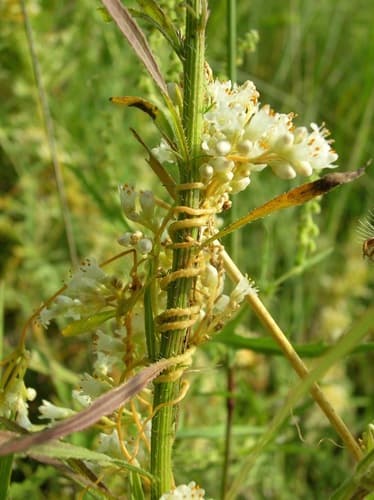
Peruvian Dodder is a parasitic vine characterized by its slender, leafless, yellowish-orange stems that twine tightly around host plants. It produces clusters of small, fragrant, white to cream-colored flowers along its stems. Lacking chlorophyll, it obtains all its nutrients by penetrating the host's vascular system with haustoria.