Periwinkle
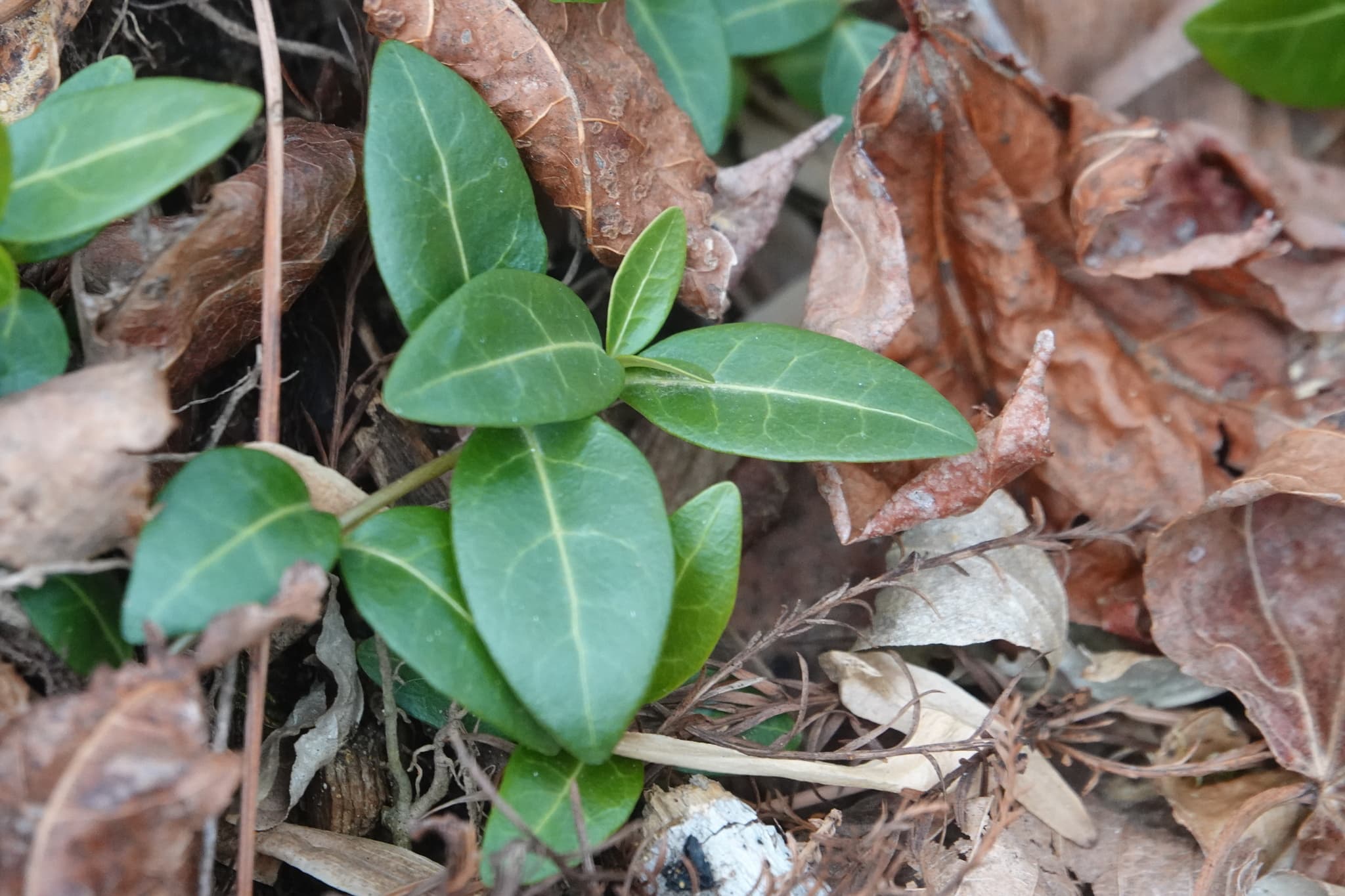
Image: Tonyia Johnson Stump (cc-by-nc)
NamePeriwinkle
Scientific NameVinca minor
Common NamesLesser Periwinkle, Common Periwinkle, Dwarf Periwinkle, Myrtle
Plant FamilyApocynaceae
Natural HabitatNative to central and southern Europe and parts of western Asia, it thrives in woodlands, forests, and shaded areas. It is widely cultivated as an ornamental groundcover and has naturalized in many temperate regions.
Parts Usedleaf,whole_plant
Medicinal Actionsanti-inflammatory, antioxidant, astringent, nervine
Traditional UsesTraditionally, Periwinkle has been used to improve cerebral blood flow, memory, and cognitive function, often for conditions like dizziness, headaches, and tinnitus. It was also applied topically as an astringent for wounds and to stop bleeding, and internally for various circulatory complaints.
Active ConstituentsVincamine, vincine, vincaminine, reserpine-type alkaloids, tannins, flavonoids
Preparation Methodsinfusion, tincture, powder
Contraindications & WarningsNot recommended for pregnant or lactating women, individuals with low blood pressure, or those taking blood-thinning medications or drugs for hypertension. Can cause gastrointestinal upset in some individuals.
Cultivation NotesThis plant prefers partial to full shade and well-drained soil, though it tolerates a range of soil types. It is drought-tolerant once established and can be quite vigorous, potentially becoming invasive in suitable conditions.
Raritycommon
Description
Vinca minor is a low-growing, evergreen perennial vine characterized by its glossy, dark green, ovate leaves arranged oppositely along trailing stems. It forms a dense groundcover, often producing small, five-petaled, typically blue-violet flowers in spring.