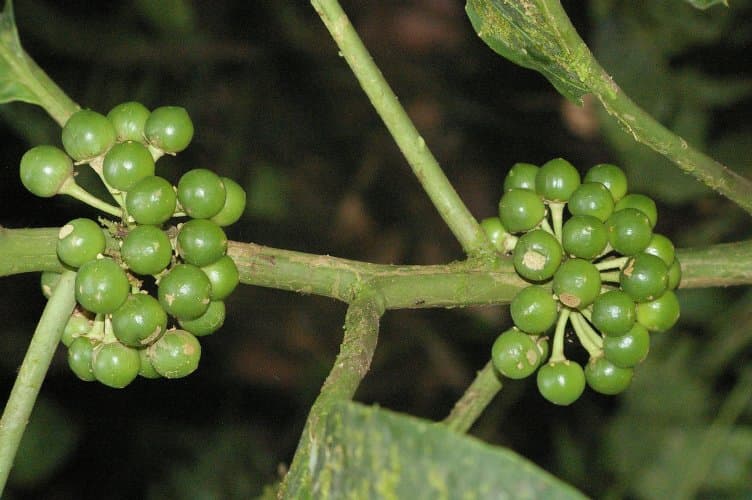
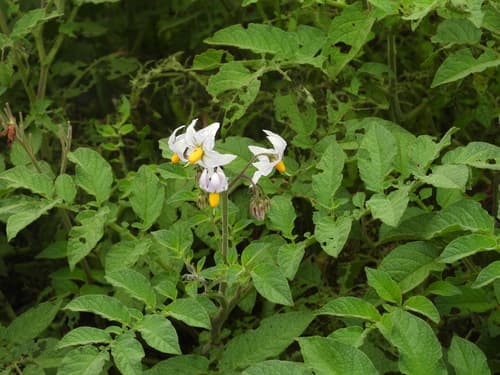
Pagoda Flower
NamePagoda Flower
Scientific NameClerodendrum paniculatum
Common NamesPagoda Flower, Red Pagoda Flower, Hanumankireetam
Plant FamilyLamiaceae
Natural HabitatNative to tropical Asia, thriving in warm, humid climates, often found in open forests, forest margins, and disturbed areas.
Parts Usedleaf,root,flower
Medicinal Actionsanti-inflammatory, antioxidant, analgesic, antimicrobial
Traditional UsesIn traditional medicine, particularly in Southeast Asia and India, the leaves and roots are used to treat various ailments. Leaves are often applied externally for fevers, headaches, and skin conditions, while roots are traditionally used for their anti-inflammatory properties, especially for rheumatism and joint pain.
Active Constituentsflavonoids, terpenoids, steroids, phenolics, clerodane diterpenoids
Preparation Methodsinfusion, decoction, poultice, powder
Contraindications & WarningsLimited scientific data on safety for internal use. Pregnant or breastfeeding women should avoid. Potential for drug interactions unknown, use with caution.
Cultivation NotesPrefers full sun to partial shade, well-drained soil, and consistent moisture. Can be grown in containers in cooler climates and brought indoors. Propagated by seeds or cuttings.
Raritycommon
Description
A tropical shrub known for its striking pyramidal clusters of bright orange-red flowers. It features large, lobed leaves and grows upright, forming a bushy habit.