Orris Root
NameOrris Root
Scientific NameIris germanica
Common NamesOrris Root, German Iris, Bearded Iris, Flag Iris
Plant FamilyIridaceae
Natural HabitatNative to Southern Europe and the Mediterranean region, these irises thrive in well-drained soils, often found in rocky areas, meadows, and cultivated gardens. They prefer full sun to partial shade and are drought-tolerant once established.
Parts Usedroot
Medicinal Actionsdemulcent, expectorant
Traditional UsesTraditionally, orris root powder was used as a breath freshener, a dentifrice, and a teething aid for infants due to its soothing properties. Internally, it was employed as an expectorant for coughs and bronchitis, and as a demulcent to soothe irritated mucous membranes. It is also widely valued in perfumery as a fixative and for its distinct violet-like fragrance.
Active ConstituentsIrone, Myristic acid, Triterpenoids
Preparation Methodspowder, decoction, tincture, essential oil
Contraindications & WarningsGenerally considered safe in small amounts. Large doses can cause nausea or vomiting. Avoid during pregnancy and lactation due due to insufficient safety data.
Cultivation NotesOrris-producing irises are hardy perennials that prefer full sun and well-drained soil. They are drought-tolerant once established and require minimal care. Rhizomes should be planted shallowly, partially exposed to the sun, to encourage flowering and prevent rot.
Raritycommon
Description
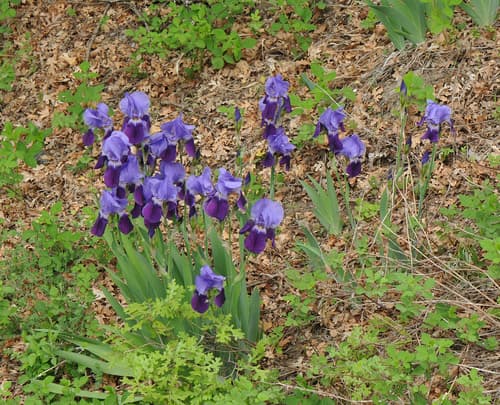
Orris root is derived from the dried and aged rhizomes of certain iris species, primarily *Iris germanica*. These perennial plants feature sword-shaped leaves and showy, often fragrant flowers with characteristic 'beards' on the lower petals, typically appearing in shades of purple or white.