Oregon Grape
Image: daniel_asmolovskiy (cc-by-nc)
NameOregon Grape
Scientific NameBerberis aquifolium
Common NamesOregon Grape, Holly-leaved Barberry, Mahonia
Plant FamilyBerberidaceae
Natural HabitatNative to western North America, it thrives in woodlands, forests, and clearings, often found in the understory or along forest edges. It prefers moist, well-drained soils but is adaptable to various conditions.
Parts Usedroot,bark,fruit
Medicinal Actionsantimicrobial, anti-inflammatory, antioxidant, astringent
Traditional UsesTraditionally, Oregon Grape root and rhizome have been used by Indigenous peoples and herbalists for various ailments, including skin conditions like psoriasis and eczema, digestive issues, and as a general tonic for liver and gallbladder support. Its antimicrobial properties make it useful for addressing infections, particularly those affecting the gut or skin.
Active ConstituentsBerberine, Hydrastine, Palmatine
Preparation Methodsdecoction, tincture, powder
Contraindications & WarningsNot recommended for pregnant or breastfeeding women. It can interact with certain medications, including blood thinners and drugs metabolized by the liver (e.g., cyclosporine), due to its berberine content. High doses may cause gastrointestinal upset.
Cultivation NotesOregon Grape is a hardy plant that prefers partial to full shade and well-drained soil. It is drought-tolerant once established and can be grown as an ornamental shrub, providing year-round interest and wildlife habitat.
Raritycommon
Description
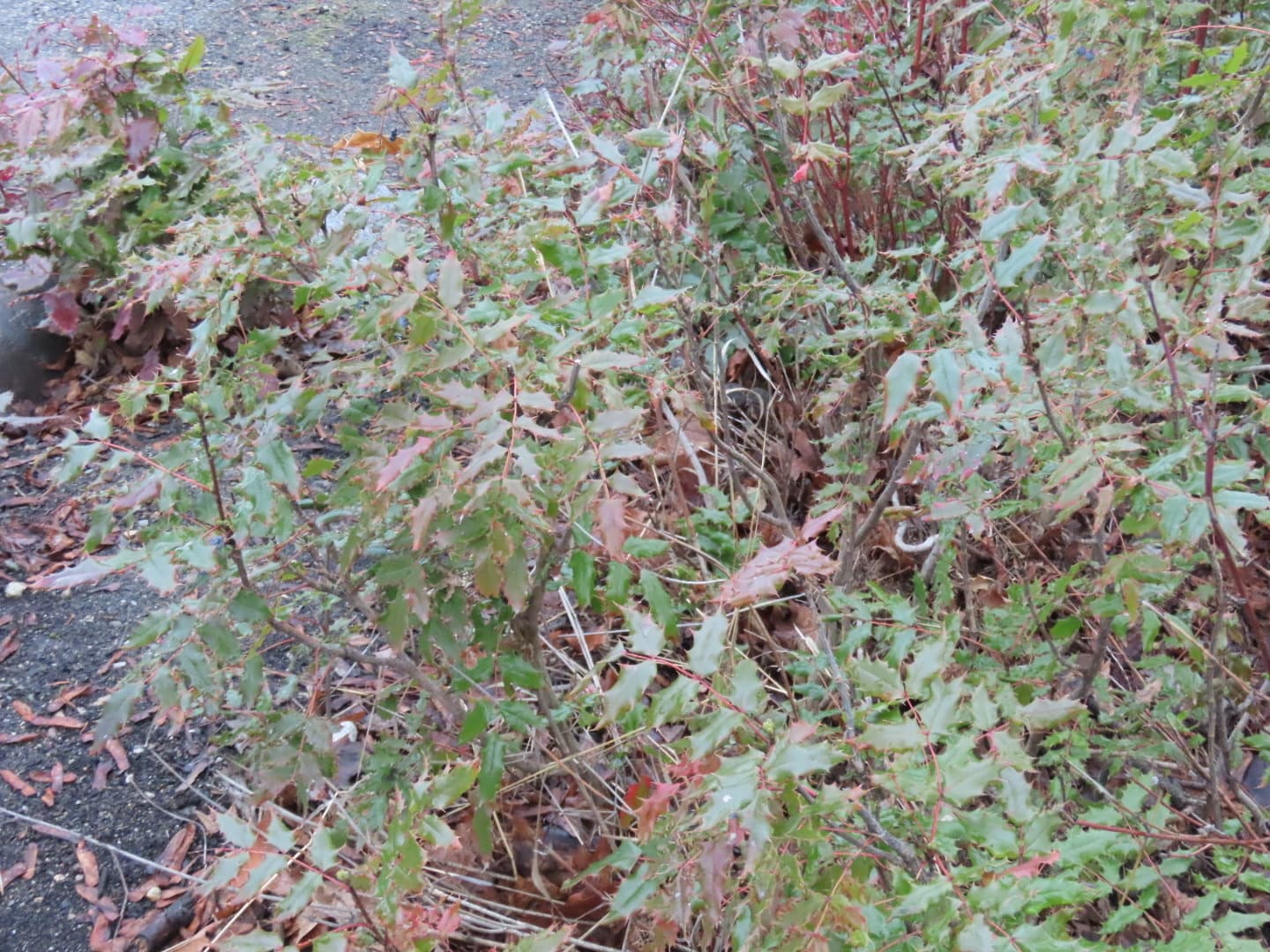
Oregon Grape is an evergreen shrub characterized by its stiff, spiny, holly-like compound leaves, which often display a reddish or purplish hue in cooler temperatures. It produces clusters of bright yellow flowers in spring, followed by edible dark blue berries. The plant typically grows 3-10 feet tall, forming dense thickets.