Solanum lanceifolium
NameSolanum lanceifolium
Scientific NameSolanum lanceifolium
Common NamesLanceleaf Nightshade, Solanum de hoja de lanza
Plant FamilySolanaceae
Natural HabitatNative to tropical and subtropical regions of Central and South America, it thrives in disturbed areas, forest edges, and secondary growth. It prefers warm climates and well-drained soils.
Parts Usedleaf,fruit
Medicinal Actionsanti-inflammatory, analgesic, antimicrobial
Traditional UsesWhile specific traditional uses for Solanum lanceifolium are not widely documented, other Solanum species are traditionally used for pain relief, reducing inflammation, and treating skin conditions. Some species are also employed for fevers and as diuretics.
Active ConstituentsSteroidal glycoalkaloids, Solanine, Solamargine, Flavonoids
Preparation Methodsdecoction, poultice, tincture
Contraindications & WarningsDue to the presence of potentially toxic glycoalkaloids, ingestion should be avoided, especially by pregnant or nursing women and children. Can cause gastrointestinal upset and other adverse effects if consumed in large quantities.
Cultivation NotesThis plant prefers full sun to partial shade and well-drained soil in warm, tropical to subtropical climates. It can be propagated from seeds and requires consistent moisture but tolerates some drought once established.
Rarityuncommon
Description
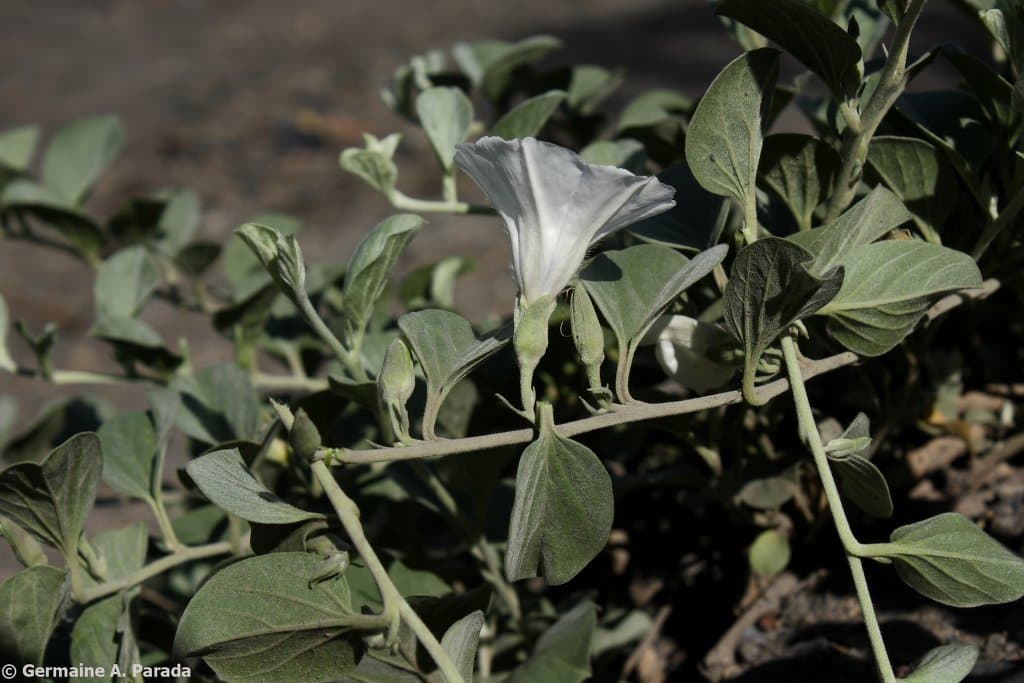
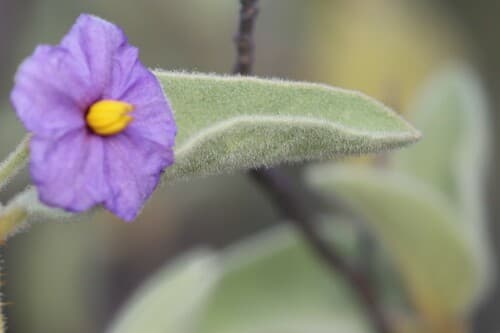
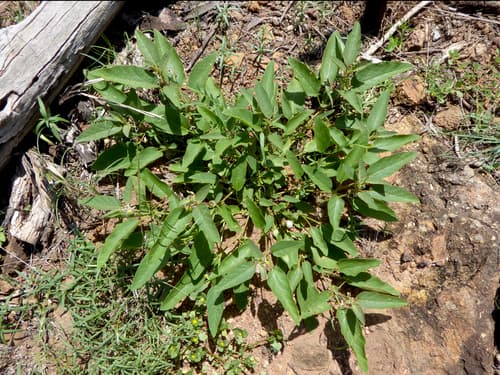
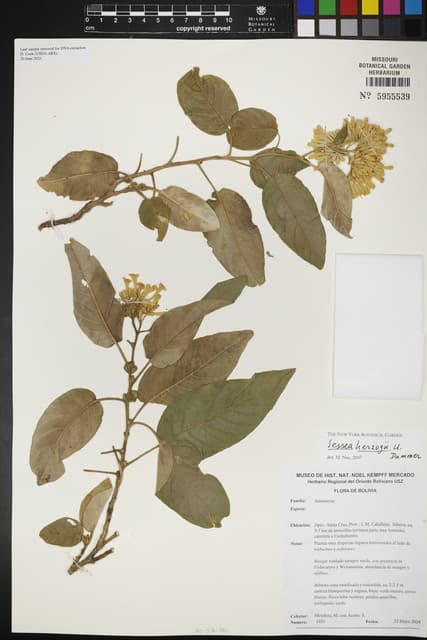
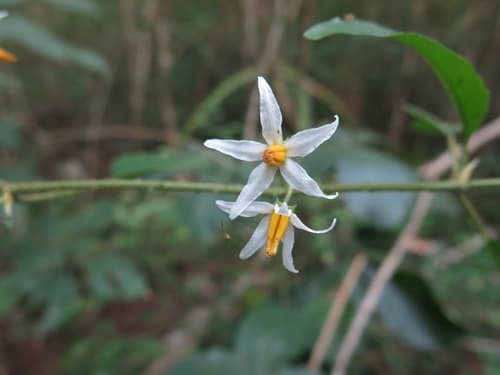
Solanum lanceifolium is a shrub or small tree characterized by its lance-shaped leaves and star-shaped white flowers with prominent yellow anthers. These flowers typically have five petals and are borne in clusters along the stem.