Orange Cestrum
NameOrange Cestrum
Scientific NameCestrum aurantiacum
Common NamesOrange Cestrum, Orange Jessamine, Orange Zestrum
Plant FamilySolanaceae
Natural HabitatNative to Central America, particularly Guatemala and Mexico, it thrives in tropical and subtropical climates. It is typically found in open woodlands, forest edges, and disturbed areas, preferring well-drained soil and full sun to partial shade.
Parts Usedleaf
Medicinal Actionsanti-inflammatory, analgesic
Traditional UsesWhile *Cestrum aurantiacum* is primarily known for its toxicity and ornamental value, some species within the *Cestrum* genus have been historically used in traditional folk medicine. These uses, often involving the leaves, have included external applications as a poultice for skin conditions or pain, and internal use as a febrifuge for fever. However, such uses are associated with significant risks due to the plant's toxic compounds and are not recommended for *C. aurantiacum*.
Active ConstituentsSteroidal glycoalkaloids, saponins, solasodine, solasonine, solamargine
Preparation Methodspoultice, infusion
Contraindications & WarningsALL parts of *Cestrum aurantiacum*, especially the berries and leaves, are considered highly toxic to humans and livestock. Ingestion can cause severe gastrointestinal upset, neurological symptoms (e.g., tremors, convulsions), and can be fatal. Due to its high toxicity, this plant is not recommended for any internal medicinal use. External use should also be approached with extreme caution due to potential skin irritation and absorption of toxins.
Cultivation NotesOrange Cestrum is a relatively easy-to-grow ornamental shrub that prefers full sun to partial shade and well-drained soil. It is drought-tolerant once established and can be grown in USDA hardiness zones 8-11. Regular pruning helps maintain its shape and promotes abundant flowering.
Raritycommon
Description
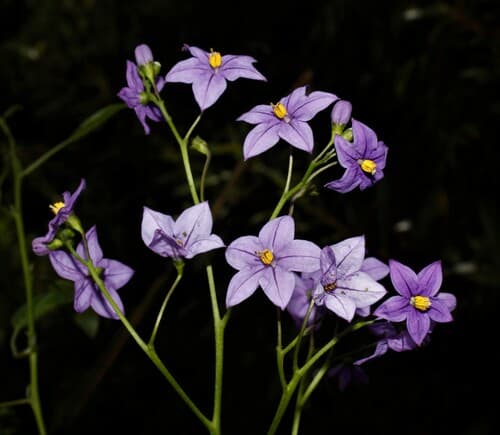
Cestrum aurantiacum is an evergreen shrub or small tree characterized by its glossy, dark green, ovate leaves and profuse clusters of vibrant orange, trumpet-shaped flowers. The flowers are often fragrant, especially at night, and are followed by small white berries.