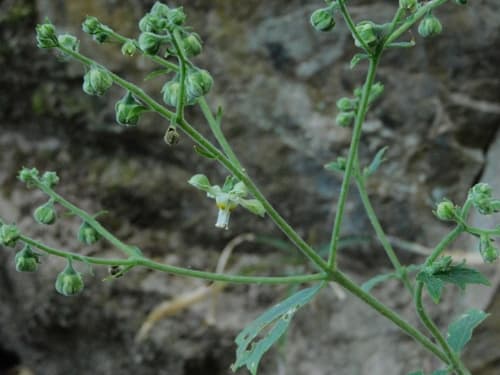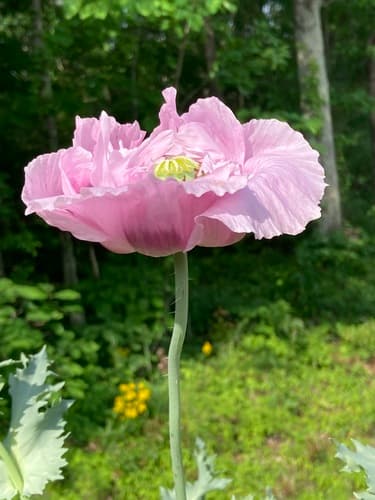
Opium poppy
NameOpium poppy
Scientific NamePapaver somniferum
Common NamesOpium poppy, Breadseed poppy, Garden poppy
Plant FamilyPapaveraceae
Natural HabitatNative to the eastern Mediterranean and Asia Minor, it is now widely cultivated globally, often found in disturbed soils, fields, and gardens. It prefers full sun and well-drained soil.
Parts Usedfruit
Medicinal Actionsanalgesic, sedative
Traditional UsesTraditionally used as a powerful analgesic and sedative to relieve severe pain, induce sleep, and suppress coughs and diarrhea. It has been used for millennia in various cultures for its narcotic properties, though its use is highly regulated or illegal in many modern contexts.
Active ConstituentsMorphine, Codeine, Thebaine, Papaverine, Noscapine
Preparation Methodstincture, powder
Contraindications & WarningsSevere respiratory depression, high risk of addiction and dependence, constipation, nausea, vomiting, dizziness, and confusion. Illegal for non-medical use in many countries. Interacts with CNS depressants and MAOIs.
Cultivation NotesPrefers full sun and well-drained soil. Sow seeds directly in early spring. Requires moderate water. Can self-seed readily. Cultivation for opium production is highly regulated or illegal in most regions.
Raritycommon
Description
An annual herbaceous plant growing up to 1.5 meters tall, characterized by glaucous green leaves, large showy flowers (often pink, white, red, or purple), and distinctive spherical seed pods. The plant produces a milky latex when incised, which is the source of opium.