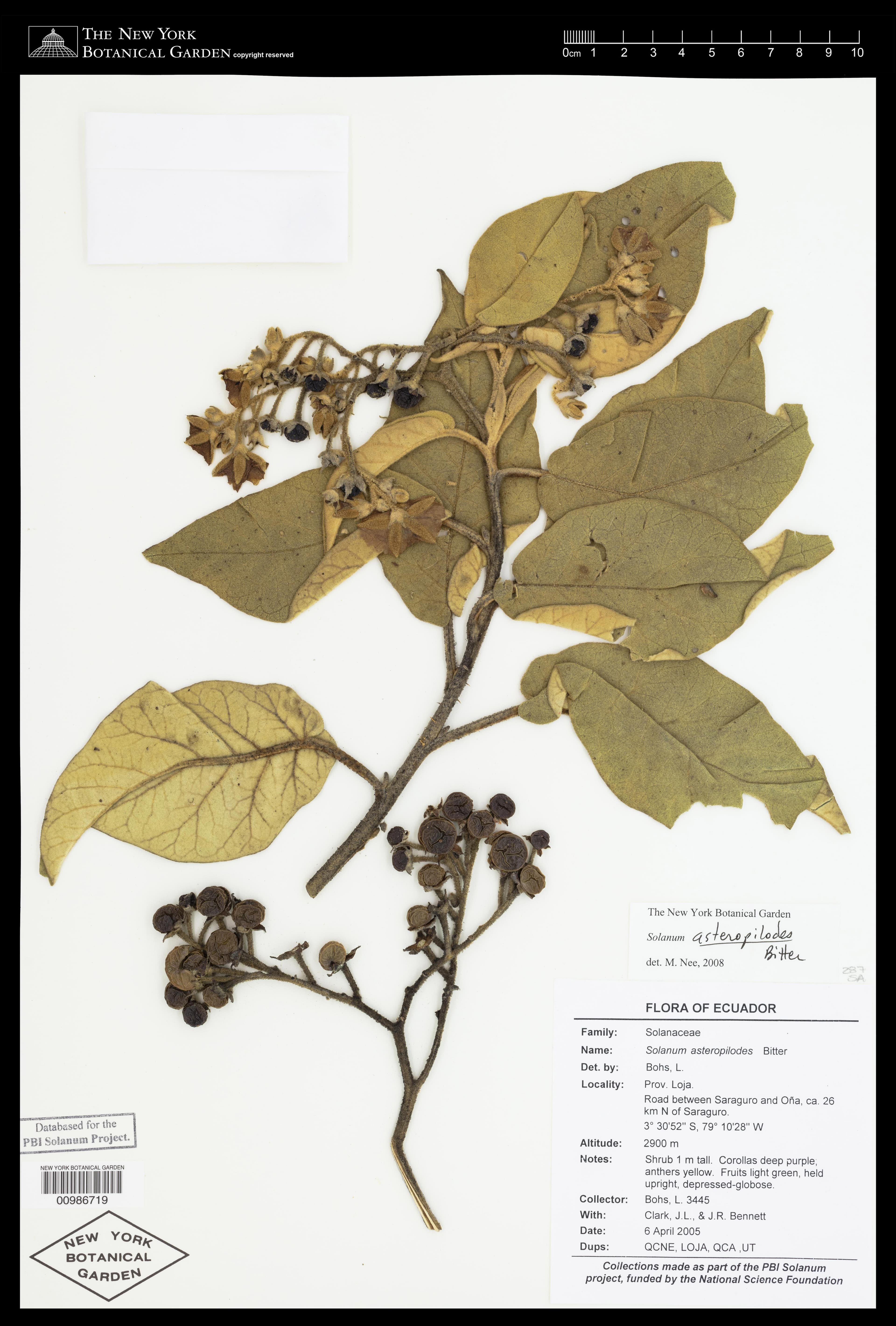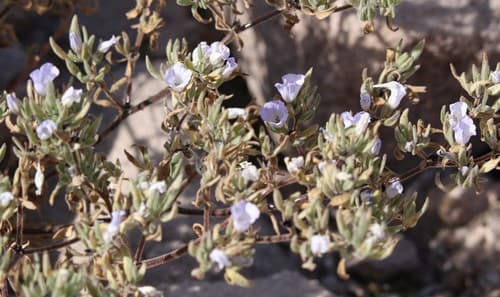
Nolana rhombifolia
NameNolana rhombifolia
Scientific NameNolana rhombifolia
Common NamesNolana, Coastal Nolana
Plant FamilySolanaceae
Natural HabitatEndemic to the coastal deserts of Peru and Chile, thriving in sandy or rocky soils, often found in close proximity to the coast.
Parts Used
Traditional UsesTraditional medicinal uses for *Nolana rhombifolia* are not widely documented in ethnobotanical literature. The genus *Nolana* is known to contain tropane alkaloids, and some species are considered toxic, particularly to livestock, suggesting caution for any potential human use.
Active ConstituentsTropane alkaloids
Contraindications & WarningsDue to the presence of potentially toxic tropane alkaloids, *Nolana rhombifolia* is likely toxic if ingested and should not be used internally. Specific contraindications for human medicinal use are not established due to a lack of traditional medicinal application and potential toxicity.
Cultivation NotesPrefers well-drained, sandy or rocky soils and full sun exposure. It is highly drought-tolerant and adapted to arid coastal environments, requiring minimal water once established.
Rarityuncommon
Description
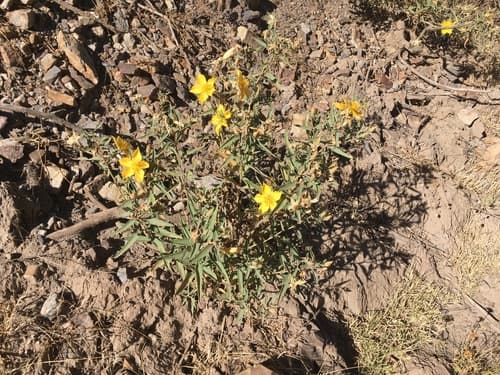
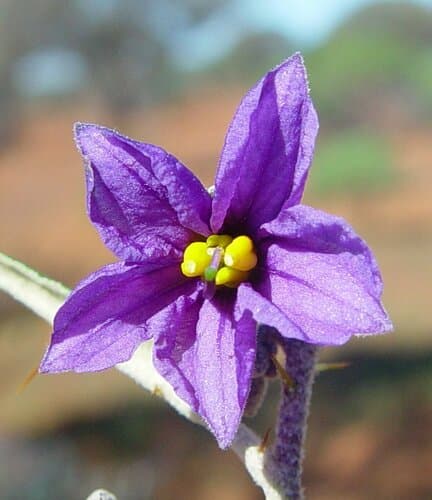
A low-growing, sprawling perennial herb characterized by small, somewhat fleshy, grayish-green leaves that are typically rhomboid to spatulate in shape. It produces small, funnel-shaped flowers, usually pale blue to lavender or white, appearing solitary in the leaf axils.