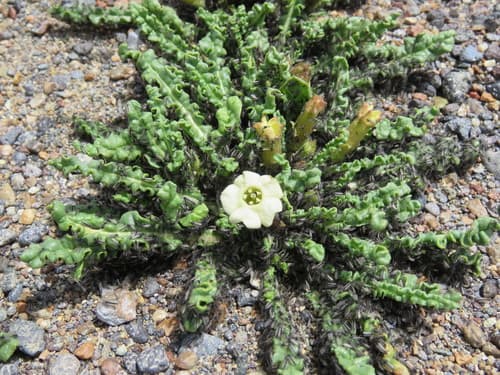
Nicotiana acaulis
NameNicotiana acaulis
Scientific NameNicotiana acaulis
Common NamesAcaulis Tobacco, Stemless Tobacco
Plant FamilySolanaceae
Natural HabitatNative to arid and semi-arid regions of South America, particularly Argentina, where it thrives in rocky or sandy soils.
Parts Usedleaf
Medicinal Actionsanalgesic, antimicrobial
Traditional UsesTraditionally, various Nicotiana species, including wild tobaccos like N. acaulis, have been used by indigenous cultures primarily for ceremonial and ritualistic purposes, often smoked or chewed. Topically, the leaves have been applied as poultices for localized pain relief, insect bites, and certain skin ailments, leveraging their anodyne and insecticidal properties. Due to high toxicity, internal medicinal use is extremely limited and dangerous.
Active ConstituentsNicotine, Anabasine, Nornicotine, Pyridine alkaloids
Preparation Methodsinfusion, poultice, powder
Contraindications & WarningsHighly toxic; not for internal consumption. Contraindicated in pregnancy, lactation, heart conditions, hypertension, gastrointestinal issues, and by individuals sensitive to nicotine. Highly addictive.
Cultivation NotesPrefers full sun and well-drained, sandy or rocky soil. It is drought-tolerant once established and can be propagated from seed.
Rarityuncommon
Description
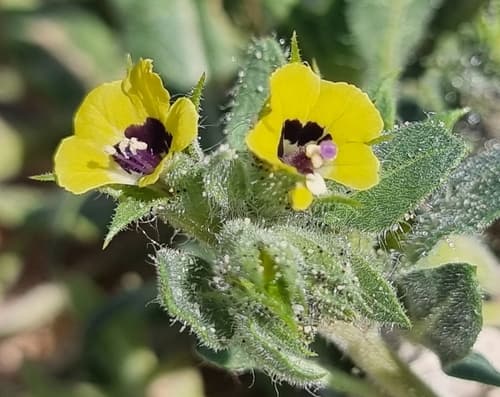
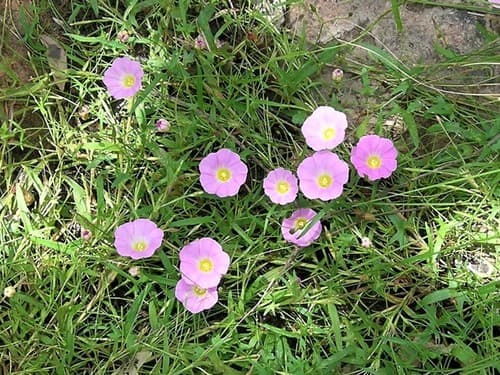
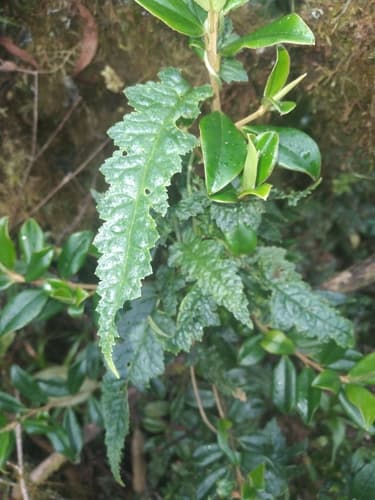
A low-growing, rosette-forming perennial herb, characterized by its wavy, somewhat succulent, and often glandular-hairy leaves. It produces small, pale, star-shaped flowers that emerge directly from the center of the basal rosette, giving it a 'stemless' appearance.