Neem
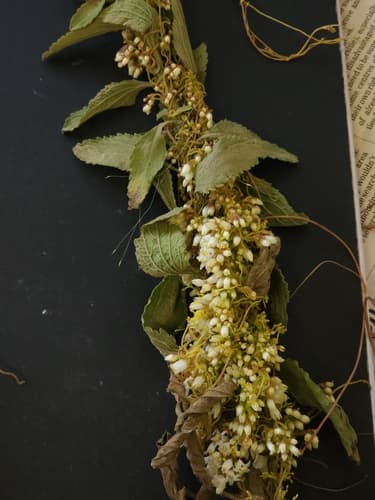
Image: shaniaanelson (cc-by-nc)
NameNeem
Scientific NameAzadirachta indica
Common NamesNeem, Nimtree, Indian Lilac, Margosa Tree
Plant FamilyMeliaceae
Natural HabitatNative to tropical and semi-tropical regions of the Indian subcontinent and Southeast Asia, Neem thrives in dry, arid, and semi-arid climates. It is highly drought-resistant and can grow in poor, stony soils.
Parts Usedleaf,flower,bark,seed,fruit,whole_plant
Medicinal Actionsadaptogen, analgesic, anti-inflammatory, antimicrobial, antioxidant, astringent, carminative, demulcent, diuretic, expectorant
Traditional UsesNeem has been a cornerstone of Ayurvedic medicine for centuries, revered for its broad-spectrum healing properties. It is traditionally used to treat various skin conditions like acne, eczema, and psoriasis, as an anthelmintic for intestinal parasites, for oral hygiene, to reduce fever, and to bolster immune function. Neem oil is widely applied topically for skin and hair care, and as a natural insect repellent.
Active ConstituentsAzadirachtin, Nimbin, Nimbidin, Nimbidol, Gedunin, Salannin, Quercetin, Catechin, Limonoids, Flavonoids
Preparation Methodsinfusion, decoction, tincture, poultice, essential oil, powder, salve
Contraindications & WarningsNeem is not recommended for pregnant or breastfeeding women, or young children due to potential adverse effects. High doses or prolonged internal use may cause liver damage. It can interact with immunosuppressants, diabetes medications, and lithium. Individuals trying to conceive should avoid Neem as it may have abortifacient and spermicidal properties.
Cultivation NotesNeem trees prefer full sun exposure and well-drained soil, demonstrating remarkable tolerance to poor soil conditions and drought once established. They are sensitive to frost and thrive best in warm, tropical climates. Propagation is typically achieved through seeds or cuttings.
Raritycommon
Description
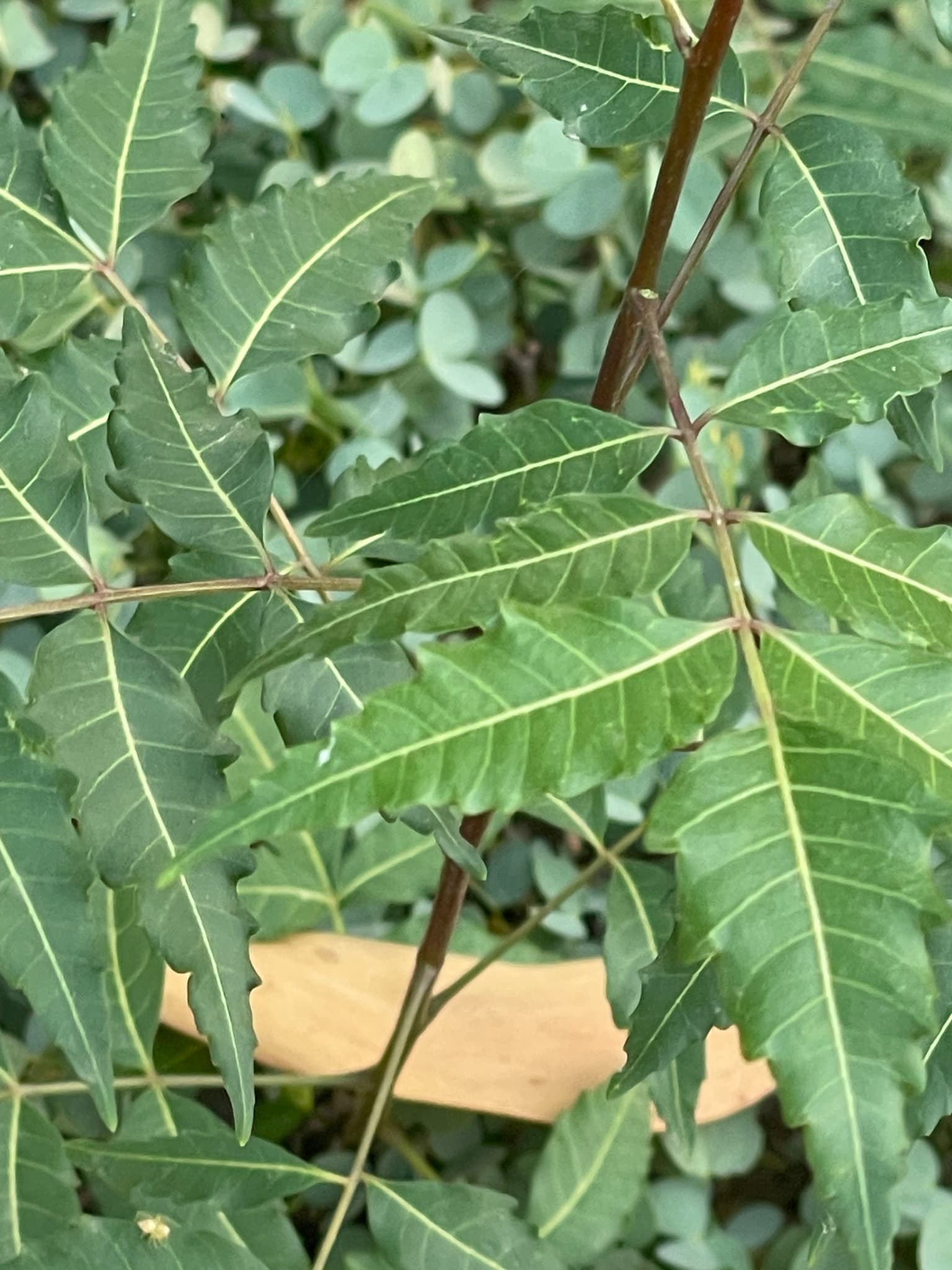
Neem is a fast-growing evergreen tree with a dense, rounded crown, native to the Indian subcontinent. Its distinctive leaves are pinnate, composed of numerous serrated leaflets arranged oppositely along a central rachis, as visible in the image. The tree produces small, fragrant white flowers and olive-like fruits.