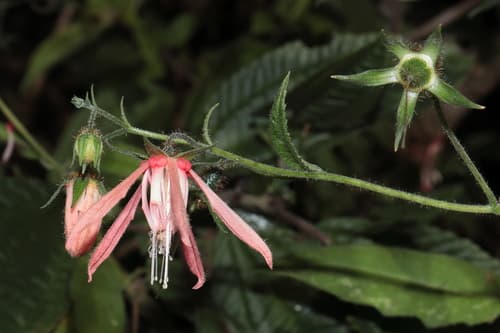
Nasa solata
NameNasa solata
Scientific NameUndetermined species (likely Grewia sp.)
Plant FamilyMalvaceae
Natural HabitatBased on the likely genus Grewia, this plant is typically found in tropical and subtropical regions, thriving in forests, woodlands, or open bushland environments.
Parts Usedfruit,leaf,bark
Medicinal Actionsastringent, anti-inflammatory, antioxidant, antimicrobial
Traditional UsesSpecific traditional uses for 'Nasa solata' are not documented. However, many species within the likely genus Grewia are traditionally used for their edible fruits and for medicinal purposes, including treating diarrhea, fevers, coughs, and various skin conditions. The bark and leaves are often employed in traditional remedies.
Active Constituentsflavonoids, tannins, triterpenes, polysaccharides
Preparation Methodsinfusion, decoction, powder, poultice
Contraindications & WarningsSpecific contraindications for 'Nasa solata' are unknown due to lack of definitive identification. As with any unconfirmed plant, caution is advised, and consultation with a qualified herbalist or healthcare professional is recommended before use.
Cultivation NotesCultivation notes for 'Nasa solata' are unknown. Generally, species within the Grewia genus prefer well-drained soils, full sun to partial shade, and warm, frost-free climates. They are often drought-tolerant once established.
Rarityuncommon
Description
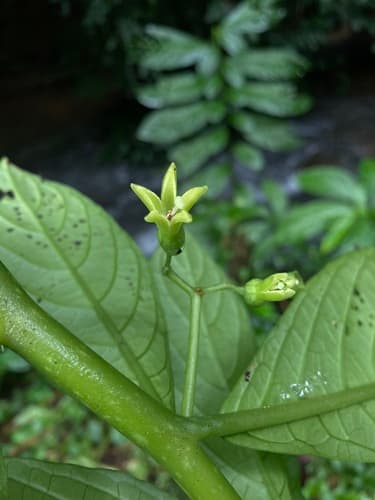
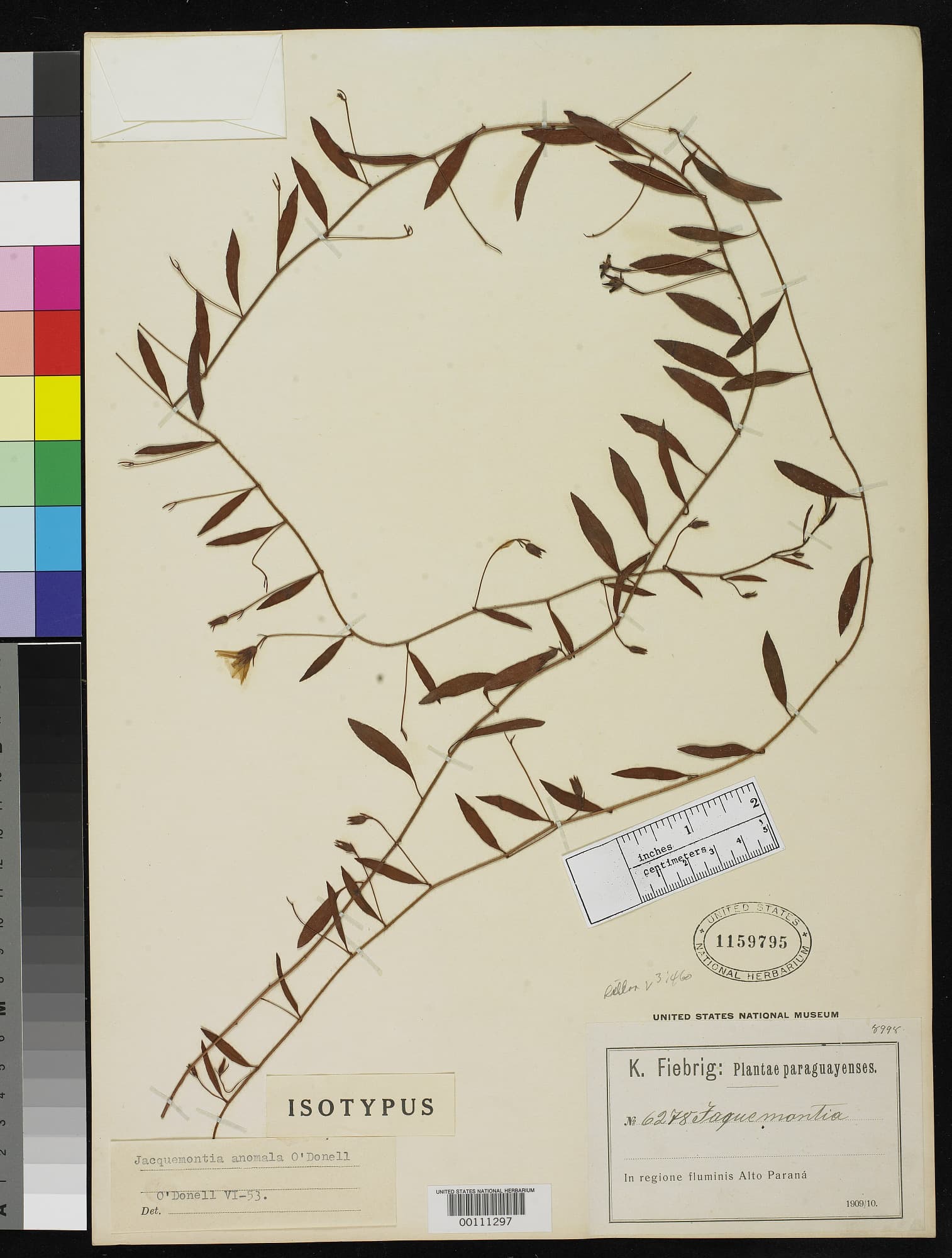
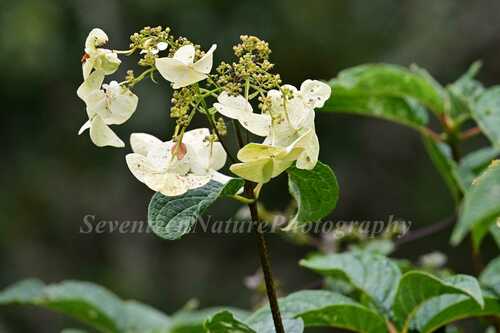
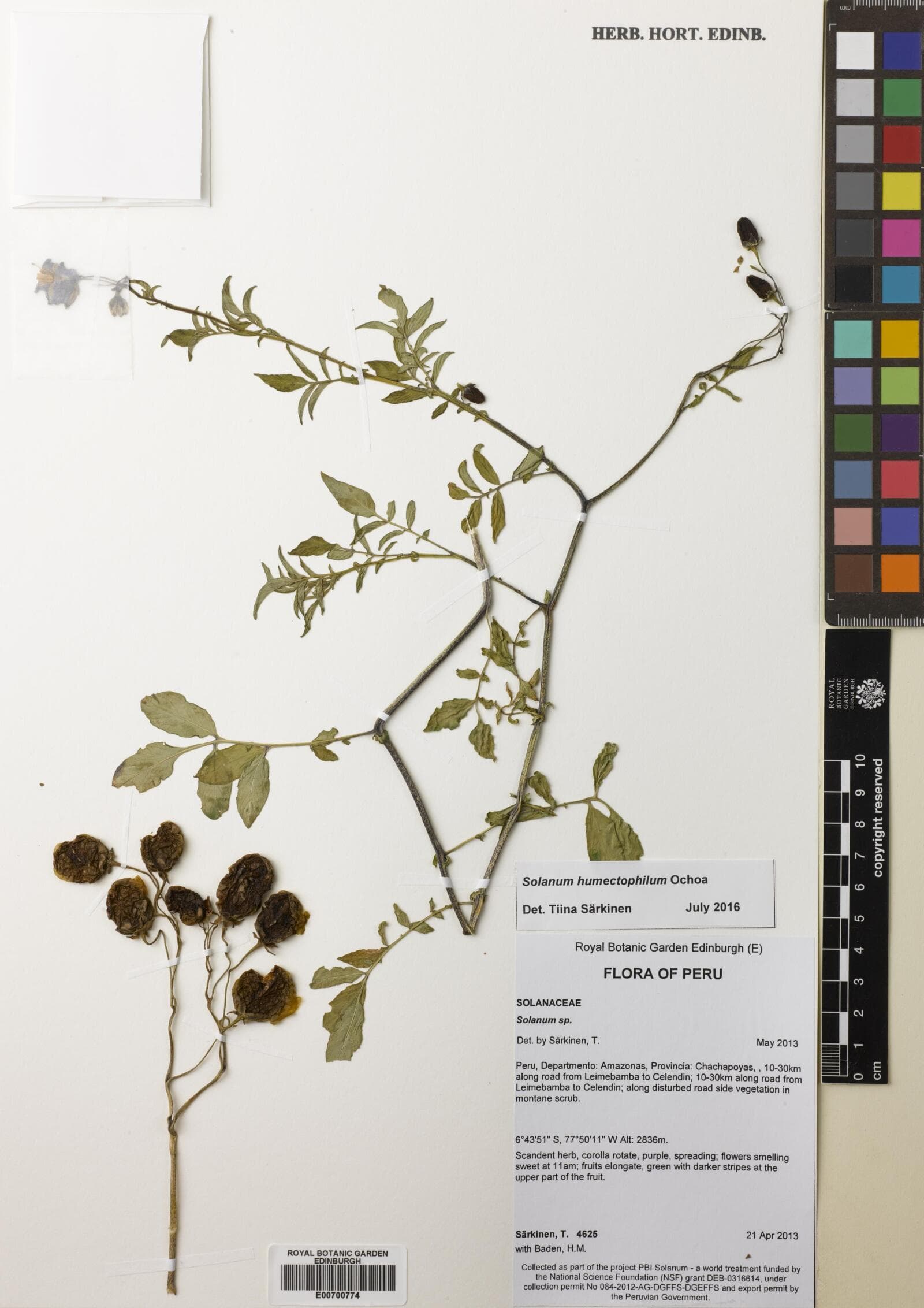
This plant features delicate, pendulous flowers with pale pink to reddish-pink, narrow petals and a prominent central cluster of numerous white stamens. The stems and developing fruits are noticeably hairy, and the persistent calyx forms a distinctive star-shaped structure around the nascent fruit. It appears to be a shrub or small tree.