Nasa poissoniana
NameNasa poissoniana
Scientific NameNasa poissoniana
Common NamesOrtiga brava, Itapallo
Plant FamilyLoasaceae
Natural HabitatThis plant thrives in high-altitude Andean regions, typically found in rocky areas, disturbed ground, and along trails, preferring sunny and well-drained conditions.
Parts Usedleaf,whole_plant
Medicinal Actionsanalgesic, anti-inflammatory, antimicrobial, diuretic
Traditional UsesIn Andean traditional medicine, Nasa poissoniana (often referred to as 'ortiga brava') is primarily used externally. The stinging leaves are applied directly to the skin as a poultice (urtication) to alleviate rheumatic pain, arthritis, muscle aches, and sprains by stimulating circulation and reducing localized inflammation. Less commonly, some preparations are used internally as a diuretic, but this requires extreme caution due to potential toxicity.
Active ConstituentsHistamine, Acetylcholine, Serotonin, Flavonoids, Phenolic acids
Preparation Methodspoultice, decoction, infusion
Contraindications & WarningsDirect skin contact causes stinging and irritation; avoid contact with eyes and sensitive skin. Internal use is not recommended without expert guidance due to potential toxicity and lack of extensive safety data. Not suitable for pregnant or breastfeeding women, or young children. Individuals with allergies to stinging nettles or similar plants should avoid use.
Cultivation NotesNasa poissoniana prefers high-altitude environments with rocky, well-drained soils and full sun exposure. It can be challenging to cultivate outside its native range due to specific climatic and soil requirements. Propagation is typically from seed.
Rarityuncommon
Description
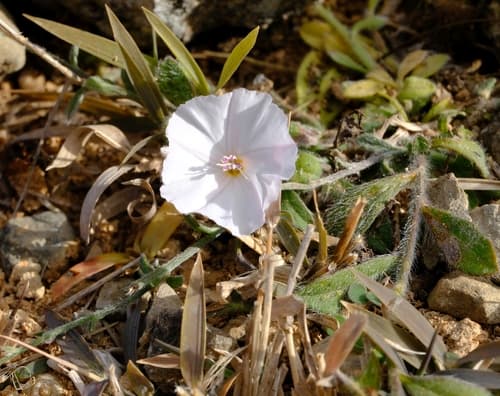
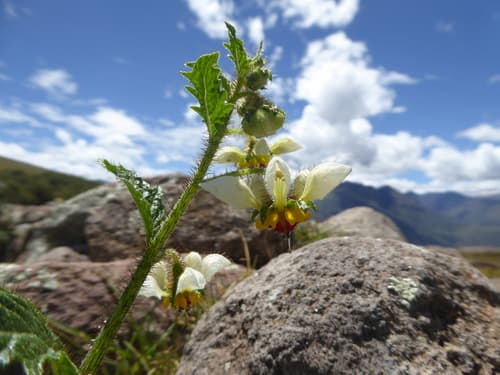
Nasa poissoniana is a herbaceous plant native to the Andes, characterized by its stinging hairs covering the stem and deeply lobed leaves. It produces distinctive white to yellowish flowers with a complex structure, often featuring a reddish-orange center and prominent stamens.