Nasa peltata
NameNasa peltata
Scientific NameNasa peltata
Common NamesOrtiga de la sierra, Ortiga brava, Mountain Nettle
Plant FamilyLoasaceae
Natural HabitatThis species thrives in the cool, humid environments of Andean cloud forests and montane forests, typically found at high altitudes in South America. It prefers moist, shaded conditions and can often be found in disturbed areas.
Parts Usedleaf,whole_plant
Medicinal Actionsanalgesic, anti-inflammatory
Traditional UsesTraditionally, some species within the genus Nasa, including those with stinging hairs, have been used topically as a counter-irritant. The stinging sensation is intentionally applied to the skin to alleviate rheumatic pain, arthritis, and muscle aches, stimulating blood flow and reducing deeper discomfort.
Active Constituentsacetylcholine, histamine, serotonin, formic acid, flavonoids, phenolic acids
Preparation Methodspoultice, tincture, salve
Contraindications & WarningsDirect skin contact with the fresh plant causes immediate stinging and irritation; avoid contact with eyes and mucous membranes. Internal use is not recommended without expert guidance due to potential toxicity. Individuals with sensitive skin or known allergies should exercise extreme caution.
Cultivation NotesNasa peltata requires specific growing conditions, preferring cool, humid climates with well-drained soil, mimicking its native Andean cloud forest habitat. Cultivation outside its natural range can be challenging due to its specific environmental needs and the presence of stinging hairs.
Rarityuncommon
Description
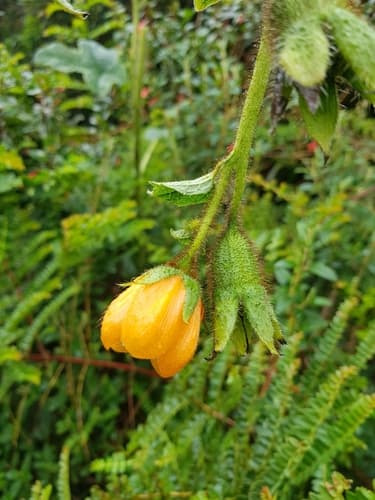
Nasa peltata is a herbaceous plant native to the Andes, characterized by its vibrant yellow, bell-shaped flowers and stems densely covered in stinging hairs. These hairs are a prominent feature, giving the plant its common 'nettle' association.