Lagoon Nightshade
NameLagoon Nightshade
Scientific NameSolanum sp.
Common NamesLagoon Nightshade
Plant FamilySolanaceae
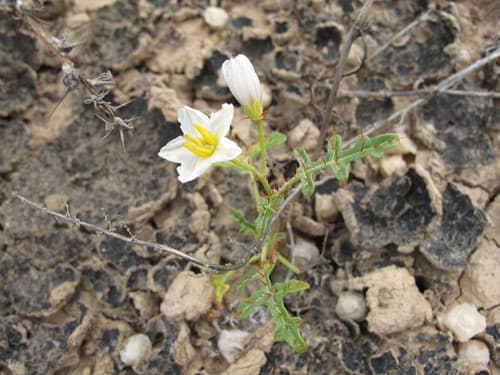
Natural HabitatThrives in arid or semi-arid disturbed soils, often found in dry lakebeds, roadsides, and degraded pastures. It is highly drought-tolerant and adaptable to harsh conditions.
Parts Usedwhole_plant
Medicinal Actionsanalgesic, anti-inflammatory, antimicrobial
Traditional UsesTraditionally, some spiny nightshade species have been used externally as poultices for skin ailments, sores, or to alleviate localized pain and inflammation. Internal use is generally discouraged due to the plant's high toxicity.
Active ConstituentsSteroidal glycoalkaloids, saponins, flavonoids
Preparation Methodspoultice, powder
Contraindications & WarningsEXTREMELY TOXIC. All parts of the plant are considered poisonous, especially when ingested. Symptoms of poisoning include nausea, vomiting, diarrhea, abdominal pain, headache, dizziness, and neurological effects. Pregnant and breastfeeding women, children, and individuals with liver or kidney conditions should strictly avoid. Do not ingest.
Cultivation NotesThis plant is often considered a noxious weed, thriving in poor, dry, disturbed soils and full sun. It is highly drought-tolerant and can be invasive, spreading readily by seed. It requires minimal care and can outcompete native vegetation.
Raritycommon
Description
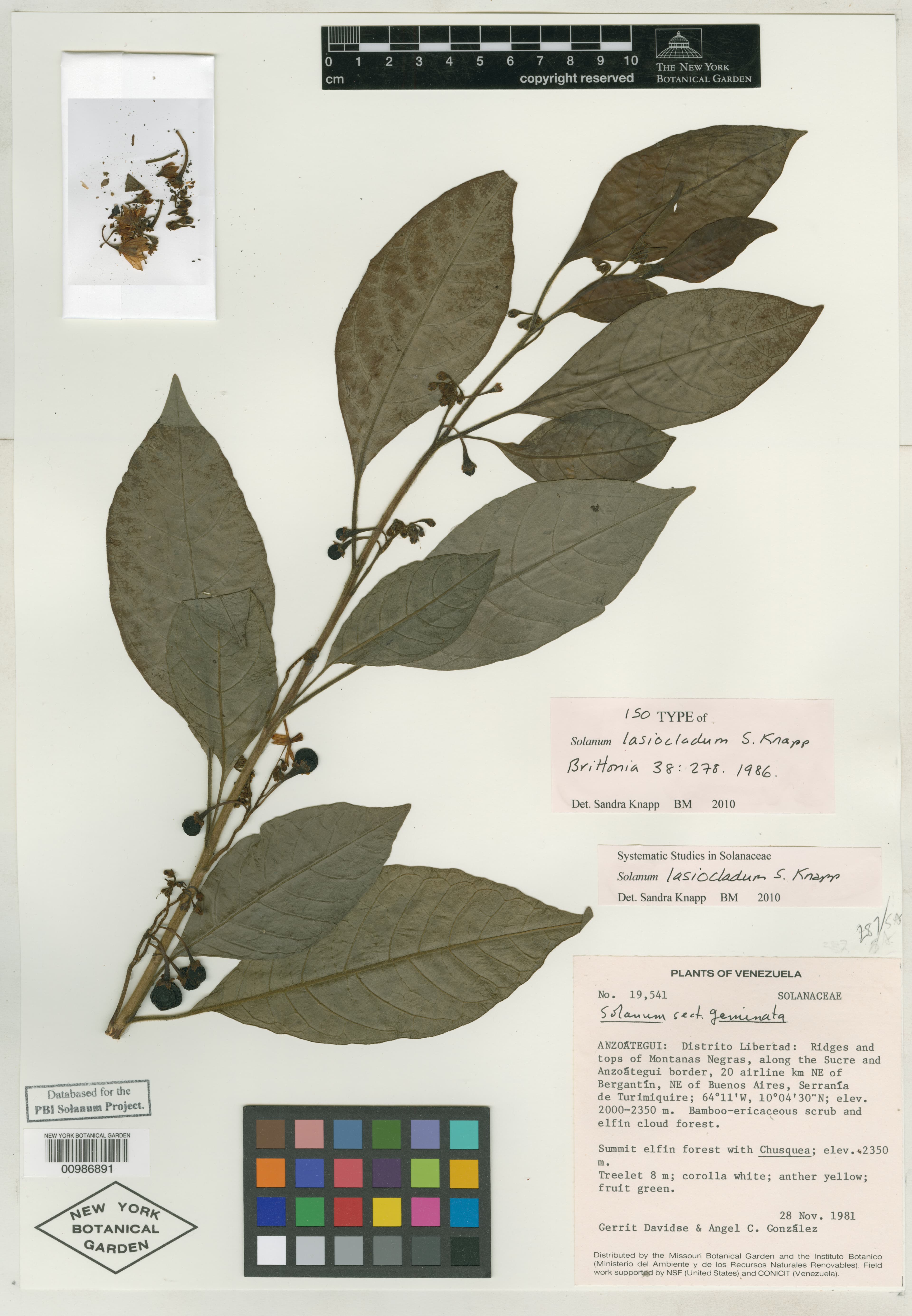
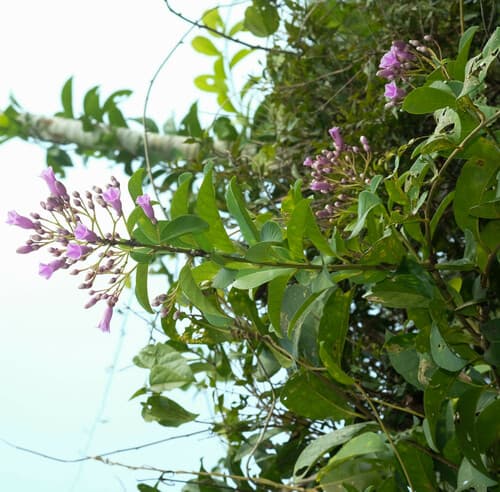
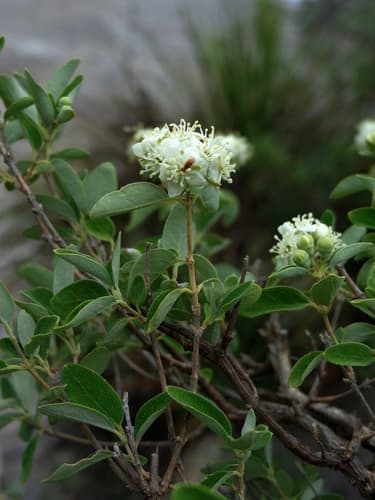
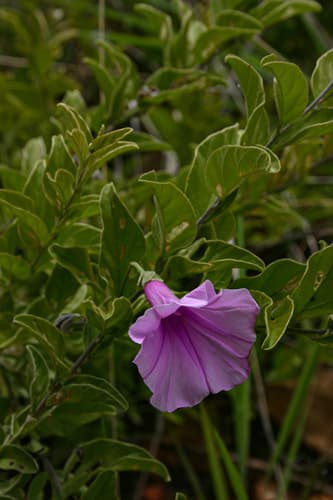
A small, herbaceous plant characterized by its spiny stems and deeply lobed leaves, often covered in fine hairs. It produces star-shaped white flowers with prominent yellow anthers, typically growing low to the ground.