Nasa dolichostemon
NameNasa dolichostemon
Scientific NameNasa dolichostemon
Common NamesOrtiga brava
Plant FamilyLoasaceae
Natural HabitatNative to the Andean regions of South America, typically found in humid montane forests, cloud forests, and paramo edges at elevations ranging from 2000 to 4000 meters.
Parts Usedleaf,whole_plant
Medicinal Actionsanalgesic, anti-inflammatory
Traditional UsesTraditionally, the stinging leaves are used externally as a counter-irritant to alleviate rheumatic pain, muscle aches, and localized inflammation. The irritation caused by the stinging hairs is believed to draw out pain or stimulate healing.
Active Constituentsglochids (stinging hairs), acetylcholine, histamine, serotonin
Preparation Methodspoultice
Contraindications & WarningsDirect contact with the plant causes severe skin irritation, itching, and burning due to its stinging hairs. Internal use is not traditionally documented and should be avoided due to lack of safety data.
Cultivation NotesRequires cool, humid, high-altitude conditions with well-drained soil. It is challenging to cultivate outside its native Andean habitat.
Rarityuncommon
Description
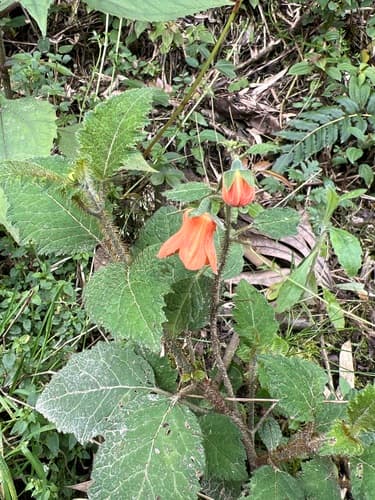
This herbaceous plant features large, deeply serrated, ovate to cordate leaves and stems covered in prominent stinging hairs. It produces distinctive pendulous, bell-shaped flowers, typically orange or salmon in color, often with intricate staminal structures.