Mora cestrum
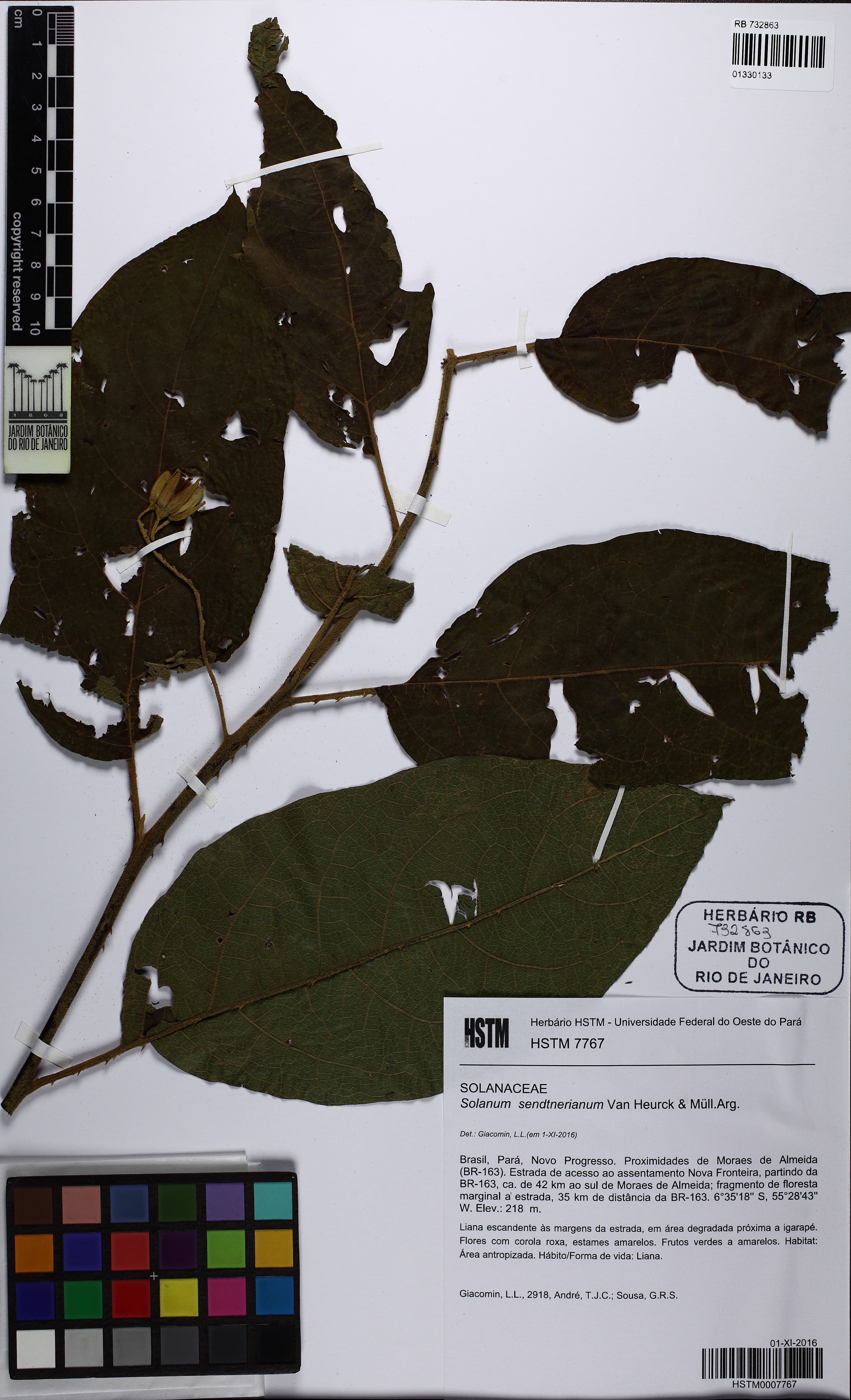
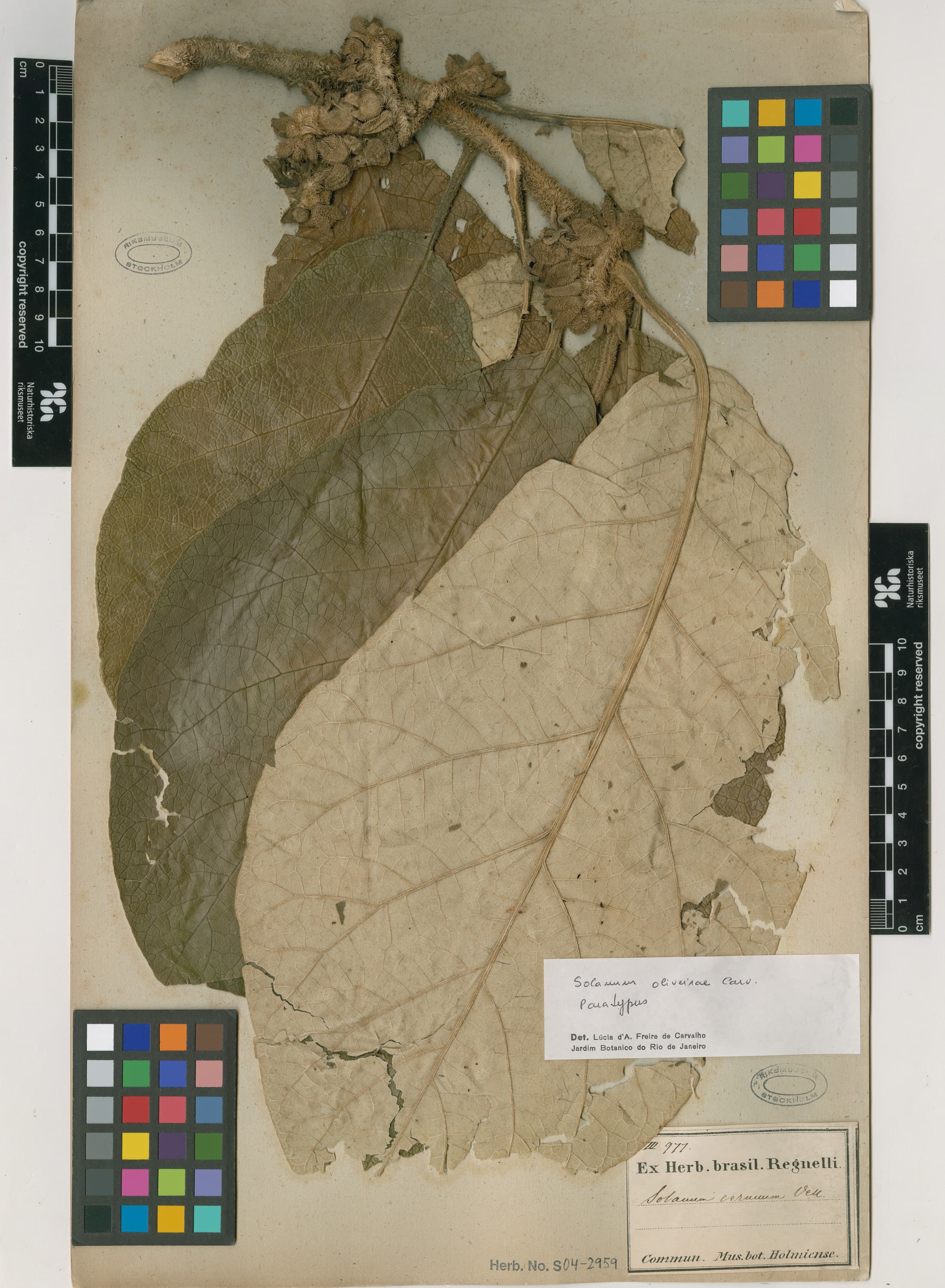
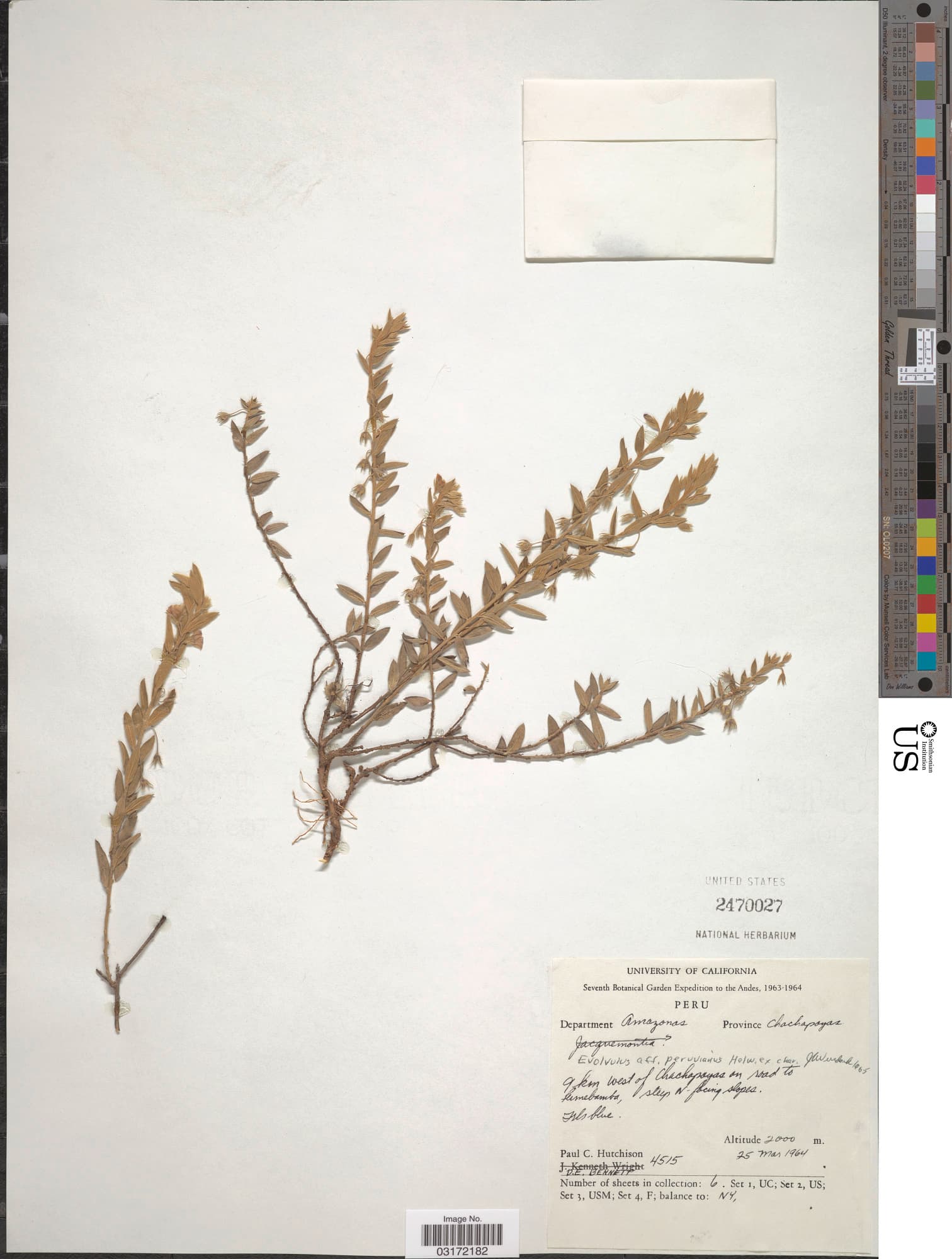
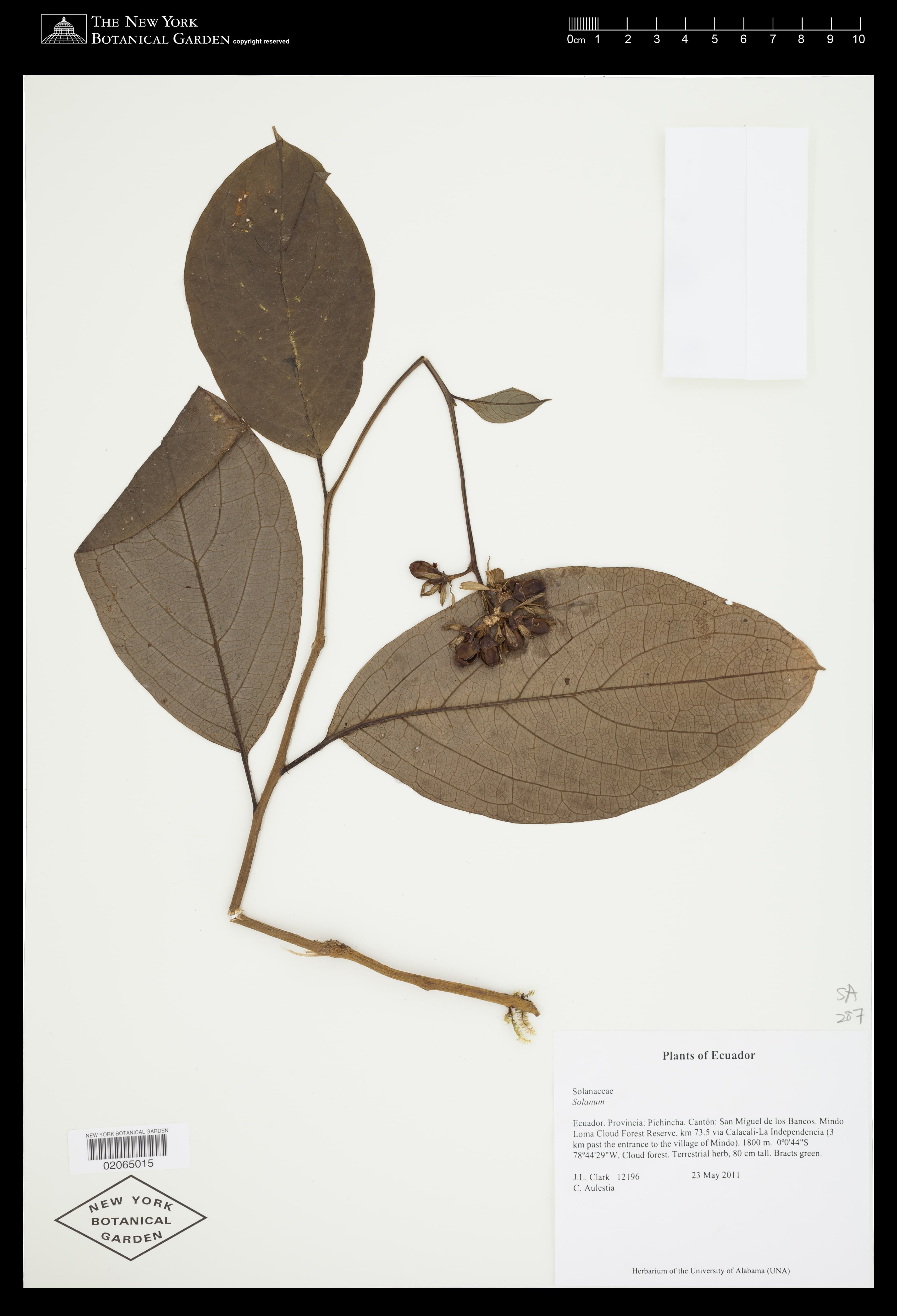
Image: The New York Botanical Garden (cc-by)
NameMora cestrum
Scientific NameCestrum morae Hunz.
Plant FamilySolanaceae
Natural HabitatNative to cloud forests of Ecuador, found at elevations around 1800 meters. It thrives in humid environments with consistent moisture and moderate temperatures.
Parts Usedleaf,flower,fruit
Medicinal Actionsanalgesic, anti-inflammatory
Traditional UsesWhile specific traditional uses for Cestrum morae are not well-documented, other species within the Cestrum genus have been traditionally employed in some cultures for their analgesic and anti-inflammatory properties, often used with extreme caution due to known toxicity.
Active Constituentssteroidal saponins, alkaloids, glycosides
Preparation Methodsinfusion, decoction, tincture, poultice
Contraindications & WarningsMany species within the Cestrum genus are known to be toxic due to the presence of steroidal glycoalkaloids, which can cause gastrointestinal upset, neurological symptoms, and other adverse effects. Ingestion should be avoided, and any traditional use requires extreme caution and expert guidance.
Cultivation NotesRequires a humid, tropical cloud forest environment with consistent moisture and moderate temperatures. Prefers well-drained soil and partial shade, mimicking its natural habitat at high elevations.
Rarityuncommon
Description
Cestrum morae is a terrestrial herb belonging to the Solanaceae family, typically growing to about 80 cm in height. It features simple, alternate leaves and produces clusters of flowers that mature into fruits.