Midnapore Creeper
NameMidnapore Creeper
Scientific NameMerremia umbellata
Common NamesMidnapore Creeper, Hogvine, Yellow Wood Rose
Plant FamilyConvolvulaceae
Natural HabitatThis plant thrives in tropical and subtropical regions, commonly found in disturbed areas such as forest edges, clearings, roadsides, and coastal thickets. It prefers moist, well-drained soils and can tolerate a range of light conditions from full sun to partial shade.
Parts Usedleaf,root
Medicinal Actionsanalgesic, anti-inflammatory, antimicrobial
Traditional UsesTraditionally, the leaves of Midnapore Creeper are used externally in poultices to treat wounds, sores, and various skin infections due to their antimicrobial and anti-inflammatory properties. Internally, decoctions made from the leaves or roots are consumed to alleviate fever, reduce pain, and manage inflammatory conditions, and are also sometimes used for digestive complaints.
Active Constituentsflavonoids, triterpenes, phenolic compounds
Preparation Methodsinfusion, decoction, poultice
Contraindications & WarningsSpecific contraindications for Merremia umbellata are not extensively documented, but general caution is advised for pregnant or lactating individuals. As with all herbal remedies, potential allergic reactions are possible, and consultation with a healthcare professional is recommended before use.
Cultivation NotesA vigorous and fast-growing climber, Midnapore Creeper prefers full sun to partial shade and moist, well-drained soil. It can be easily propagated from seeds or stem cuttings and is often considered a weed in some areas due to its rapid growth and ability to cover other vegetation.
Raritycommon
Description
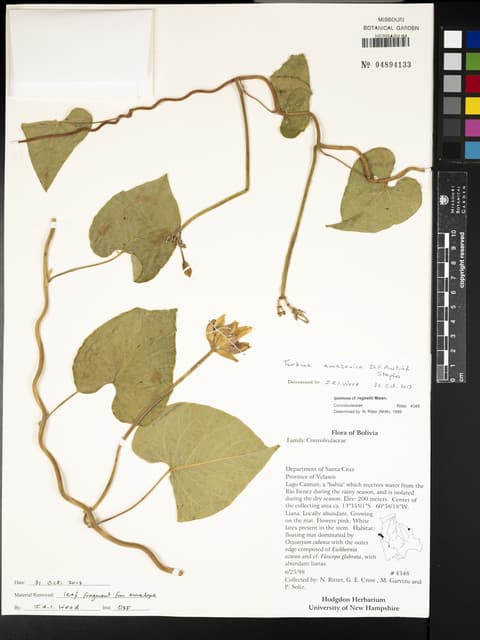
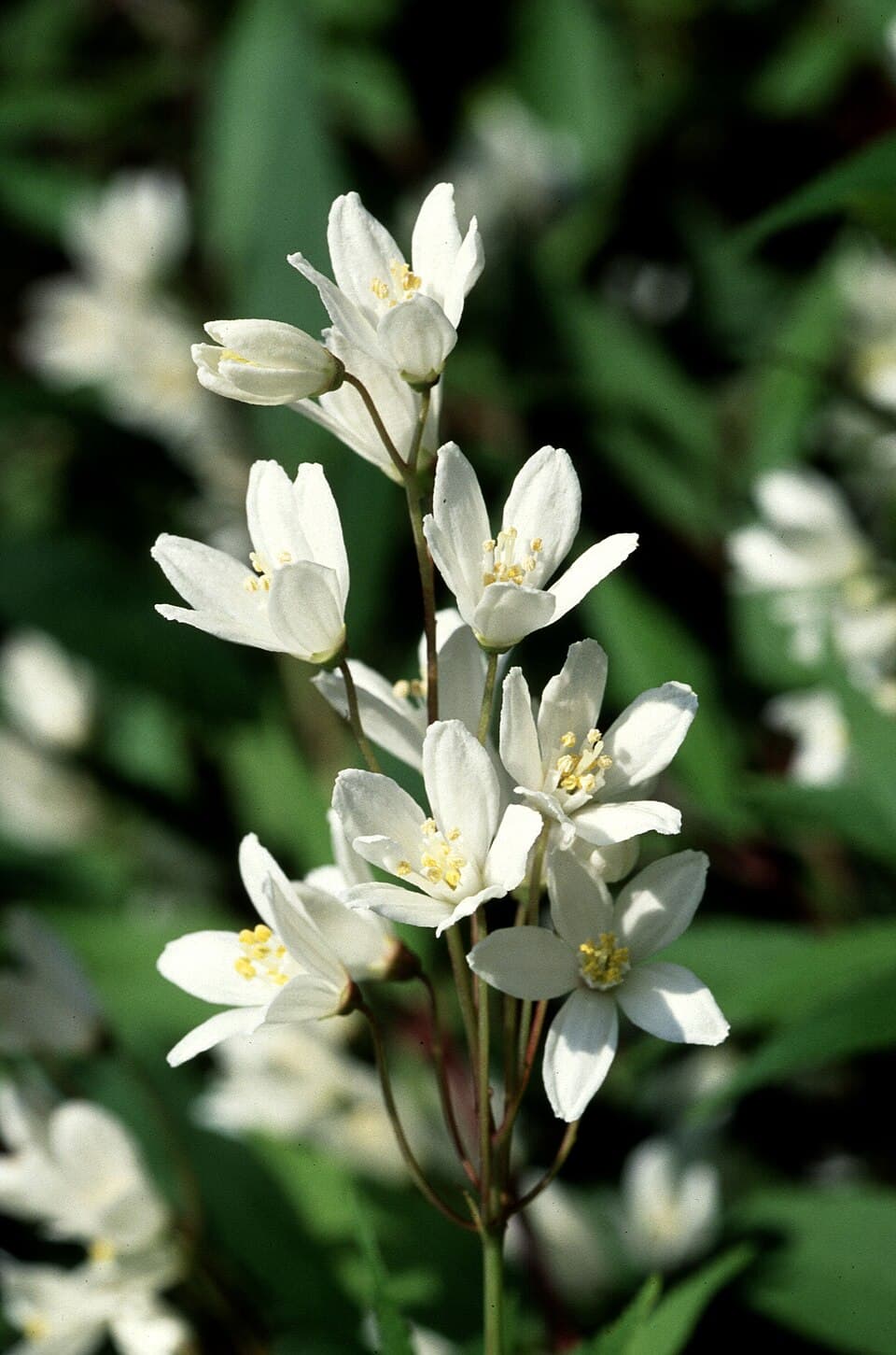
Midnapore Creeper is a perennial, herbaceous climbing vine characterized by its heart-shaped to ovate leaves and striking trumpet-shaped flowers. These flowers are typically white or pale yellow, often blooming in clusters, and the plant is known for its vigorous, sprawling growth habit.