Mexican Tarragon
NameMexican Tarragon
Scientific NameTagetes lucida
Common NamesMexican Tarragon, Mexican Marigold, Sweet Mace, Pericón, Hierba Anís
Plant FamilyAsteraceae
Natural HabitatThrives in sunny, well-drained locations, often found in open fields, disturbed areas, and along roadsides in its native range.
Parts Usedleaf,flower,whole_plant
Medicinal Actionsanalgesic, anti-inflammatory, antimicrobial, carminative, diuretic, sedative
Traditional UsesTraditionally used for digestive issues such as stomach aches, gas, and diarrhea. It is also employed as a nervine for anxiety, insomnia, and to promote vivid dreams, as well as for treating fevers, colds, and as an insect repellent.
Active ConstituentsAnethole, methyl chavicol (estragole), coumarins, thiophenes, flavonoids
Preparation Methodsinfusion, decoction, powder, essential oil
Contraindications & WarningsAvoid during pregnancy due to potential uterine stimulant effects. Large doses may cause photosensitivity. May interact with sedative medications.
Cultivation NotesPrefers full sun and well-drained soil. It is drought-tolerant once established and can be propagated by seed or cuttings. Hardy in USDA zones 8-11, often grown as an annual in colder climates.
Raritycommon
Description
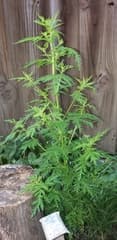
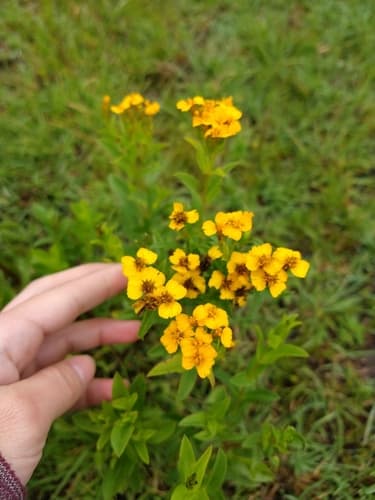
A perennial herb native to Mexico and Central America, growing up to 3 feet tall with bright green, lance-shaped leaves. It produces clusters of small, golden-yellow flowers and is known for its distinct anise-like fragrance.