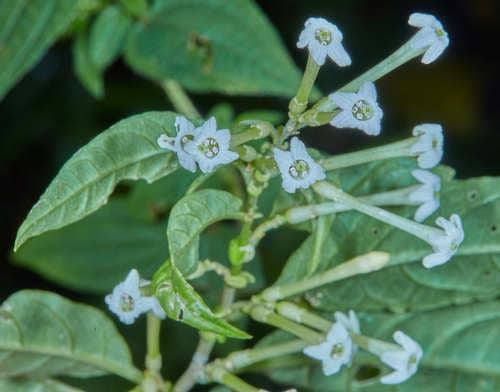
Mariquita cestrum
NameMariquita cestrum
Scientific NameCestrum mariquitense
Common NamesMariquita cestrum
Plant FamilySolanaceae
Natural HabitatNative to tropical and subtropical regions of Central and South America, this plant is often found in disturbed areas, forest edges, and open woodlands, thriving in warm, humid climates.
Parts Usedleaf
Medicinal Actionsanti-inflammatory, antimicrobial
Traditional UsesTraditional medicinal uses specifically for *Cestrum mariquitense* are not widely documented. However, some species within the *Cestrum* genus have been traditionally used externally for their purported anti-inflammatory and antimicrobial properties, often applied as poultices for skin conditions or pain. Due to the general toxicity of the genus, internal use is strongly discouraged and external use requires extreme caution.
Active Constituentssteroidal glycoalkaloids, saponins
Preparation Methodspoultice, salve
Contraindications & WarningsAll parts of *Cestrum mariquitense*, like other *Cestrum* species, are considered toxic if ingested, potentially causing severe gastrointestinal upset, neurological symptoms, and respiratory distress. It is not recommended for internal use. External application should be approached with extreme caution due to potential skin irritation or absorption of toxic compounds, and only under expert guidance.
Cultivation NotesThis plant prefers full sun to partial shade and well-drained soil. It thrives in tropical and subtropical climates and can be propagated from seeds or cuttings. It is generally considered easy to grow in suitable conditions.
Raritycommon
Description
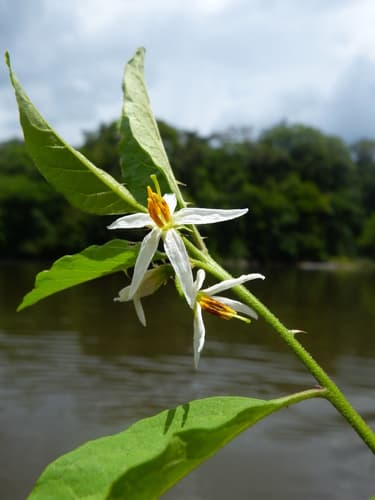
Mariquita cestrum is a shrub or small tree characterized by its simple, alternate, ovate-lanceolate leaves with entire margins. It produces clusters of small, tubular white flowers, each with five spreading lobes, typically found in axillary or terminal inflorescences.