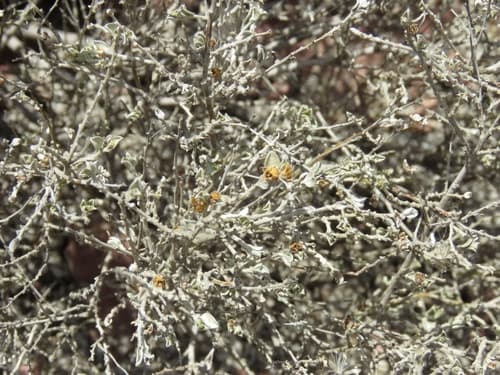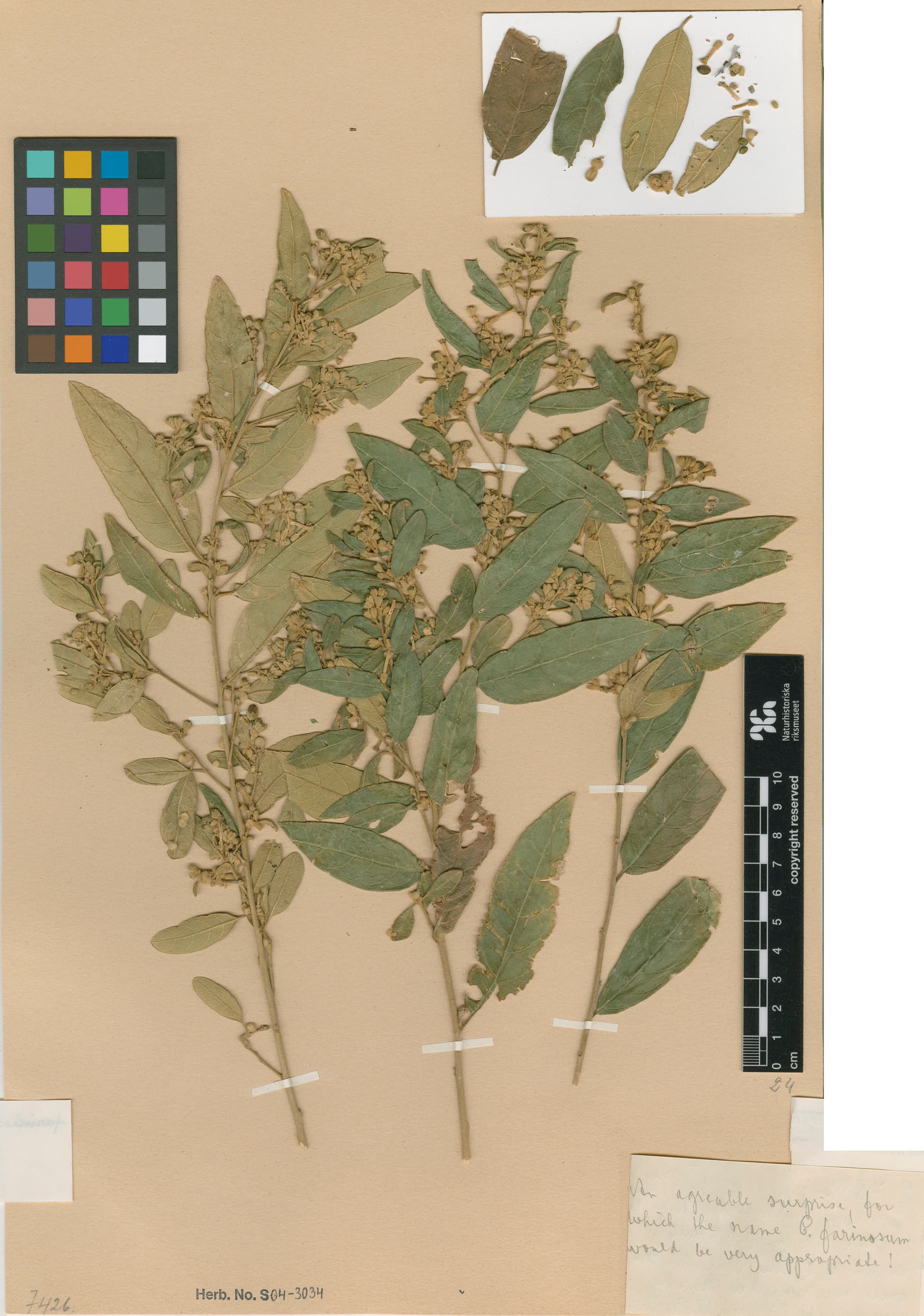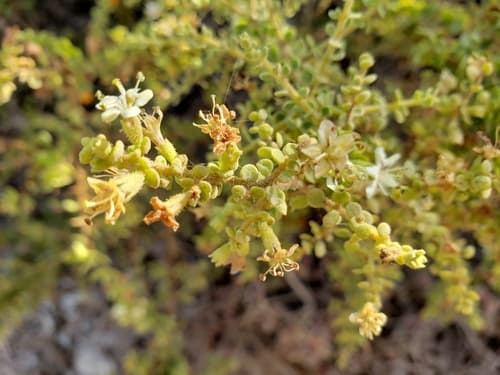
Lycium rachidocladum
NameLycium rachidocladum
Scientific NameLycium rachidocladum
Common NamesChilean Lycium, Chilean Boxthorn
Plant FamilySolanaceae
Natural HabitatNative to arid and semi-arid regions of Chile, it thrives in dry scrublands, coastal areas, and rocky slopes, often tolerating harsh, xeric conditions.
Parts Usedleaf,flower,fruit
Medicinal Actionsantioxidant, anti-inflammatory, adaptogen
Traditional UsesWhile specific traditional uses for Lycium rachidocladum are less documented than for other Lycium species (like Goji berry), plants in this genus are generally valued for their potential to support overall vitality, enhance immune function, and promote eye health. The berries are often consumed for their nutritional and adaptogenic properties.
Active Constituentspolysaccharides, carotenoids, flavonoids, betaine
Preparation Methodsinfusion, decoction, powder
Contraindications & WarningsAs with other Lycium species, caution is advised for individuals on anticoagulant medications (e.g., warfarin) due to potential interactions. It may also interact with medications for diabetes or high blood pressure. Pregnant or breastfeeding women should consult a healthcare professional before use.
Cultivation NotesThis drought-tolerant shrub prefers full sun and well-drained soil, making it suitable for xeriscaping in arid and semi-arid climates. It is relatively low-maintenance once established and can withstand poor soil conditions.
Rarityuncommon
Description
Lycium rachidocladum is a small, often sprawling shrub characterized by its small, somewhat fleshy, obovate leaves and tiny, pale, tubular flowers. The flowers typically have five petals and prominent stamens, appearing singly or in small clusters along the stems.