Lycium ciliatum
NameLycium ciliatum
Scientific NameLycium ciliatum
Common NamesFringed Desert Thorn, Fringed Boxthorn
Plant FamilySolanaceae
Natural HabitatNative to arid and semi-arid environments, including deserts, scrublands, and rocky slopes in regions such as the southwestern United States and northern Mexico. It thrives in dry, well-drained soils.
Parts Usedfruit,leaf,root
Medicinal Actionsadaptogen, anti-inflammatory, antioxidant, diuretic, nervine
Traditional UsesTraditionally, Lycium species, including the fruits, have been used as a general tonic to enhance vitality, support immune function, and improve vision. They are also employed for kidney and liver support, and to help regulate blood sugar and blood pressure.
Active ConstituentsPolysaccharides, Carotenoids, Flavonoids, Vitamins, Amino Acids
Preparation Methodsinfusion, decoction, tincture, powder
Contraindications & WarningsPotential interactions with anticoagulant medications (blood thinners) due to coumarins. May affect blood sugar and blood pressure, so caution is advised for individuals on related medications. Pregnant and nursing women should consult a healthcare professional before use.
Cultivation NotesPrefers full sun exposure and well-drained, sandy or rocky soils. It is highly drought-tolerant once established and requires minimal watering. Can be grown in USDA hardiness zones 8-11.
Rarityuncommon
Description
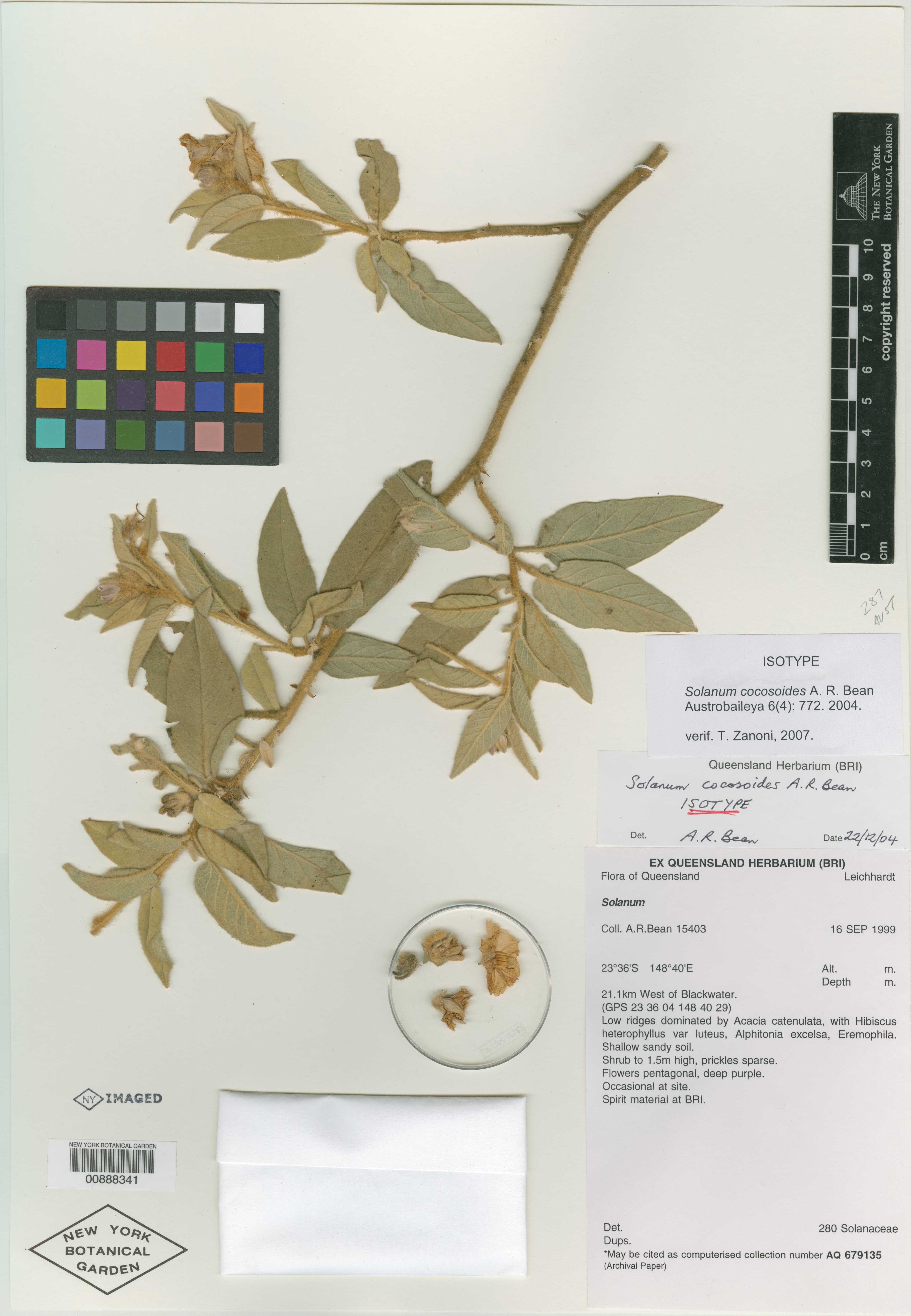
Lycium ciliatum is a thorny shrub native to arid regions, characterized by small, often somewhat fleshy leaves that can be ciliate (fringed). It produces small, star-shaped flowers, typically white to pale lavender with prominent darker venation in the throat, followed by small berries.