Lycianthes peninsularis
NameLycianthes peninsularis
Scientific NameLycianthes peninsularis
Plant FamilySolanaceae
Natural HabitatEndemic to Baja California Sur, Mexico, found in arroyos, canyons, and rocky slopes, often in shaded or semi-shaded environments.
Parts Used
Traditional UsesNo widely documented traditional medicinal uses for Lycianthes peninsularis. The genus Lycianthes is part of the Solanaceae family, which contains both edible and toxic species, and caution is advised regarding its use.
Active ConstituentsSteroidal alkaloids, Saponins, Flavonoids
Contraindications & WarningsPotential toxicity due to the presence of steroidal alkaloids common in the Solanaceae family. Not recommended for internal use without expert identification and guidance.
Cultivation NotesPrefers well-drained soil and partial shade in warm climates. It is drought-tolerant once established and can be propagated from seed or cuttings.
Rarityuncommon
Description
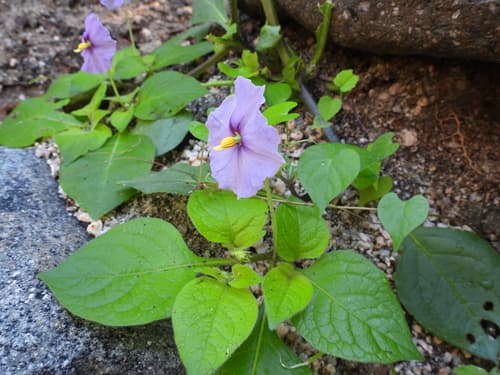
A perennial herb or subshrub, often sprawling or climbing, characterized by ovate green leaves and solitary, axillary, light purple to lavender flowers with prominent yellow anthers forming a cone. It typically grows close to the ground, sometimes scrambling over rocks or other vegetation.