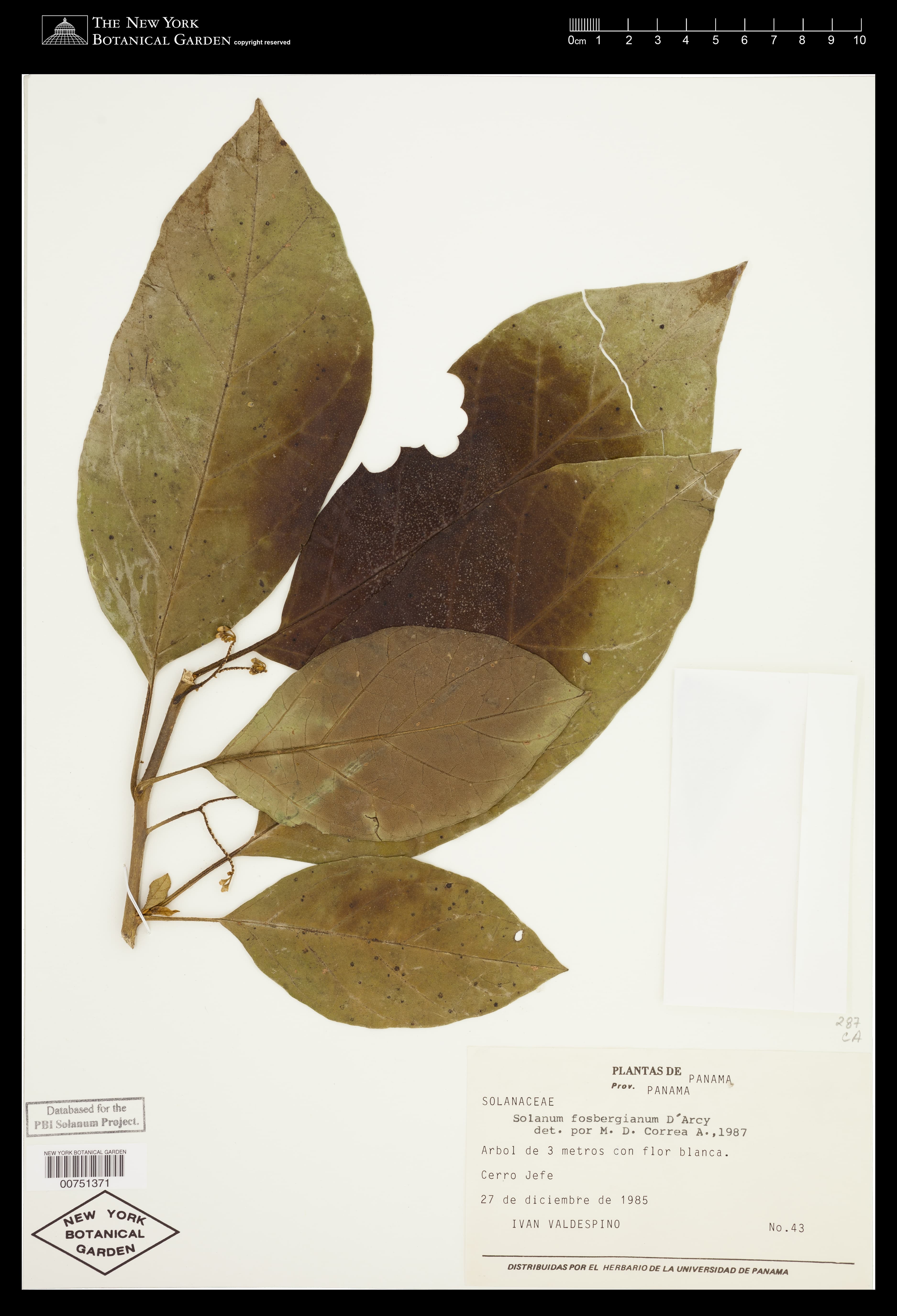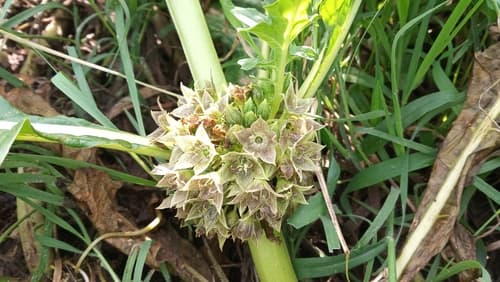
Lycianthes laevis
NameLycianthes laevis
Scientific NameLycianthes laevis
Common NamesWild Chili, Smooth Lycianthes
Plant FamilySolanaceae
Natural HabitatNative to tropical and subtropical regions of Central and South America, often found in disturbed areas, forest margins, and open woodlands.
Parts Usedfruit,leaf
Medicinal Actionsantioxidant, antimicrobial
Traditional UsesTraditional medicinal uses for Lycianthes laevis are not widely documented in ethnobotanical literature. Some species within the Lycianthes genus have edible fruits, and some are used locally for minor ailments, but specific applications for L. laevis are scarce.
Active ConstituentsAlkaloids, Flavonoids, Phenolic compounds
Preparation Methodsinfusion, powder
Contraindications & WarningsDue to its membership in the Solanaceae family, caution is advised as some species contain potentially toxic alkaloids. Specific contraindications for Lycianthes laevis are not well-researched, but consumption of large quantities should be avoided.
Cultivation NotesPrefers warm, tropical to subtropical climates with well-drained soil and partial to full sun exposure. It can be grown from seed.
Rarityuncommon
Description
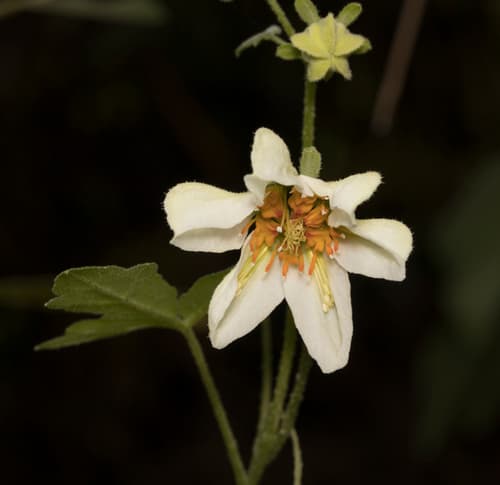
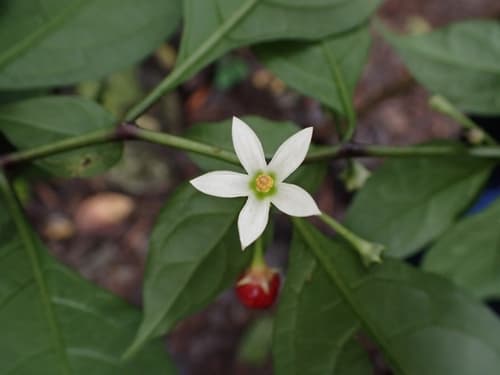
Lycianthes laevis is a perennial herb or subshrub characterized by its simple, ovate green leaves. It produces small, star-shaped white flowers with a yellow-green center, which develop into small, spherical red fruits.