Lovage
Image: mogens thornberg (cc-by)
NameLovage
Scientific NameLevisticum officinale
Common NamesLovage, Garden Lovage, Maggi Plant
Plant FamilyApiaceae
Natural HabitatNative to mountainous regions of Southern Europe and Southwestern Asia, Lovage thrives in moist, well-drained soil. It is often found growing wild in meadows, along streams, and is widely cultivated in gardens.
Parts Usedleaf,root,seed
Medicinal Actionsdiuretic, carminative, expectorant, anti-inflammatory, antimicrobial
Traditional UsesTraditionally, Lovage has been used as a diuretic to support urinary tract health and aid in the expulsion of kidney stones. It acts as a carminative to alleviate digestive issues such as bloating and indigestion, and as an expectorant for various respiratory conditions. Historically, it was also employed to stimulate menstruation and as a general tonic.
Active Constituentsphthalides, ligustilide, butylphthalide, coumarins, essential oils
Preparation Methodsinfusion, decoction, tincture, essential oil, powder
Contraindications & WarningsLovage should be avoided during pregnancy due to its potential emmenagogue effects. Individuals with kidney inflammation should use it with caution. It can also increase photosensitivity, so sun exposure should be limited when using this herb.
Cultivation NotesLovage grows best in full sun to partial shade with rich, moist, well-drained soil. It can be propagated by seed or by dividing its roots. As a hardy perennial, it can grow quite large and requires ample space.
Raritycommon
Description
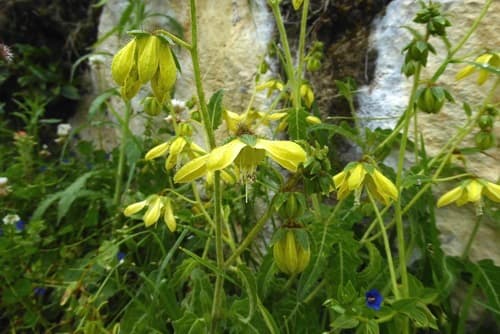
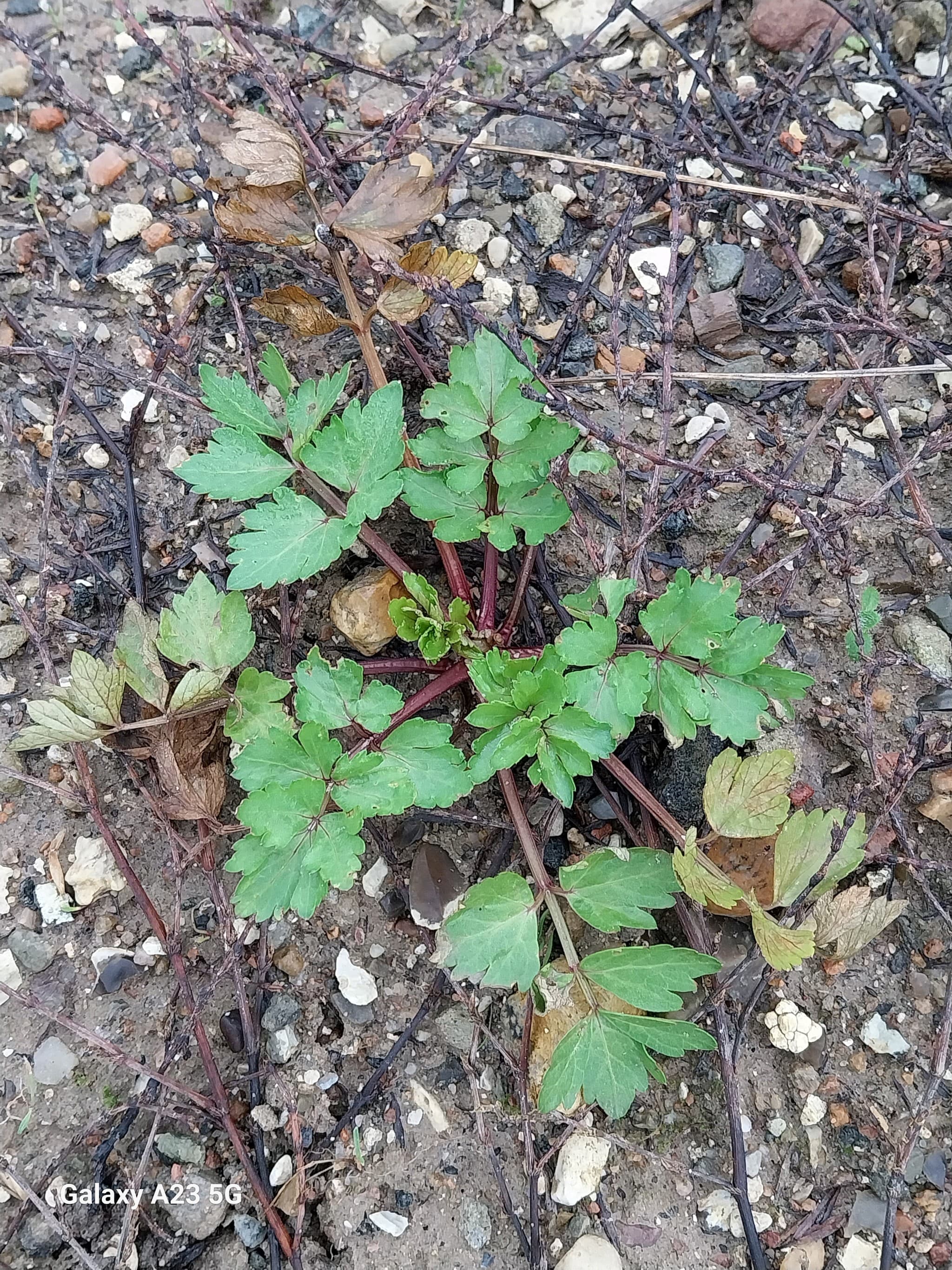
Lovage is a tall, perennial herb characterized by its large, celery-like, dark green, glossy leaves that are deeply divided. It produces clusters of yellowish-green flowers arranged in umbels, which are followed by ribbed seeds. The entire plant possesses a strong, distinctive celery-like aroma and flavor.