Loasa illapelina
NameLoasa illapelina
Scientific NameLoasa illapelina
Common NamesOrtiga brava
Plant FamilyLoasaceae
Natural HabitatNative to arid and semi-arid regions of Chile, often found on rocky slopes, roadsides, and disturbed areas.
Parts Usedwhole_plant
Medicinal Actionsanalgesic, anti-inflammatory
Traditional UsesTraditionally, some Loasa species, including those with stinging hairs, have been used externally as a counter-irritant for rheumatic pain, arthritis, and localized inflammation. The stinging sensation is believed to stimulate blood flow and alleviate deeper pain, similar to the use of stinging nettle (Urtica dioica) in 'urtication therapy'.
Active ConstituentsIrritant compounds
Preparation Methodspoultice, powder
Contraindications & WarningsDirect skin contact causes severe irritation and stinging. Not recommended for internal use without expert guidance due to potential toxicity and irritant effects on mucous membranes. Avoid contact with eyes and open wounds.
Cultivation NotesPrefers full sun and well-drained, sandy or rocky soils. Drought-tolerant once established. Requires careful handling due to stinging hairs.
Rarityuncommon
Description
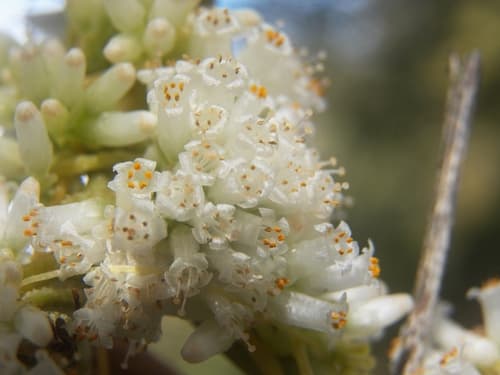
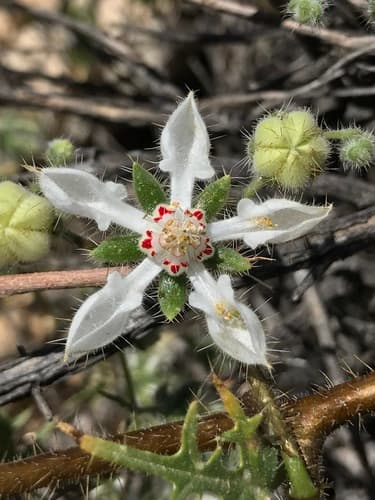
A herbaceous plant native to Chile, characterized by its striking white, star-shaped flowers with a red-spotted center and prominent stamens. The entire plant, including stems and leaves, is densely covered in stinging hairs, which can cause significant skin irritation upon contact.