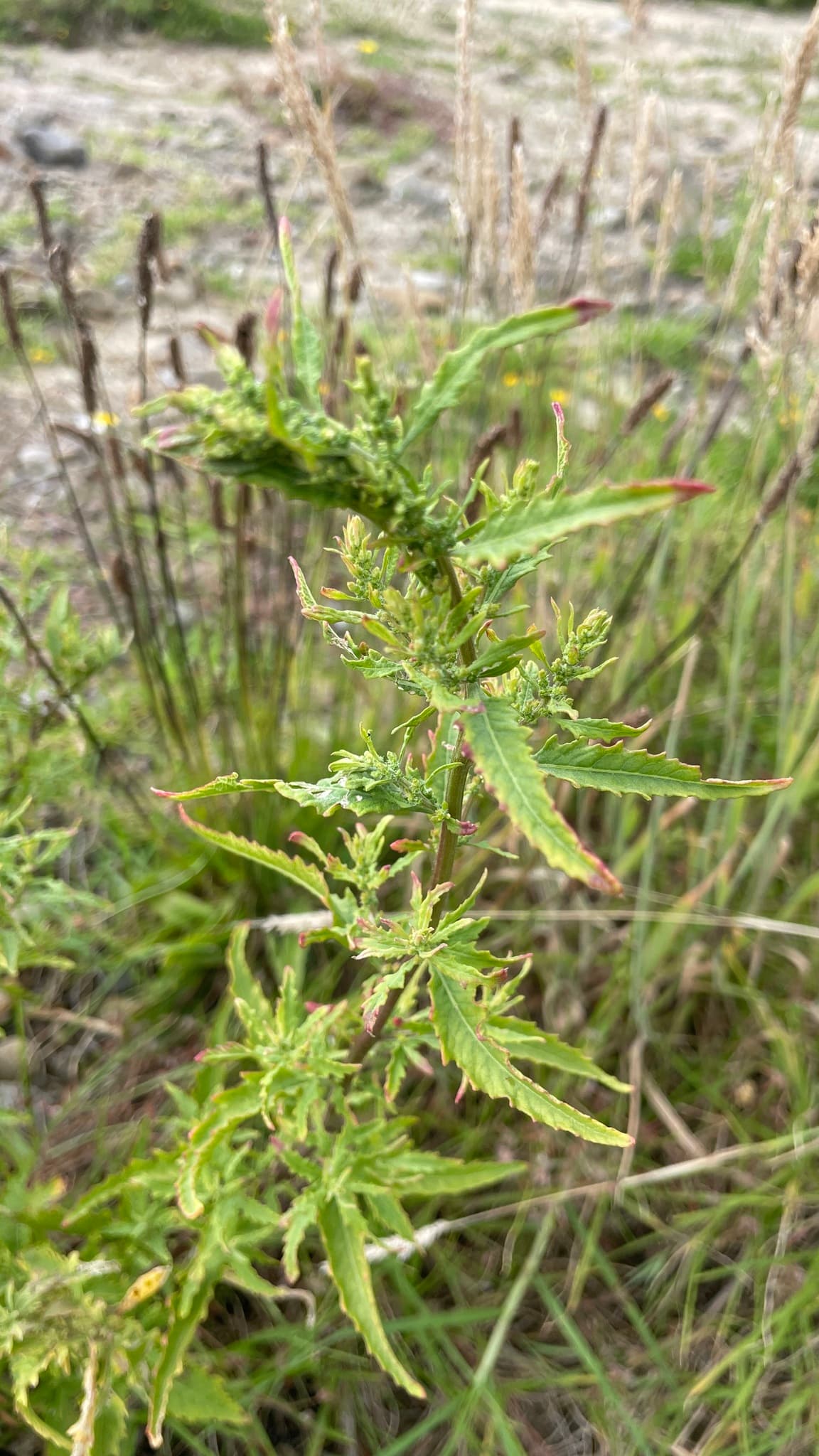
Epazote
Image: Jordy Vitali (cc-by-nc)
NameEpazote
Scientific NameDysphania ambrosioides
Common NamesMexican Tea, Wormseed, Jesuit's Tea, Paico, Pigweed
Plant FamilyAmaranthaceae
Natural HabitatNative to Central and South America, Epazote is now widely naturalized in warm temperate to subtropical regions globally. It thrives in disturbed soils, roadsides, waste areas, and cultivated fields, often considered a weed.
Parts Usedleaf,seed
Medicinal Actionscarminative, antimicrobial, anti-inflammatory
Traditional UsesTraditionally, Epazote has been primarily used as an anthelmintic to expel intestinal parasites such as roundworms, hookworms, and tapeworms. It is also valued for its carminative properties, helping to relieve flatulence, stomach cramps, and other digestive discomforts, often added to bean dishes for this purpose.
Active ConstituentsAscaridole, Limonene, p-Cymene
Preparation Methodsinfusion, tincture, powder, essential oil
Contraindications & WarningsEpazote is highly toxic in large doses due to its ascaridole content and should be used with extreme caution. It is contraindicated for pregnant or breastfeeding women, young children, and individuals with kidney or liver disease. Overdose can cause nausea, vomiting, dizziness, convulsions, and can be fatal; the essential oil is particularly dangerous and generally not recommended for internal use.
Cultivation NotesEpazote is easy to cultivate from seed in full sun and well-drained soil, tolerating a range of soil conditions, including poor soils. It can readily self-seed and may become invasive in favorable climates.
Raritycommon
Description
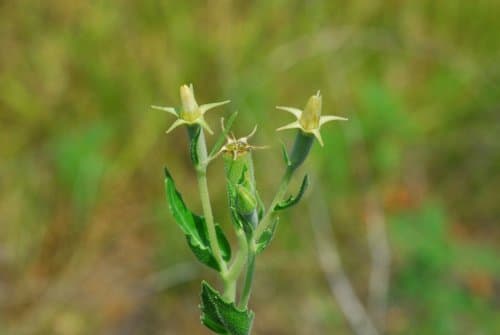
Epazote is an aromatic annual or short-lived perennial herb, growing up to 1 meter tall, characterized by its lanceolate to ovate, irregularly toothed leaves. It produces small, greenish flowers clustered in dense spikes and emits a strong, pungent aroma often described as medicinal or gasoline-like.