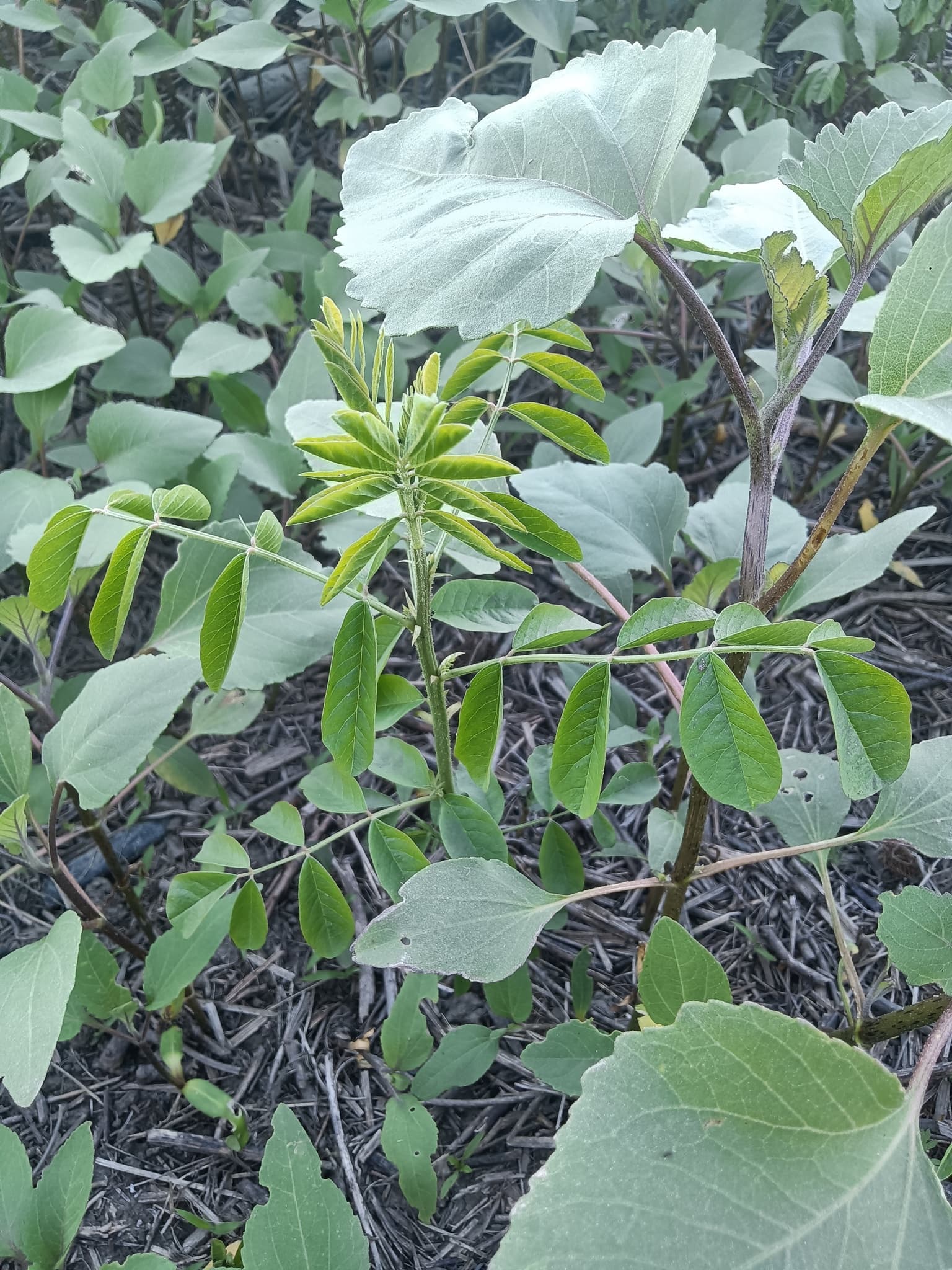
Licorice Root
Image: Carmelo Allegra (cc0)
NameLicorice Root
Scientific NameGlycyrrhiza glabra
Common NamesLicorice, Liquorice, Sweet Root, Common Licorice
Plant FamilyFabaceae
Natural HabitatNative to Southern Europe and parts of Asia, including India. It thrives in deep, fertile, well-drained soils, often found in river valleys and plains, preferring full sun.
Parts Usedroot
Medicinal Actionsadaptogen, anti-inflammatory, antimicrobial, antioxidant, demulcent, expectorant
Traditional UsesTraditionally, Licorice Root has been used to soothe respiratory issues such as coughs, sore throats, and bronchitis due to its demulcent and expectorant properties. It is also employed for digestive complaints like ulcers and heartburn, as an anti-inflammatory, and for adrenal support.
Active ConstituentsGlycyrrhizin, Glycyrrhizic acid, Liquiritin, Isoliquiritin, Triterpenoids, Coumarins
Preparation Methodsinfusion, decoction, tincture, powder
Contraindications & WarningsAvoid use in individuals with high blood pressure, heart conditions, kidney disease, liver disease, or potassium deficiency. It is contraindicated during pregnancy. Licorice can interact with diuretics, corticosteroids, and blood pressure medications; prolonged use or high doses may lead to pseudoaldosteronism.
Cultivation NotesLicorice prefers full sun and deep, moist, well-drained soil. It can be propagated from root cuttings or seeds, requiring a long growing season. Roots typically mature for harvest after 2-3 years.
Raritycommon
Description
Glycyrrhiza glabra is a herbaceous perennial legume, typically growing up to 1 meter tall. It features distinctive pinnate leaves with multiple leaflets and produces small, pale blue to purple flowers. The plant is primarily valued for its extensive, sweet-tasting root system and rhizomes.