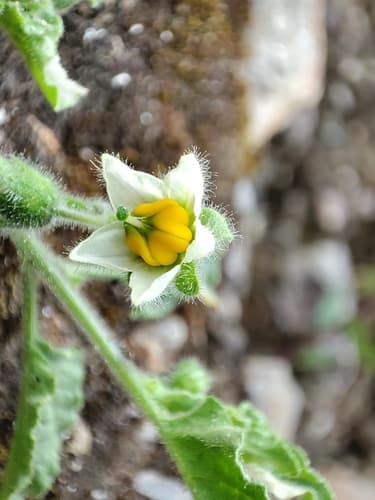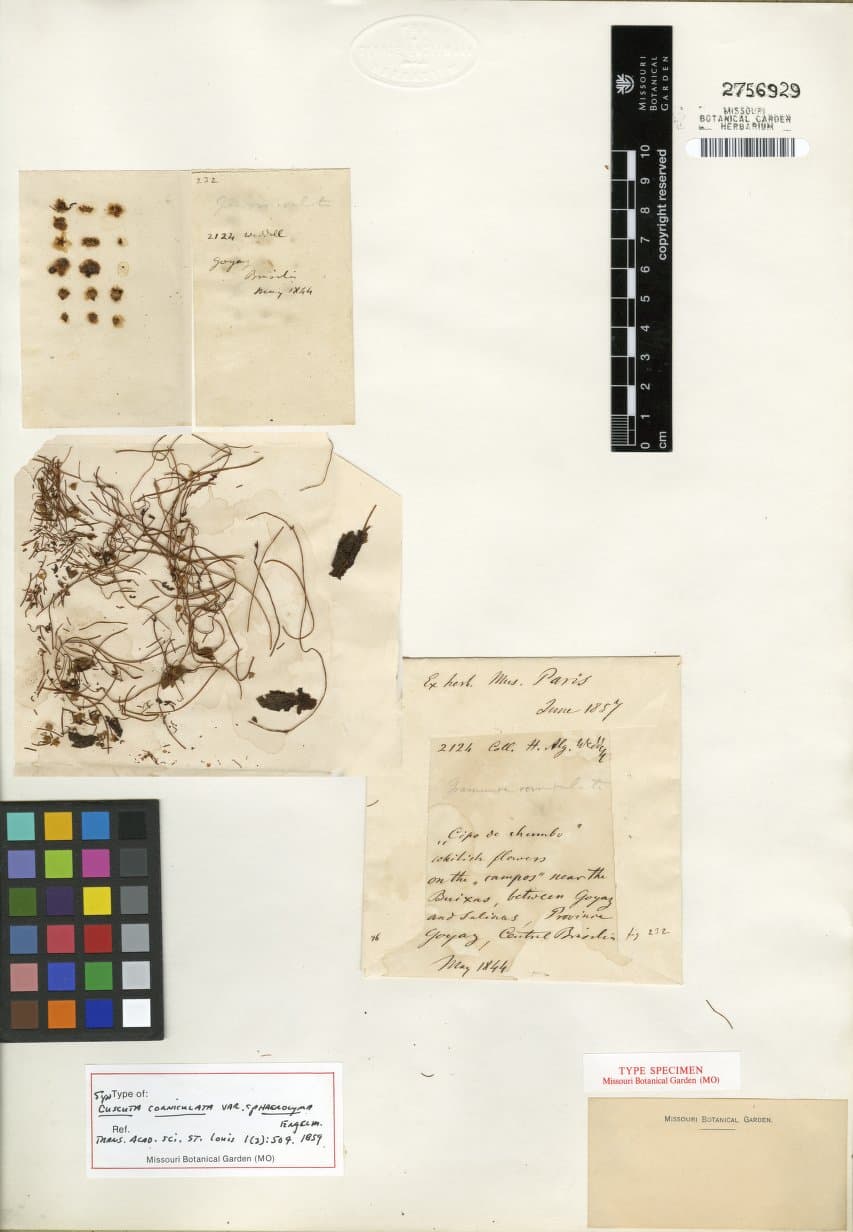
Cuscuta corniculata
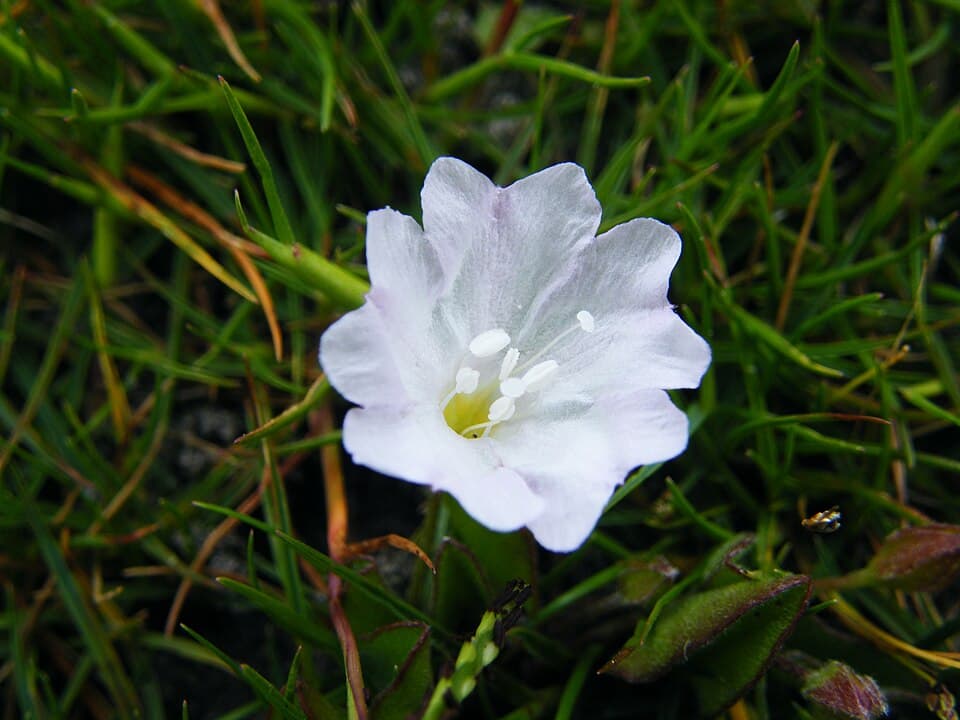
Image: Hugh A. Weddell (cc-by-nc)
NameCuscuta corniculata
Scientific NameCuscuta corniculata
Common NamesDodder, Horned Dodder, Witch's Hair
Plant FamilyConvolvulaceae
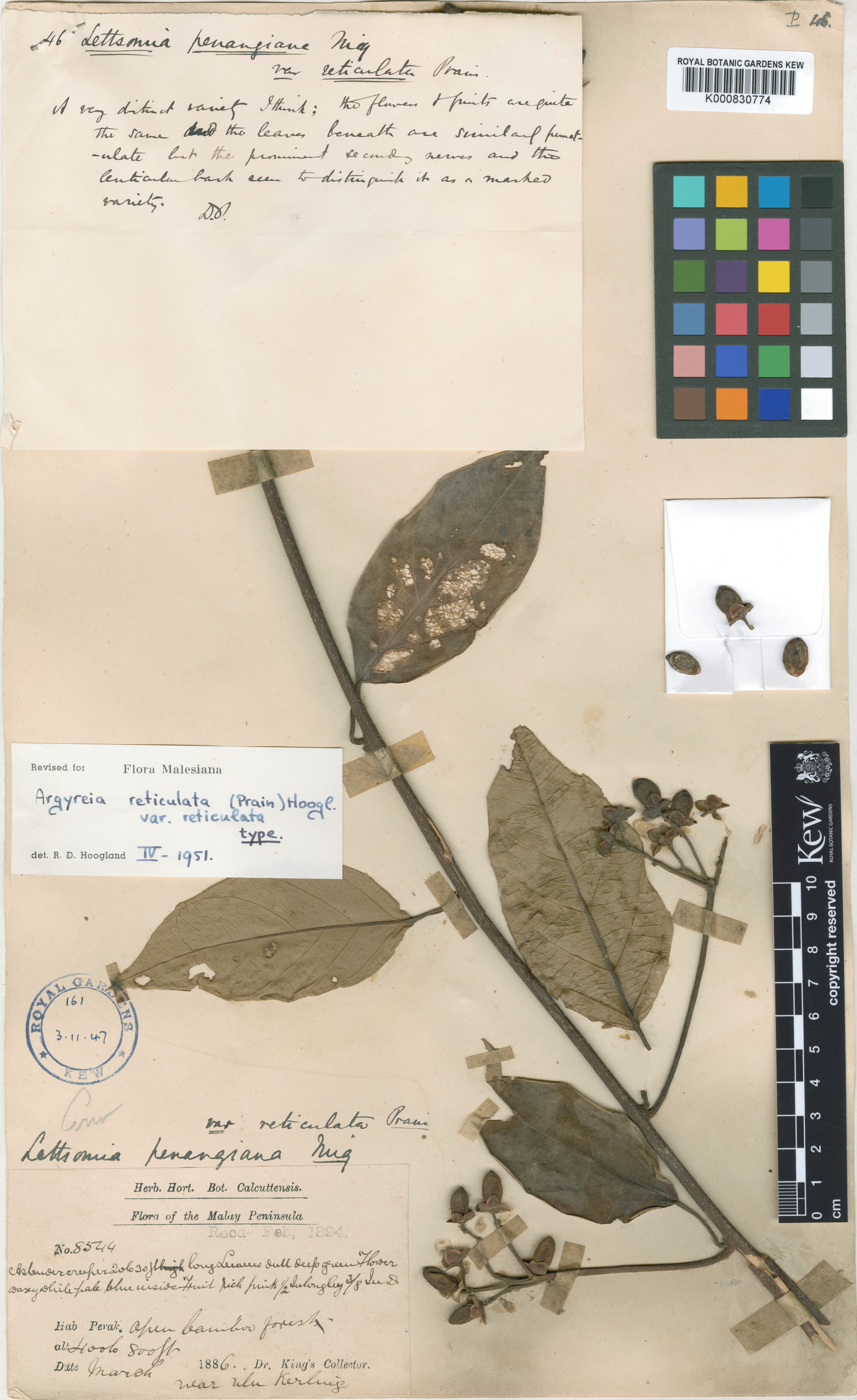
Natural HabitatThis parasitic plant thrives in open fields, disturbed areas, and along roadsides, attaching to a wide variety of herbaceous and woody host plants. It is native to tropical and subtropical regions, including parts of South America like Brazil, as indicated by the specimen label.
Parts Usedwhole_plant,seed
Medicinal Actionsantioxidant, anti-inflammatory, diuretic
Traditional UsesIn traditional medicine, various Cuscuta species, including those related to C. corniculata, are used to support liver and kidney health, improve vision, and strengthen bones. They are also employed for conditions such as impotence, premature ejaculation, and frequent urination, and sometimes as a general tonic or for skin ailments.
Active ConstituentsFlavonoids, Lignans, Polysaccharides, Saponins
Preparation Methodsinfusion, decoction, tincture, powder
Contraindications & WarningsDue to its parasitic nature and potential active compounds, caution is advised. Specific contraindications may include pregnancy and lactation. Interactions with certain medications, particularly blood thinners, should be considered, though specific data for C. corniculata is limited.
Cultivation NotesCuscuta corniculata is a parasitic plant that cannot be cultivated independently. It requires a suitable host plant to germinate and establish, forming haustoria to absorb nutrients. It typically thrives in sunny conditions with abundant host vegetation.
Raritycommon
Description
Cuscuta corniculata is a parasitic annual vine characterized by its thin, thread-like, yellowish to reddish-brown stems that twine around host plants. It lacks true leaves and roots, instead forming haustoria to extract nutrients from its host. Small, clustered flowers develop along the stems, leading to small, capsular fruits.