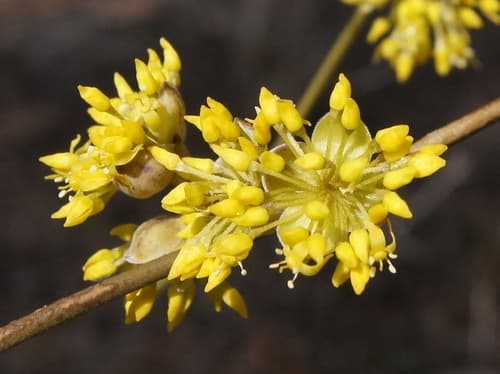
Kraal Honey-thorn
NameKraal Honey-thorn
Scientific NameLycium cinereum
Common NamesKraal Honey-thorn, Kalahari Boxthorn, Cape Honey-thorn, Doringbraam
Plant FamilySolanaceae
Natural HabitatNative to arid and semi-arid regions of Southern Africa, it thrives in sandy or rocky soils, scrublands, and disturbed areas, demonstrating high drought tolerance.
Parts Usedleaf,root,fruit
Medicinal Actionsantioxidant, anti-inflammatory, antimicrobial
Traditional UsesThe fruits are traditionally consumed for their nutritional value. In traditional African medicine, infusions or decoctions of the leaves and roots have been used to treat fevers, colds, stomach ailments, and as a general tonic. Leaves are sometimes applied topically for skin conditions.
Active ConstituentsCarotenoids, Polysaccharides, Flavonoids, Alkaloids, Vitamins
Preparation Methodsinfusion, decoction, powder, fresh consumption
Contraindications & WarningsGenerally considered safe when consumed in traditional amounts. However, individuals on anticoagulant medication should exercise caution due to potential interactions, as with other Lycium species. Pregnant or breastfeeding women should consult a healthcare professional.
Cultivation NotesThis plant is highly drought-tolerant and prefers full sun exposure and well-drained soil. It can be propagated from seeds or cuttings and requires minimal water once established, making it suitable for xeriscaping.
Raritycommon
Description
A spiny, woody shrub typically growing up to 2 meters tall, characterized by small, often fleshy, grey-green leaves. It produces numerous tubular, purplish-pink flowers followed by small, edible red berries.