Kordofan Morning Glory
NameKordofan Morning Glory
Scientific NameIpomoea cordofana
Common NamesKordofan Morning Glory, Kordofan Bindweed
Plant FamilyConvolvulaceae
Natural HabitatNative to tropical Africa, particularly prevalent in semi-arid regions, savannas, grasslands, and disturbed areas. It thrives in sandy or loamy soils.
Parts Usedroot,leaf,whole_plant
Medicinal Actionsanti-inflammatory, antimicrobial, antioxidant
Traditional UsesTraditionally, the roots of Ipomoea cordofana are used as a strong purgative for treating constipation and abdominal pains. The leaves can be applied topically as a poultice for skin conditions, wounds, and sores, and the plant is also used for fevers and general debility in some traditional African medicine systems.
Active ConstituentsGlycosidic resins, Flavonoids, Alkaloids
Preparation Methodsdecoction, infusion, poultice, powder
Contraindications & WarningsDue to its potent purgative effects, Ipomoea cordofana should be used with caution, especially by pregnant women, young children, or individuals with inflammatory bowel conditions. Overdose can lead to severe diarrhea and dehydration.
Cultivation NotesThis plant prefers full sun exposure and well-drained soil. It is drought-tolerant once established and can be propagated from seeds or root cuttings, thriving in warm climates.
Raritycommon
Description
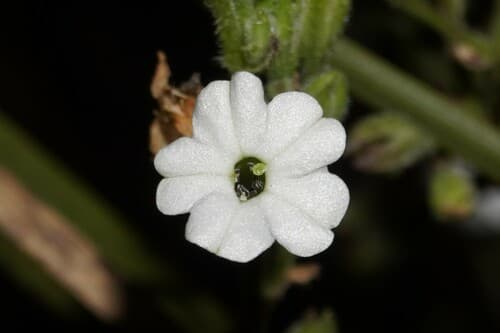
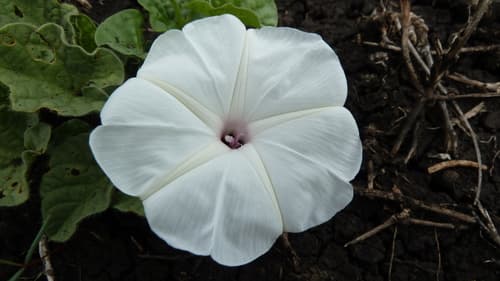
Ipomoea cordofana is a herbaceous perennial vine characterized by its large, showy white, trumpet-shaped flowers, often with a purplish throat. It typically features cordate or lobed leaves and grows from a tuberous rootstock.