Juniper
NameJuniper
Scientific NameJuniperus communis
Common NamesJuniper, Common Juniper, Juniper Berry
Plant FamilyCupressaceae
Natural HabitatWidespread across the Northern Hemisphere, found in diverse habitats including forests, heathlands, rocky slopes, and coastal areas, often preferring well-drained, sunny locations.
Parts Usedfruit,leaf
Medicinal Actionsdiuretic, antimicrobial, carminative, anti-inflammatory, antioxidant
Traditional UsesTraditionally, juniper berries have been used as a diuretic for urinary tract infections and kidney stones, a digestive aid for indigestion and flatulence, and to stimulate appetite. Topically, preparations have been used for rheumatic pain and skin conditions.
Active ConstituentsVolatile oils (e.g., alpha-pinene, sabinene, myrcene), Flavonoids, Resins, Tannins
Preparation Methodsinfusion, decoction, tincture, essential oil, powder
Contraindications & WarningsNot recommended for pregnant women (can stimulate uterine contractions) or individuals with kidney inflammation or severe kidney disease. Avoid prolonged use. May interact with lithium and antidiabetic medications.
Cultivation NotesJuniper prefers full sun and well-drained soil, tolerating a wide range of soil types including poor and rocky soils. It is drought-tolerant once established and can be propagated from seed or cuttings.
Raritycommon
Description
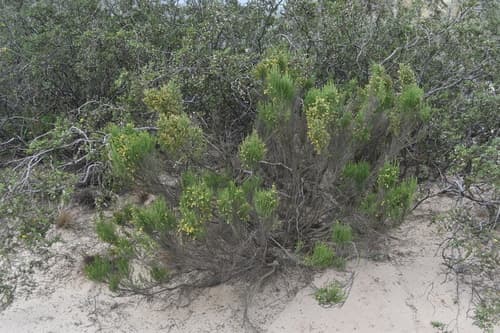
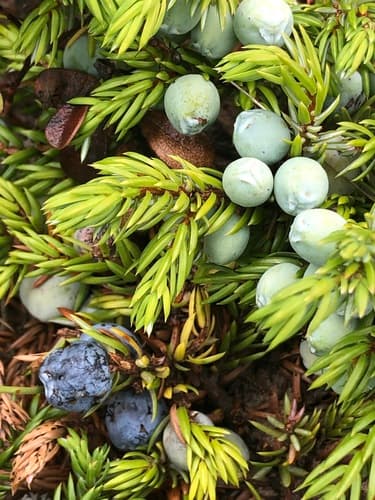
A coniferous shrub or small tree characterized by sharp, needle-like leaves arranged in whorls of three. It produces fleshy, berry-like cones that mature from green to a dark blue-black over 1-3 years.