Japanese bindweed
NameJapanese bindweed
Scientific NameCalystegia japonica
Common NamesJapanese bindweed, Japanese false bindweed
Plant FamilyConvolvulaceae
Natural HabitatNative to East Asia, it thrives in a variety of habitats including grasslands, forest edges, roadsides, cultivated fields, and disturbed areas, often preferring moist, well-drained soils.
Parts Usedwhole_plant,root
Medicinal Actionsdiuretic, anti-inflammatory
Traditional UsesTraditionally used in some Asian herbal medicine systems for its diuretic properties, to treat edema, promote urination, and as a mild laxative for constipation. It has also been applied for inflammatory conditions.
Active Constituentsresin glycosides, flavonoids, calystegins
Preparation Methodsinfusion, decoction, powder
Contraindications & WarningsDue to its purgative effects, it should be used with caution, especially in pregnant or breastfeeding women, and individuals with severe gastrointestinal conditions.
Cultivation NotesA vigorous, fast-growing perennial vine that can be invasive. It prefers full sun to partial shade and well-drained soil. Easily propagated by seed or rhizomes.
Raritycommon
Description
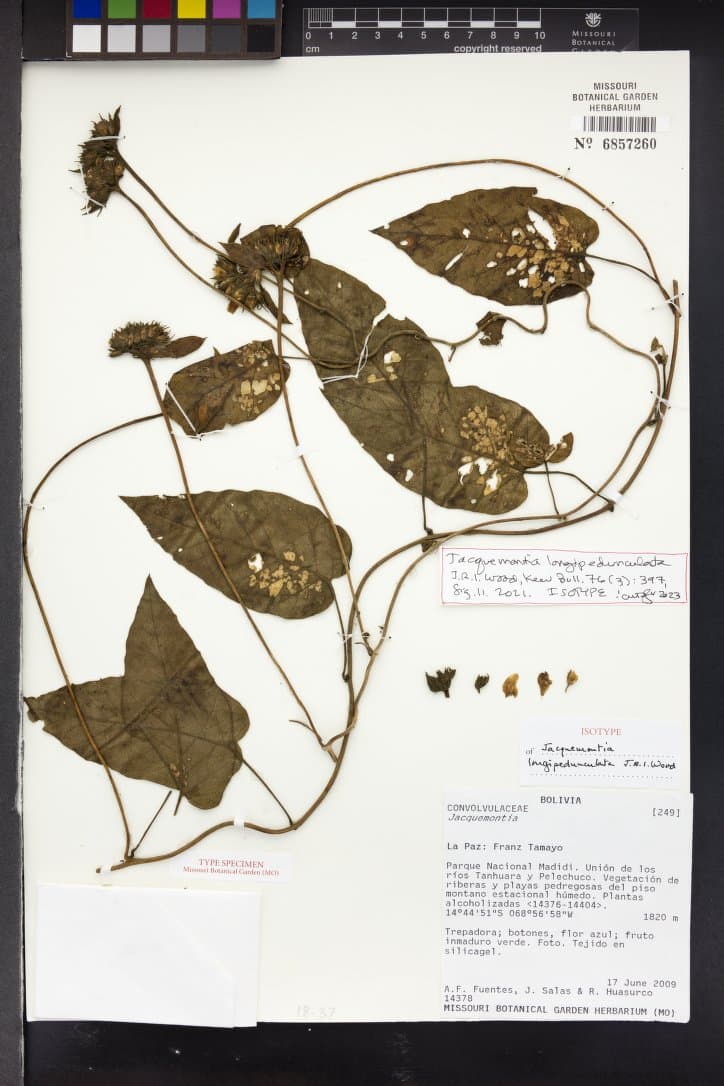
Calystegia japonica is a perennial herbaceous vine characterized by its climbing or trailing stems and alternate, sagittate to hastate leaves. It produces showy, trumpet-shaped flowers, typically pale pink to white, often with darker pink stripes, blooming in summer.