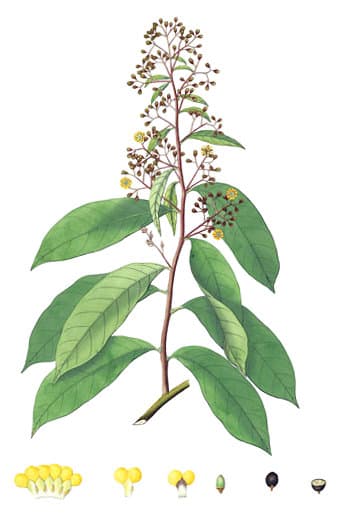
Jacquemontia cataractae
NameJacquemontia cataractae
Scientific NameJacquemontia cataractae
Common NamesWaterfall Clustervine, Skyblue Clustervine
Plant FamilyConvolvulaceae
Natural HabitatNative to tropical and subtropical regions, Jacquemontia cataractae thrives in disturbed areas such as roadsides, forest edges, and riverbanks. It prefers moist, well-drained soils and can tolerate full sun to partial shade, often found scrambling over other vegetation.
Parts Usedwhole_plant,leaf,flower
Medicinal Actionsantioxidant, anti-inflammatory
Traditional UsesSpecific traditional medicinal uses for *Jacquemontia cataractae* are not widely documented in ethnobotanical literature. However, other species within the *Jacquemontia* genus and the broader Convolvulaceae family have been traditionally employed for various purposes, including addressing inflammation and skin conditions, or as general tonics, suggesting potential antioxidant and anti-inflammatory properties.
Active Constituentsflavonoids, phenolic compounds, alkaloids
Preparation Methodsinfusion, decoction, powder
Contraindications & WarningsDue to limited specific research on *Jacquemontia cataractae*, comprehensive contraindications are not well-established. As with many plants in the Convolvulaceae family, caution is advised, especially regarding potential purgative effects or interactions with medications, though these are not specifically documented for this species.
Cultivation NotesJacquemontia cataractae is relatively easy to cultivate in warm, humid climates. It prefers well-drained soil and can grow in full sun to partial shade. It is often grown as an ornamental vine and can be propagated from seeds or cuttings. In some regions, it may be considered a vigorous grower or even weedy.
Raritycommon
Description
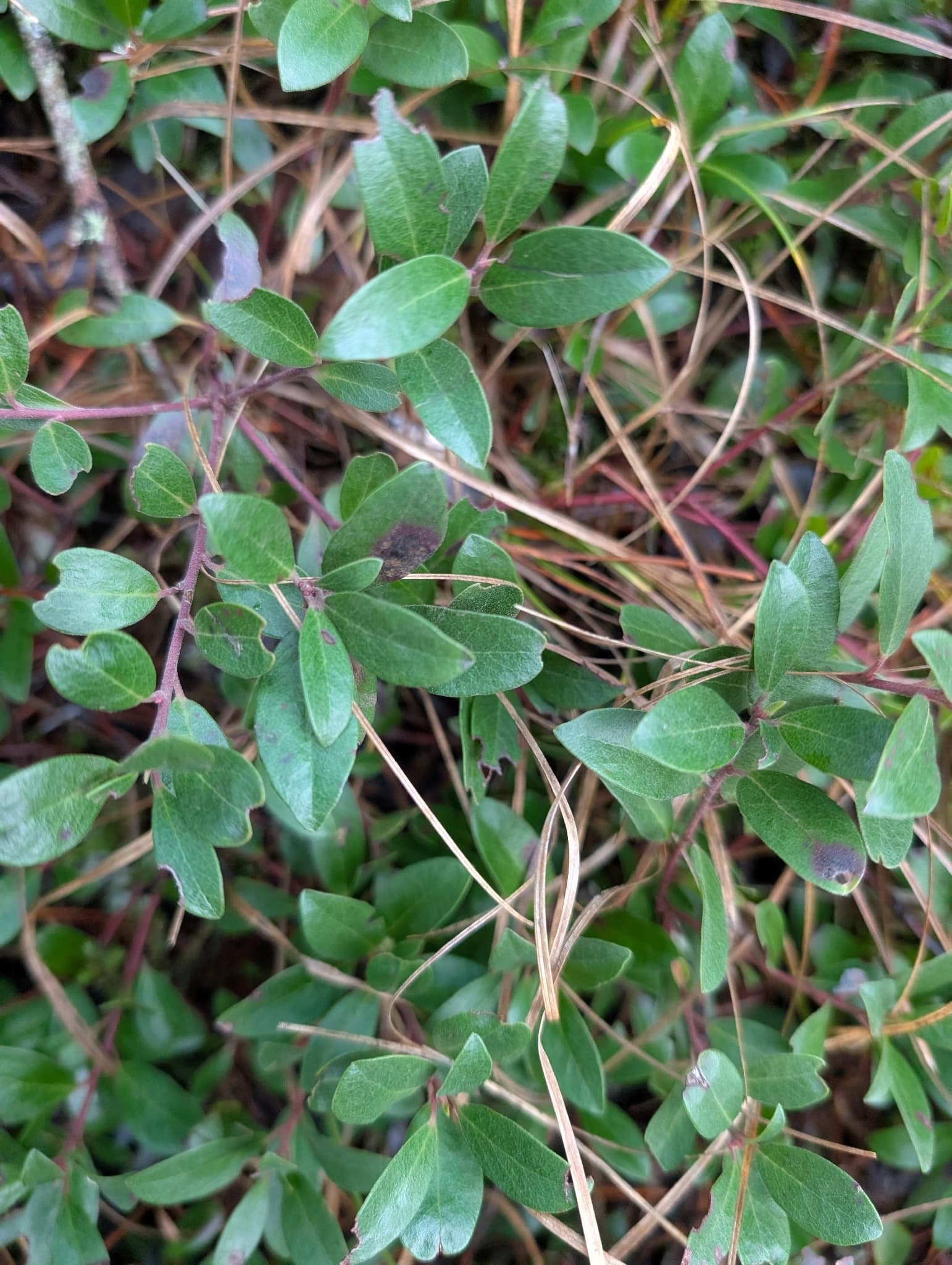
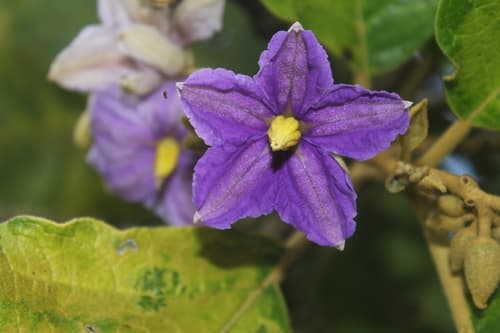
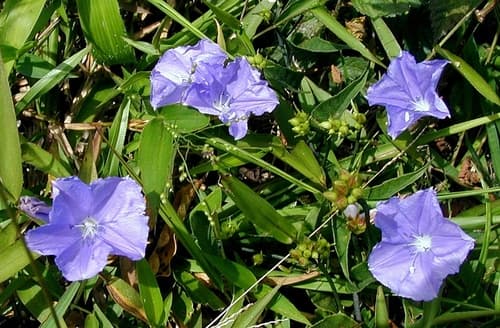
Jacquemontia cataractae is a perennial herbaceous vine characterized by its slender stems and ovate to lanceolate leaves. It produces striking funnel-shaped flowers, typically a vibrant blue to purplish-blue, often borne in axillary cymes. The plant is known for its climbing habit and attractive blooms.