Jaborosa magellanica
NameJaborosa magellanica
Scientific NameJaborosa magellanica
Common NamesMagellanic Jaborosa, Campanilla de la Puna
Plant FamilySolanaceae
Natural HabitatNative to southern South America (Patagonia, including parts of Chile and Argentina), found in sandy, rocky, and disturbed soils, coastal areas, steppes, and alpine environments.
Parts Usedroot
Medicinal Actionsanalgesic, sedative, anti-inflammatory
Traditional UsesTraditionally, the root of Jaborosa species, including J. magellanica, has been used externally as an analgesic for pain relief, particularly for toothaches. Internal use is rare and highly cautioned due to the plant's toxicity, sometimes employed in very small doses for sedative effects.
Active Constituentssteroidal lactones (jaborosalactones), alkaloids
Preparation Methodspoultice, tincture
Contraindications & WarningsDue to high toxicity, internal use is generally not recommended. Contraindicated in pregnancy, lactation, children, and individuals with liver or kidney conditions. May interact with central nervous system depressants.
Cultivation NotesPrefers well-drained, sandy or rocky soil and full sun to partial shade. It is hardy and tolerant of cold temperatures, typical of its Patagonian origin. Propagation can be achieved through seeds or by dividing its rhizomatous rootstock.
Rarityuncommon
Description
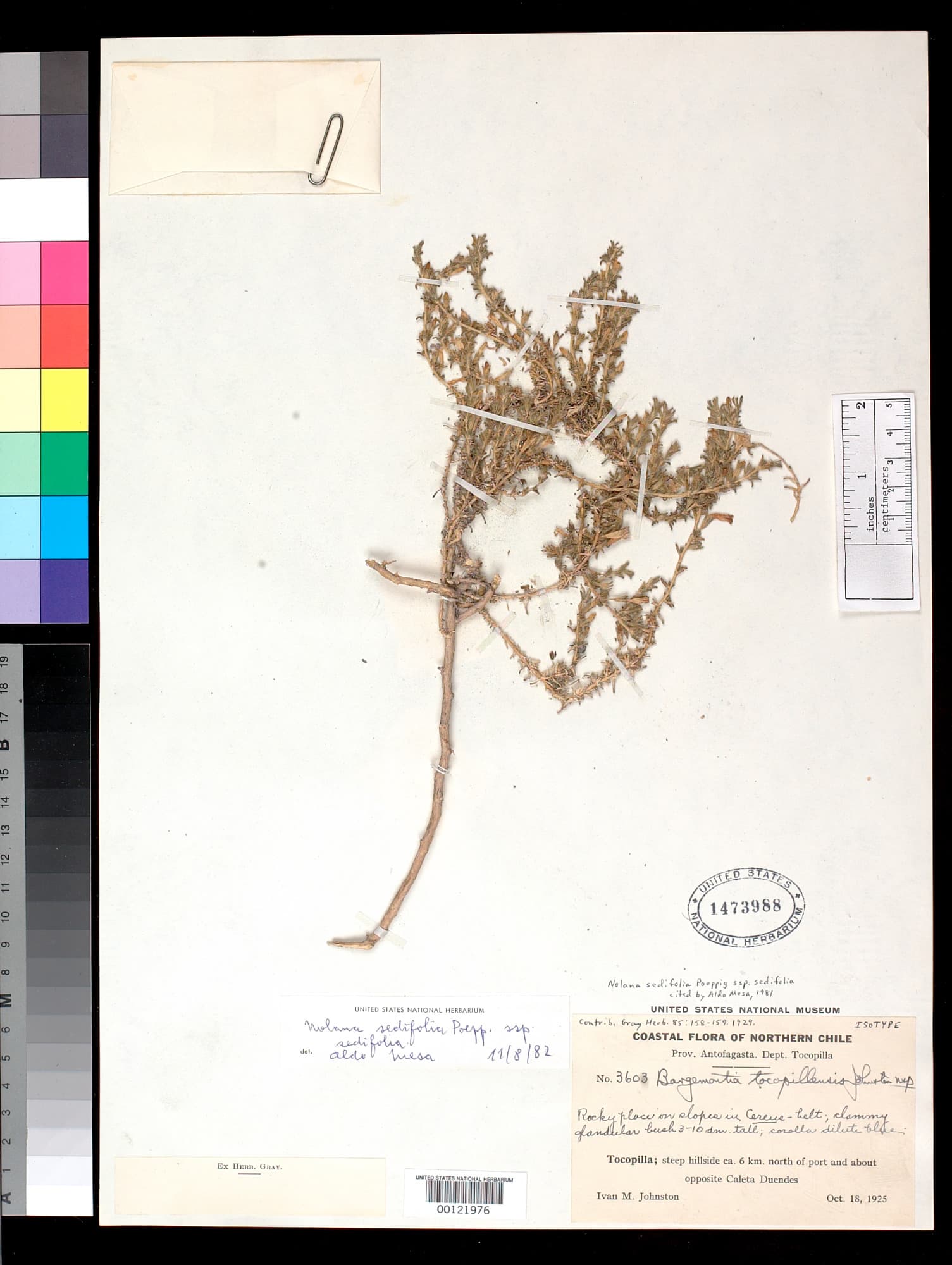
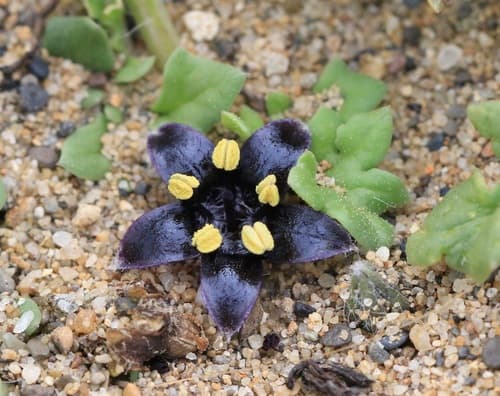
A low-growing perennial herb native to Patagonia, featuring distinctive dark purple, star-shaped flowers with prominent yellow anthers. Its leaves are typically lobed or undulate, and it often spreads via rhizomes in sandy or rocky soils.